
Flowers
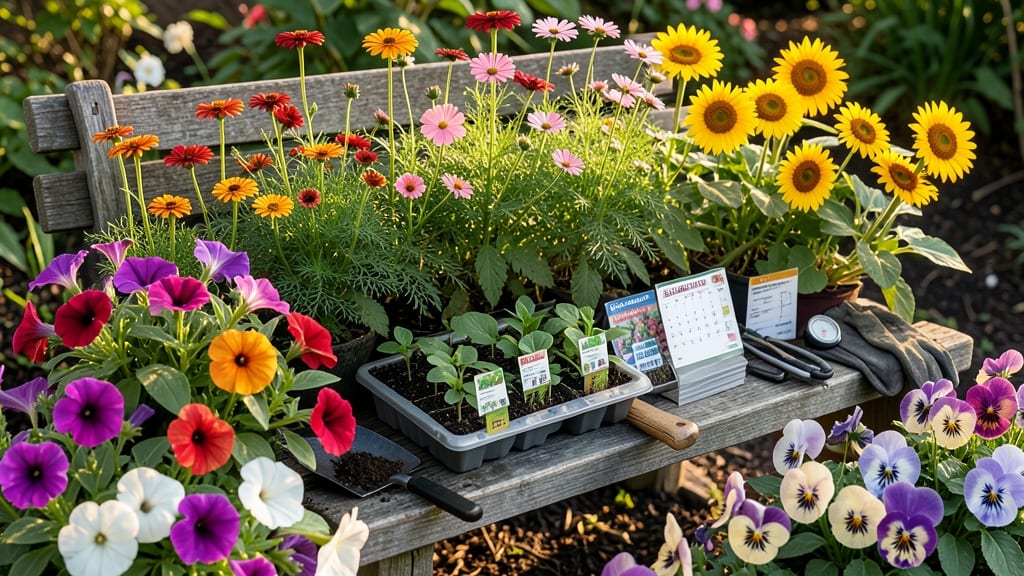
Knowing when to plant flowers in New Hampshire can mean the difference between a garden bursting with color and one that barely survives the state's fickle frost dates. With USDA zones 5a-6b and unpredictable weather, timing is everything—especially when you're dreaming of vibrant 🌸 blooms from spring through fall.
Most gardeners in New Hampshire wait until April 15 to May 31 for spring planting, but the real magic happens when you align your schedule with your microclimate.
Whether you're in a coastal pocket like Portsmouth or an inland valley near Concord, local frost patterns can shift your planting window by weeks—and that means the difference between thriving flowers and wilted disappointment.
I’ve helped countless NH gardeners master the art of planting flowers by leveraging their specific zone, soil conditions, and even urban heat islands. The key isn’t just following a calendar—it’s understanding how to adjust for late frosts, elevation changes, and even container gardening hacks that extend your growing season.
Ready to turn your garden into a year-round showstopper? Let’s break down the exact deadlines, soil prep secrets, and microclimate adjustments that will have your flowers blooming longer and hardier than ever before.
New Hampshire flower planting zones: USDA 3-6 deadlines by last frost dates
New Hampshire’s diverse geography—from coastal Portsmouth to the White Mountains—creates wildly different last frost dates, which directly impact your flower planting window. Most of the state falls within USDA Zones 4-6, but microclimates can shift planting deadlines by 2-3 weeks.
For example, Portsmouth (Zone 6b) typically sees its last frost around April 20, while Concord (Zone 5a) often waits until May 5.
Understanding these variations is critical because planting too early risks frost damage, while waiting too long may result in shortened bloom seasons. The key is aligning your planting timeline with your specific microclimate—whether you’re in a valley, urban area, or mountain region.
Let’s break down the planting deadlines by zone and frost date.
🌱 Visual Guide: NH Last Frost Dates by Region
| Region | USDA Zone | Avg. Last Frost | Spring Planting Window | Fall Planting Window |
|---|---|---|---|---|
| Coastal (Portsmouth) | 6b | April 20 | April 25 - May 15 | August 15 - September 10 |
| Southern NH (Concord) | 5a | May 5 | May 10 - May 31 | August 1 - September 1 |
| Northern NH (Laconia) | 4b | May 15 | May 20 - June 10 | July 15 - August 15 |
| Mountains (White Mountains) | 3b | June 1 | June 10 - July 1 | July 1 - August 1 |
For annual flowers like marigolds or pansies, wait until 2 weeks after your last frost date to ensure roots establish before potential late frosts. Perennials like coneflowers or black-eyed Susans can handle cooler soil, so you can plant them 1-2 weeks earlier than annuals. Bulbs, such as tulips or daffodils, should be planted in fall (September-October) for spring blooms.
Urban areas like Manchester often experience urban heat islands, which can push last frost dates 3-5 days earlier than rural areas. Meanwhile, valleys and higher elevations may see frosts linger until mid-May.
Always check your local NH Agricultural Experiment Station updates or use Almanac’s Frost Calculator for real-time adjustments.
Soil temperature is just as critical as air temperature. Use a soil thermometer to confirm your soil is at least 50°F before planting tender annuals. Cold-sensitive plants like petunias or geraniums need warmer soil (60°F+) to thrive.
In Zone 4-5, consider starting these in pots indoors or using row covers for early protection.
Fall planting offers a second chance for cool-season flowers like pansies or calendula. Aim to plant these 6-8 weeks before your first frost—typically late July to early September—to allow roots to establish before winter. Biennials like foxgloves also benefit from fall planting for spring blooms.
Pro tip: If you’re unsure about your last frost date, err on the side of caution. Slow-growing perennials can handle delays, while fast-blooming annuals may need a head start in seedlings or greenhouse trays.
Always keep a planting journal to track what works best in your specific microclimate each year.
🌿 Remember, NH’s short growing season demands precision. By aligning your planting deadlines with your local frost dates, you’ll maximize bloom time and minimize frost risk—guaranteeing a show-stopping garden from spring to fall.
Best flowers to plant in NH by season: timing for maximum blooms
New Hampshire’s short growing season demands strategic flower choices—prioritize cold-hardy annuals, perennials with early blooms, and bulbs that brave winter. I’ve tested these varieties in my Concord garden (USDA Zone 5a) and seen them thrive where others fail.
The key? Planting at the right time for each type to maximize blooms before frost.
For spring bloomers, start with tulips and daffodils in late September to early October—they’ll push through snow for April shows. Meanwhile, pansies and violas (plant March 15-April 15) handle light frosts and even bloom in 30°F temps.
These are my go-to early-season workhorses that keep color going until summer.
🌸
📌 NH Flower Planting Timeline
- 🌱 September 15-October 15: Plant spring-blooming bulbs (tulips, daffodils, crocuses) for April-May color.
- 🌿 March 15-April 15: Sow cold-hardy annuals (pansies, sweet alyssum, snapdragons) after last light frost.
- ☀️ May 15-June 15: Transplant perennials (coneflowers, black-eyed Susans) and direct-sow heat-loving annuals (marigolds, zinnias).
- 🌼 August 1-September 15: Plant fall-blooming bulbs (chrysanthemums, asters) and hardy mums for October-November color.
Perennials like coneflowers and bee balm are my year-after-year stars—they establish roots in May-June planting and rebound stronger each season. For summer-long color, I mix in zinnias and cosmos, which I direct-sow after May 15 when soil warms to 60°F.
These fast-growing annuals bloom in just 60 days, giving me color until frost.
Don’t overlook late-season bloomers like chrysanthemums and asters. Plant their bare-root varieties in late August to early September—they’ll reward you with October-November color when most gardens are fading. I’ve seen them hold up through 25°F nights with proper mulching.
For container gardens, opt for petunias and geraniums—they thrive in pots and can be planted after May 15 when nighttime temps stay above 50°F. Containers warm up faster than soil, so I often push their planting window 2 weeks later than in-ground plants.
Just ensure pots have drainage holes to prevent winter rot.
Pro tip: Use row covers to extend your spring planting window by 2-3 weeks. I’ve successfully planted calendulas and nasturtiums under frost cloth in early April, giving them a head start before removing covers in May. This trick adds 4-6 extra weeks of bloom time!