
Flowers
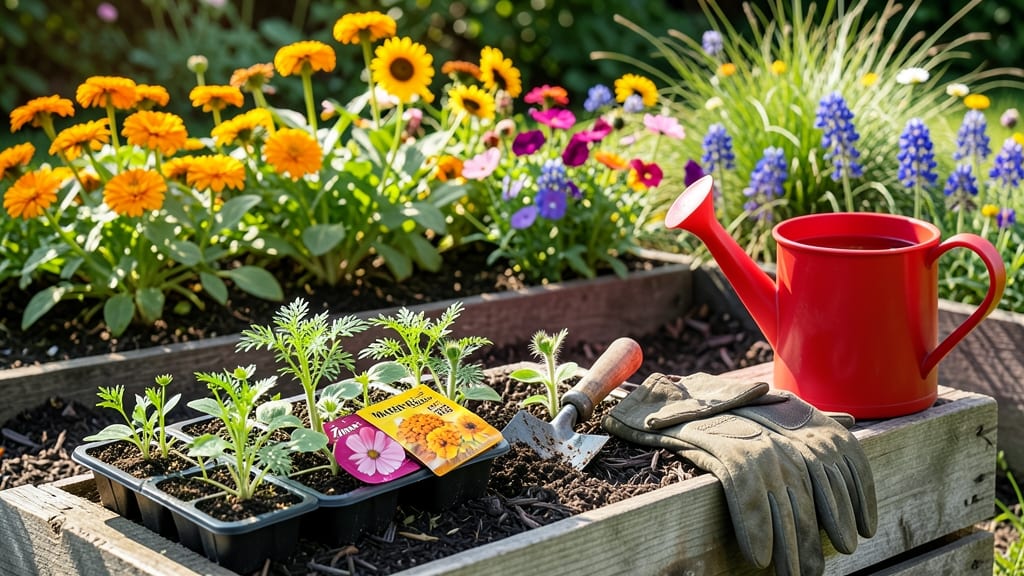
Timing when to plant flowers in San Antonio just right means the difference between a garden bursting with color and one struggling through unpredictable spring weather. The city’s unique microclimates—from urban heat islands to cooler hill country elevations—can throw off even the most well-intentioned planting schedules.
If you’ve ever watched your delicate blooms wilt under early spring frost or fade in summer’s scorching heat, you’re not alone. The key to zero-frost success lies in understanding San Antonio’s frost dates and how they shift across neighborhoods.
Plant too early, and a late cold snap could ruin your progress; too late, and you miss the ideal window for robust root growth.
This isn’t just about memorizing a calendar—it’s about reading your local conditions. Whether you’re prepping for fall planting in September or gearing up for spring’s first annuals, the right timing ensures your garden thrives year-round.
Let’s break down exactly when to plant for vibrant, long-lasting blooms that beat the heat and outlast the chill.
From drought-resistant natives to classic annuals, I’ll show you which flowers to trust in each season—and how to adjust for your specific corner of the city. Ready to transform your garden into a year-round showstopper?
San Antonio’s frost-free planting zones & microclimate adjustments
San Antonio’s USDA Zone 8b climate might seem straightforward, but its microclimates create dramatic differences in frost risk and heat exposure. The city spans from urban heat islands (like downtown) to hill country elevations (near Helotes) and river valley lowlands (along the San Antonio River).
These variations can shift your last frost date by up to 3 weeks—meaning what’s safe in one neighborhood could get fried in another.
For most of San Antonio, the average last frost date falls around February 15, but hill country areas can experience frost as late as March 10. Conversely, urban areas like Stone Oak or Pearland often warm up faster, allowing earlier plantings.
First frosts typically arrive December 15, but low-lying areas might see frost earlier. Understanding these zones helps you avoid frost damage while maximizing bloom time.
Here’s how to adjust your planting timeline based on San Antonio’s three key microclimates:
| Microclimate | Last Frost Date | First Frost Date | Best Planting Window | Heatwave Risk |
|---|---|---|---|---|
| Urban Heat Islands (Downtown, Medical District) | February 10–15 | December 10–15 | February 20–March 15 (spring); September 1–15 (fall) | High (100°F+ by May) |
| Hill Country (Helotes, Leon Valley) | March 1–10 | December 5–10 | March 15–April 1 (spring); September 15–October 1 (fall) | Moderate (cooler nights) |
| River Valleys (San Antonio River, Pearl) | February 20–25 | December 20–25 | March 1–10 (spring); September 10–20 (fall) | Low (frost pockets) |
If you’re unsure which microclimate you’re in, check your elevation and proximity to water bodies. Areas above 800 feet (like the hill country) stay cooler longer, while low-lying spots near the river can hold frost longer.
For annual flowers, wait until soil temps reach 60°F—use a soil thermometer to confirm. For perennials, fall planting (September–October) gives roots time to establish before winter.
Another critical factor is heatwave timing. San Antonio’s summers bring 100°F+ temperatures by May, which can scorch heat-sensitive flowers like petunias or impatiens.
To beat the heat, plant heat-tolerant varieties (e.g., lantana, salvia, gaillardia) in April–May and focus on shade-loving blooms (like coleus or fuchsia) for afternoon sun protection.
For container gardening, microclimates matter even more. Pots in full sun (like a south-facing patio) dry out faster and heat up quicker. Use light-colored containers and self-watering pots to retain moisture. In partial shade (e.g., east-facing balconies), opt for moisture-loving flowers like begonias or caladiums.
Pro tip: Monitor local Almanac frost predictions and adjust your schedule. For example, if the forecast calls for a late-March frost, delay planting tender annuals like marigolds or zinnias until after April 1.
For native Texas wildflowers (e.g., bluebonnets, black-eyed Susans), sow seeds in fall (September–October) for spring blooms—they thrive in San Antonio’s drought conditions.
Finally, soil preparation makes a huge difference. San Antonio’s clay-heavy soil drains poorly, leading to root rot. Amend with compost or sand to improve drainage, and mulch heavily to retain moisture during summer’s brutal heat.
A 2–3 inch mulch layer can keep soil 10°F cooler and reduce watering needs by 30%.
By aligning your planting with San Antonio’s microclimates and heat patterns, you’ll avoid common pitfalls like frost damage or heat stress—ensuring
Best flowers to plant by month: a San Antonio-specific guide
San Antonio’s long, hot summers and mild winters create a unique planting window for flowers. While most gardeners focus on spring, fall planting is often the smarter strategy—avoiding summer heat stress while giving roots time to establish before winter. Here’s my month-by-month breakdown for zero-frost success with the best-performing blooms.
For annuals, aim for February-March plantings after the last frost (typically January 15), but fall is ideal for perennials. Native Texas flowers like bluebonnets and blackfoot daisies thrive when sown in September-October, while heat-lovers such as salvia and gaillardia can handle late spring starts.
🌱 San Antonio Flower Planting Calendar
- 📅 September-October: Plant perennials (e.g., coneflowers, black-eyed Susans) and cool-season annuals (e.g., pansies, snapdragons). Soil temps: 60-75°F.
- 📅 November: Sow winter-hardy annuals (e.g., calendulas, stock) and spring-blooming bulbs (e.g., tulips, daffodils). Protect with mulch.
- 📅 February-March: Start heat-tolerant annuals (e.g., marigolds, zinnias) after last frost. Monitor for late frosts in hill country.
- 📅 April-May: Plant summer bloomers (e.g., sunflowers, lantana) once soil reaches 70°F+. Use shade cloth for seedlings.
- 📅 June-July: Avoid planting new flowers—focus on succession planting (e.g., cosmos, portulaca) or container gardening for heat-sensitive varieties.
💡 Pro Tip: Adjust for microclimates—elevated areas (like Stone Oak) frost earlier than river valleys (e.g., Pearl District).
My top drought-tolerant picks for San Antonio include Mexican feather grass (for texture), autumn sage (prolonged blooms), and turk’s cap (native pollinator magnet). These thrive with minimal water once established, making them perfect for water-wise gardens. For shade gardens, try impatiens or fuchsias in partial shade spots.
If you’re starting from seed, begin indoors in January for cool-season crops like snapdragons or outdoors in May for summer annuals. Harden off seedlings gradually to avoid transplant shock—a common issue in San Antonio’s dry, windy springs.
Always check local nursery availability, as some varieties (like bluebonnets) sell out fast in September.
For container gardening, prioritize compact varieties like petunias or bacopa, which thrive in 1-gallon pots with well-draining soil. Water containers daily in summer—they dry out 3x faster than in-ground plants. Add slow-release fertilizer at planting to reduce maintenance.
Remember: Deadheading spent blooms extends flowering season, while mulching (2-3 inches) retains moisture and regulates soil temps. With this month-by-month strategy, your San Antonio garden will burst with color—spring through fall—without the frost worries. 🌻