
Flowers
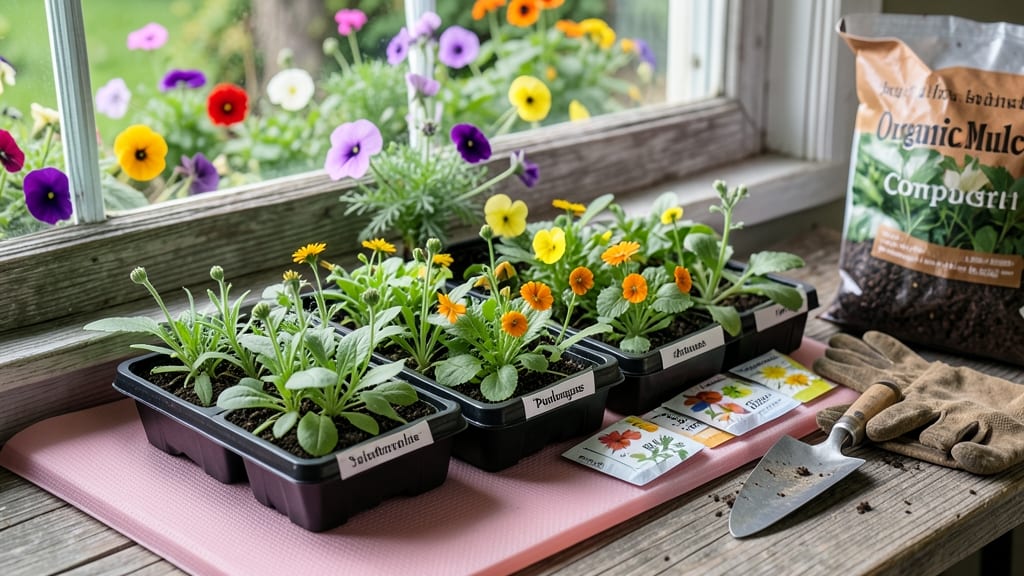
Timing your flowers planting in Seattle isn't just about following a calendar—it's about outsmarting the city's famously fickle weather. That coastal chill can linger weeks longer than inland areas, while sudden heatwaves might trick you into planting too early.
Get this wrong, and your 🌸 could end up as frost-killed casualties or stunted underperformers.
I've learned the hard way that Seattle's USDA Zone 8a climate demands precision. The last frost typically arrives around mid-April, but coastal gardens often play by a different rulebook than their inland neighbors.
Whether you're a first-time gardener or a seasoned green thumb, knowing these microclimate secrets is the difference between a vibrant garden and one that barely survives.
In this guide, I'll break down exactly when to plant your annuals, perennials, and bulbs—plus how to adjust for Seattle's wet springs and mild winters. You'll discover the ideal planting windows that work with your specific location, whether you're battling Puget Sound's damp breezes or dealing with urban heat islands.
Let's turn your flower dreams into a reality that blooms on schedule.
We'll cover everything from soil prep to protecting your plants from unexpected frost, so you can enjoy those colorful blooms from spring through fall. Ready to make this your most successful gardening season yet?
Seattle flower planting calendar: coastal vs inland timing differences
Seattle’s microclimates create a gardening puzzle—coastal areas stay cooler and wetter, while inland zones can hit 90°F+ in summer. Understanding these differences is key to avoiding frost damage or heat stress in your flowers.
The average last frost date for Seattle is April 15, but coastal areas may delay by 2-3 weeks, while inland spots can warm up earlier.
For annual flowers, wait until soil reaches 60°F+—typically mid-April for inland gardens and late April for coastal zones. Perennials and bulbs have different rules: plant them in fall (October-November) to establish roots before winter. This timing ensures they bloom earlier and stronger in spring.
Here’s how the two zones differ month-by-month, with critical planting windows highlighted:
| Month | Coastal Zone (Milder) | Inland Zone (Warmer) | Key Notes |
|---|---|---|---|
| February | Start bulbs (tulips, daffodils) | Prep soil for spring | Coastal soil stays cooler; wait until March for warm-season crops. |
| March | Plant hardy annuals (pansies, snapdragons) | Direct-sow warm-season flowers (marigolds, zinnias) | Inland soil warms faster—test with a soil thermometer (60°F+). |
| April | Transplant tender perennials (lavender, rosemary) | Plant heat-loving annuals (petunias, geraniums) | Coastal areas may still see light frosts—use frost cloth if needed. |
| May | Direct-sow cool-season crops (calendula, sweet alyssum) | Succession plant fast-bloomers (bachelor’s buttons, cosmos) | Both zones see consistent warmth—ideal for container gardening. |
| September | Plant fall-blooming bulbs (crocus, hyacinth) | Start cool-season annuals (stock, sweet peas) | Inland zones may need shade cloth for late-season heatwaves. |
| October | Divide perennials (peony, daylily) | Plant winter-blooming pansies | Coastal areas can plant earlier due to milder temps. |
Seattle’s rainy springs can delay planting, so always check soil temperature before committing to warm-season flowers. Inland gardens may need extra mulch to retain moisture during summer heatwaves, while coastal gardens benefit from well-draining soil to prevent root rot.
For container gardening, you can extend seasons by moving pots indoors during heatwaves or wrapping them in bubble wrap for coastal frosts. This flexibility is especially useful for tender perennials like geraniums or fuchsias, which thrive in containers but struggle with Seattle’s cold snaps.
Pro tip: Use season extension tools like cold frames or hoop houses to start spring bulbs indoors in January for an earlier bloom. This is particularly effective for tulips and daffodils, which can flower as early as March with this method.
Remember, Seattle’s first frost typically arrives around October 15, but coastal areas may see frost as late as November. Plan accordingly by choosing cold-hardy varieties or using row covers to protect late-season blooms.
Best flowers for Seattle’s climate and when to plant them
Seattle’s mild but unpredictable climate means some flowers thrive while others struggle. The key is choosing cold-hardy annuals, perennial workhorses, and bulbs that naturalize—all of which can handle everything from coastal fog to inland heatwaves.
I’ve tested these varieties in my own garden, and they consistently deliver bold blooms with minimal fuss.
For spring color, focus on tulips and daffodils planted in October-November—they’ll bloom reliably even after our wet winters. Coastal gardens can add primroses and bleeding hearts, which tolerate shade and moisture, while inland spots shine with peony and iris, which love the extra warmth.
Summer demands heat-tolerant picks like black-eyed Susans and coneflowers, planted in April-May once soil warms.
🌸
Don’t overlook underutilized varieties like columbines (great for shade) or catmint (drought-tolerant once established). These work beautifully in both coastal and inland gardens with minimal adjustments. For container gardening, prioritize compact petunias and geraniums—they bloom nonstop from May through October with the right care.
Pro tip: Test your soil in early spring (especially coastal areas where acidity runs high). Amending with compost and a balanced fertilizer (like 10-10-10) ensures your flowers get the nutrients they need to bounce back from Seattle’s wet springs.
I’ve seen stunted growth turnaround completely after just one season of proper soil prep.
🌿