
Flowers
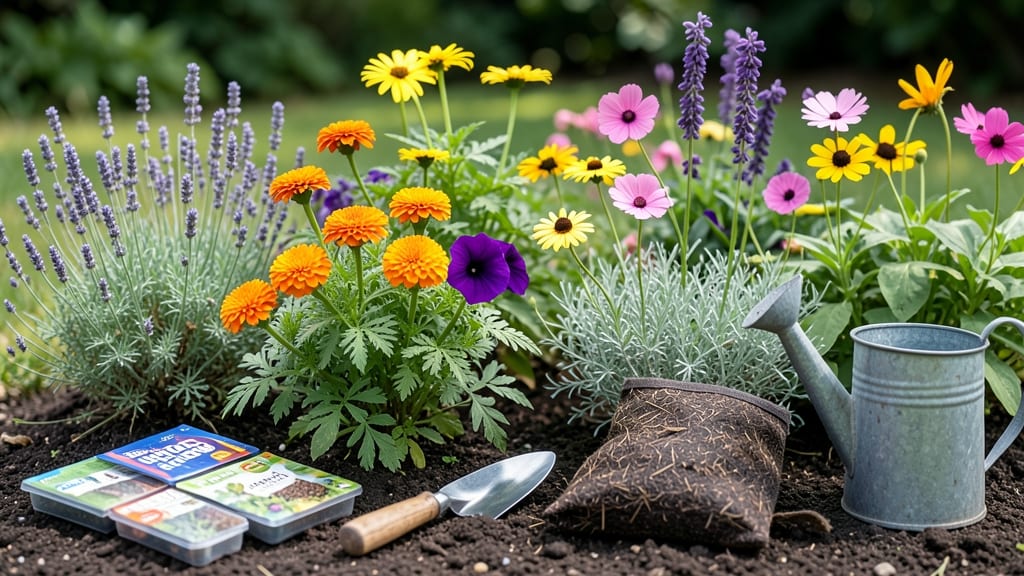
Knowing when to plant flowers in Zone 8 can mean the difference between a vibrant garden and a sad, frost-nipped disappointment.
The right timing isn’t just about avoiding those pesky late frosts—it’s about unlocking a full season of blooms that thrive in your microclimate, whether you’re near the coast or tucked inland.
For gardeners in Zone 8a-8b, the ideal planting windows stretch from early spring to fall, but the devil’s in the details. Plant too early, and a surprise frost could wipe out your 🌸 flowers before they even take root.
Too late, and summer heat might stress out delicate varieties before they get a chance to shine.
That’s why I’ve broken down the best months to plant, from frost-free deadlines to heat-tolerant varieties that push your garden’s limits.
Whether you’re a seasoned gardener or just starting, these insights will help you time your plantings like a pro—so you can enjoy blooms from spring through fall without the guesswork.
Let’s dive into the exact schedule, microclimate tweaks, and flower picks that’ll keep your garden bursting with color all season long. Your perfect bloom timeline starts here.

Zone 8 flower planting calendar by month: frost-free deadlines
Timing your Zone 8 flower plantings means avoiding late-winter frosts (typically after February 15) while maximizing summer blooms. Most annuals and tender perennials thrive when planted 4-6 weeks before your last frost date, while heat-loving varieties can wait until May or June.
Your Zone 8a-8b climate offers a 240-day frost-free window, but microclimates vary dramatically. Coastal areas like San Diego may see January plantings, while inland cities like Atlanta should wait until March for safety. Always check your local frost dates—they can shift yearly.
Here’s my month-by-month planting guide for Zone 8 flowers, organized by frost sensitivity and bloom season:
For coastal Zone 8 gardeners, you can push January-February plantings of hardy annuals like pansies or snapdragons, thanks to milder winters. Inland areas should delay until March to avoid unpredictable cold snaps that can damage tender foliage.
My top tip: Use succession planting for annuals like zinnias—sow new seeds every 2-3 weeks from April to July to ensure continuous blooms. This works especially well in Zone 8’s long growing season.
If you’re planting perennials, focus on early spring (March) or fall (September-October) to give roots time to establish before summer heat or winter dormancy. For example, lavender planted in fall often blooms more vigorously the next year.
Always monitor your local weather forecasts—even in Zone 8, late-spring frosts can occur, especially in higher-elevation microclimates. A frost cloth or row cover can buy you an extra 2-3 weeks of planting time in March
Microclimate adjustments: how urban heat islands and coastal breezes shift planting times
Your Zone 8 garden might share the same USDA classification, but its planting calendar could differ dramatically based on microclimates. Urban heat islands—where pavement and buildings trap warmth—can push last frost dates 2-3 weeks later than rural areas.
Meanwhile, coastal regions often experience milder winters, allowing earlier spring plantings. Understanding these shifts helps you avoid frost damage while maximizing bloom potential.
For example, in Los Angeles, coastal breezes create a milder microclimate where you can plant 🌸 petunias as early as February 1st without frost risk. But just 30 miles inland, the same plants might need to wait until March 15th due to colder nighttime temperatures.
These local variations mean your neighbors’ planting schedule isn’t necessarily yours.
Here’s how to adjust your timing based on common Zone 8 microclimates:
| Microclimate Type | Last Frost Date Shift | Adjust Planting Window | Best Flowers for Area |
|---|---|---|---|
| Urban Heat Island | 2-3 weeks later | Start annuals 2 weeks earlier | Marigolds, Zinnias, Snapdragons |
| Coastal/Marine | 1-2 weeks earlier | Plant bulbs 1 week ahead | Tulips, Dahlias, Lilies |
| Inland/Rural | 1-2 weeks earlier | Delay heat-sensitive plants | Cosmos, Sunflowers, Black-Eyed Susans |
| High Elevation (>1,000 ft) | 3+ weeks earlier | Use row covers for early starts | Pansies, Violas, Calendulas |
Wind exposure also plays a critical role. Coastal gardens benefit from moderate breezes that reduce heat stress, while inland areas may experience hotter, still air that demands extra watering.
For instance, Atlanta’s urban gardens often see 5°F hotter daytime temps than nearby forests, requiring shade-loving varieties like impatiens or coleus in exposed beds.
To fine-tune your schedule, monitor local weather patterns for 3-5 years. Note when frost occurs, how long heatwaves last, and which plants thrive despite your microclimate’s quirks. Tools like plant heat zone maps (AHS) can help, but nothing beats firsthand observations.
With these adjustments, you’ll turn your garden’s unique conditions into a competitive advantage for year-round blooms.
Pro tip: Use mulch in urban areas to moderate soil temps, and group heat-tolerant flowers near pavement edges where ground stays warmer. Your microclimate isn’t a limitation—it’s your secret weapon for a showstopping garden. 🌿