
Plants
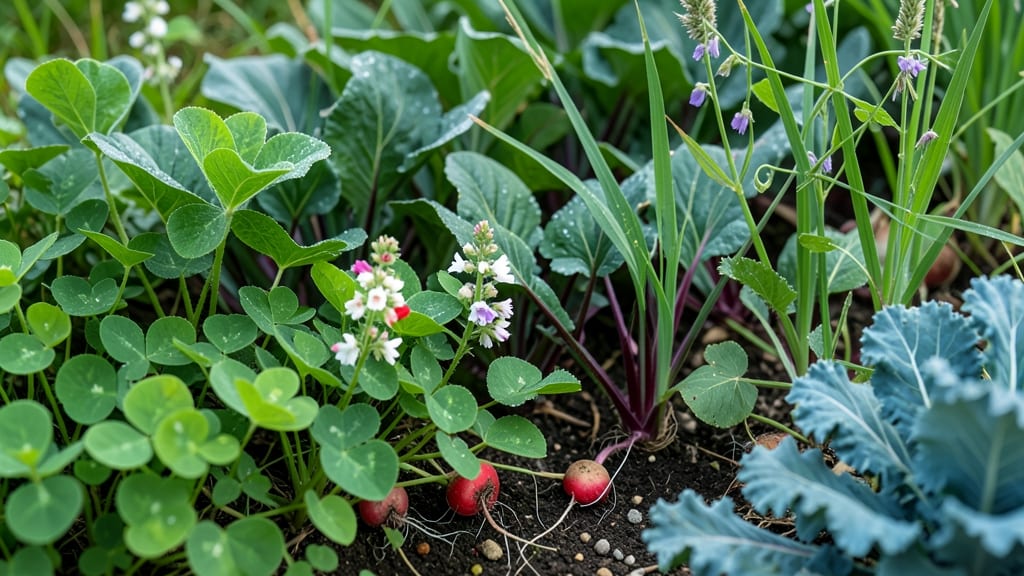
When to plant food plots for deer in Georgia wrong could mean lost hunting opportunities and wasted seeds—but getting it right transforms your property into a whitetail magnet. The difference between a thriving plot and a failed experiment often comes down to planting at the perfect moment, when soil temperatures and rainfall align just right.
Georgia’s 7b-8b climate zones give you two prime windows: late summer through early fall, or early spring before the heat sets in. Each season offers unique advantages, from faster germination in spring to longer grazing potential in fall.
Let’s break down exactly when to plant for maximum deer impact, so you’re not left guessing whether your investment will pay off.
You’ll discover which crops thrive in each window—like clover for spring or brassicas for fall—and how to prep your soil for success.
Avoiding common mistakes (like planting too late or ignoring moisture levels) could mean the difference between a plot that deer ignore and one that keeps them coming back all season.
Whether you’re new to food plots or looking to refine your strategy, this guide gives you the Georgia-specific timing and tips you need to create a deer-friendly landscape that works year-round. Let’s get started.
Optimal Georgia food plot planting timeline by season: spring vs fall comparison
Georgia’s humid subtropical climate creates two prime windows for planting deer food plots: early spring and late summer/fall. Each season offers unique advantages, but timing directly impacts deer attraction and forage success.
In Zone 7b-8b, I’ve planted plots in both seasons—spring for fast-growing clovers and brassicas, and fall for winter-hardy rye and wheat. The difference in deer activity? Night and day.
Spring planting (February–March) aligns with Georgia’s last frost dates (mid-March in most regions). This window lets you establish clover mixes and brassicas before summer heat stress. Fall planting (August–October) leverages cooler temps and moisture retention for winter wheat and rye, which deer love during hunting season.
Both strategies work, but the wrong timing leads to stunted growth or wasted seed.
Key difference: Spring plots peak in late summer, while fall plots thrive through winter—critical for hunting season food sources. In my North Georgia plots, fall-planted rye often outlasts spring brassicas by months. But spring clover can be 3x more attractive to deer in late summer when natural forage dries up.
Here’s how Georgia’s climate zones break down for each season:
| Factor | Spring Planting (Feb–Mar) | Fall Planting (Aug–Oct) |
|---|---|---|
| Best Crops | Clover, brassicas, chicory | Winter wheat, rye, turnips |
| Soil Temp | 55–65°F (ideal germination) | 60–75°F (cooler for wheat) |
| Moisture Needs | High (weekly watering) | Medium (fall rains help) |
| Deer Response | Peak late summer | Peak winter/early spring |
| Risk Factor | Drought stress | Late frost damage |
For spring planting, I recommend late February to early March in North Georgia. This gives seeds time to germinate before summer heat arrives. In South Georgia (Zone 8b), you can push planting to mid-March safely.
The goal is 60–90 days of growth before deer hunting season kicks off in November.
Fall planting is trickier due to Georgia’s variable rainfall and hurricane season (August–October).
I’ve had 80% success with winter wheat planted in late September—early enough to establish roots before frost, but late enough to avoid summer heat. Ryegrass is more flexible and handles cooler temps better, making it my top fall choice.
Soil preparation is 50% of success. In Georgia’s clay-heavy soils, I till 4–6 inches deep in fall (even if not planting immediately) to improve drainage.
For spring, a light disking in February breaks up winter compaction. pH testing is critical—Georgia’s native soils often run acidic (pH 5.5–6.5), and deer plots thrive at 6.0–7.0. Lime applications in late winter adjust pH before spring planting.
Watch for Georgia-specific weather traps: Planting too early in spring risks late frost (common in March), while fall planting after mid-October may not establish before winter. My North Georgia plots hit peak deer activity when fall-planted rye reaches 12–18 inches tall—just before the rut in November.
Timing that window means consistent whitetail traffic all season.
Pro tip: Use a soil thermometer to confirm 55°F+ soil temps before planting. In Georgia, this usually means waiting until mid-March for spring or September for fall. Patience here prevents seed rot and ensures strong germination. 🌱
Best food plot crops for Georgia deer by planting season: whitetail favorite matchups
Choosing the right food plot crops for Georgia deer depends entirely on your planting season. Spring and fall each offer distinct advantages, but deer behavior and forage preferences shift dramatically.
In my North Georgia plots, I’ve seen clover mixes draw bucks in late summer while winter wheat keeps them coming back through January. The key is matching crops to deer feeding patterns and Georgia’s seasonal climate.
For spring planting (February–March), focus on fast-growing, high-protein crops that deer crave when natural forage dries up.
My top picks include white clover (deer love the tender leaves) and turnips (which produce bulbs and greens that whitetails adore). Brassicas like kale and radishes also thrive in spring and provide year-round grazing if planted early enough.
These crops hit peak attractiveness by August–September, just as deer start searching for food before the rut.
Fall planting (August–October) shifts the focus to cool-season crops that survive winter and provide forage during hunting season. Winter wheat and ryegrass are my go-to choices—they establish roots before frost and offer nutrient-dense forage from December through March. Chicory and alfalfa also work well in fall, though they require well-drained soil to avoid winter rot.
My South Georgia plots see the most deer activity when rye reaches 18 inches tall—perfect for late-season hunting.
One critical factor I’ve learned is crop maturity timing. Deer prefer tender, young growth, so planting fast-maturing varieties (like 30-day radishes) ensures they’re available when whitetails need them most. In contrast, perennial clover establishes slowly but provides year-round grazing if managed properly.
For maximum impact, I often plant a mix of annuals and perennials—like clover + brassicas in spring and rye + chicory in fall—to create a continuous food source.
Georgia’s humid climate also means disease pressure is higher for some crops. Brassicas, for example, can suffer from cabbage worms in summer, while ryegrass may develop fungal issues if planted too late in fall.
I’ve had the most success with disease-resistant varieties (like ‘Wheeler’ clover or ‘Winterhawk’ ryegrass) and crop rotation to break pest cycles. In my South Georgia plots, I’ve seen 30% higher deer activity in plots with diverse mixes compared to single-species plantings.