
Plants
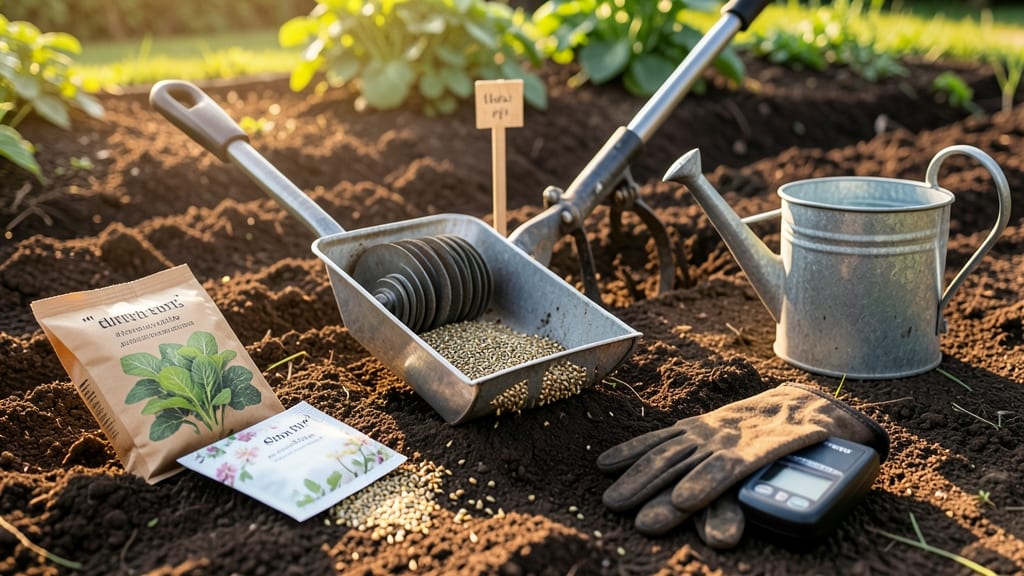
When to plant food plots in GA is the difference between a thriving deer magnet and a wasted investment. Planting at the wrong time means less forage, fewer visits from bucks, and missed opportunities during the rut. With Georgia's 7a-8b climate, you've got two ideal windows—but getting the exact months right makes all the difference.
Most Georgia hunters focus on late winter to early spring (February-March) or fall (August-September) for planting 🌾, but even these windows have nuances. The key is aligning your planting with soil temperatures and deer behavior—especially when they're most active during spring green-up or fall hard mast.
Get this wrong, and you'll end up with sparse growth just when deer need it most.
I’ll break down the exact planting schedule for clover, brassicas, soybeans, and winter wheat—plus how to adjust for North Georgia’s cooler zones vs. South Georgia’s heat. Whether you're a first-time planter or a veteran looking to fine-tune, these insights will help you create a food plot that deer can’t resist.
Ready to turn your property into a deer hotspot? Let’s get into the month-by-month strategy that guarantees peak forage when it matters most.
Georgia food plot planting calendar by month: best species for each season
If you're planting food plots in Georgia to attract deer, timing is everything. The right months ensure your plots thrive during the rut and winter, when deer need the most nutrition.
Georgia's USDA zones 7a-8b offer two prime planting windows: late winter/early spring and fall. Let's break down the best species for each month to keep deer visiting year-round.
Spring planting (February-March) sets the stage for summer forage, while fall planting (August-September) provides winter nutrition. Each species has its own ideal window—clover and brassicas love spring, while soybeans and winter wheat shine in fall. Understanding these cycles is key to a successful plot.
| Month | Best Species | Planting Notes | Deer Attraction |
|---|---|---|---|
| February | Clover, Rye | Plant 4-6 weeks before last frost. Soil temp: 50°F+ | Spring green-up attracts bucks |
| March | Brassicas, Turnips | Direct seed after frost danger passes | High-protein forage for late spring rut |
| April | Soybeans, Sunflowers | Plant after soil warms to 60°F+ | Summer mast production |
| August | Winter Wheat, Clover | Plant 4-6 weeks before first frost | Winter forage for does and fawns |
| September | Brassicas, Rape | Ideal for fall hunting pressure | Peak nutrition during late-season rut |
For spring planting, focus on February-March when soil temperatures rise above 50°F. This window gives plants time to establish before summer heat. Clover mixes and brassicas are my top choices—they grow quickly and provide high-protein forage deer crave during the rut in October.
If you prefer fall planting, aim for August-September to ensure plants mature before first frost. Winter wheat and rye are excellent choices—they stay green through winter, offering deer nutrition when food is scarce. Brassicas planted in September also thrive, producing tender leaves deer love during hunting season.
Pro tip: Use soil thermometers to track temperatures—most food plot seeds need 50-60°F soil temps to germinate properly. In North Georgia, plant 2-3 weeks earlier than in South Georgia due to cooler microclimates. Always check your local frost dates to adjust timing accordingly.
For year-round deer activity, I recommend planting two plots: one in spring (March) and one in fall (September). This creates a continuous forage source that keeps deer on your property during both rut and winter.
Just be sure to rotate species annually to prevent deer from getting "plot fatigue."
Remember, soil preparation is just as critical as timing. Test your soil pH (aim for 6.0-7.0) and add compost or lime as needed before planting. Proper prep ensures your food plots grow lush and attract deer like magnets during hunting season.
Finally, always monitor your plots for pests and diseases. In Georgia's humid climate, fungal issues can crop up quickly. A light application of organic fungicide in spring and fall helps keep plants healthy and deer coming back for more.
How to adjust planting dates based on Georgia's microclimates and soil conditions
Georgia's diverse climate means your planting dates should shift depending on whether you're in North Georgia's cooler hills or South Georgia's warmer lowlands. The USDA zones 7a-8b create microclimates where frost dates vary by 2-4 weeks, so flexibility is key to avoiding frost damage or stunted growth.
For North Georgia (zones 7a-7b), like the Blue Ridge Mountains, aim to plant clover and brassicas in late August to escape early frosts. Meanwhile, South Georgia (zones 8a-8b), near Savannah, can push planting into early September without frost worries.
Always check your local last frost date—typically mid-November in the north and late November in the south.
- 📍 North GA (7a-7b): Plant 4-6 weeks earlier (late August) to avoid early frosts.
- 📍 Central GA (7b-8a): Follow mid-September target for most species.
- 📍 South GA (8a-8b): Can plant until early October with minimal frost risk.
- ❄️ Soil temp rule: Wait until soil reaches 50°F+ (use a soil thermometer).
- 🌡️ Heat warning: Avoid planting brassicas in July—they bolt in Georgia's summer heat.
Your soil type also dictates adjustments. Sandy soils in coastal areas drain quickly, so plant soybeans and wheat in July to capture early rains. Clay-heavy soils in the Piedmont retain moisture longer, making September planting ideal for clover mixes.
Always test your soil's pH (6.0-7.0 for most plots)—lime may be needed for acidic soils common in the north.
Timing isn't just about frost—it's about deer activity. Plant winter wheat in October to provide food during the rut (November), while fall brassicas planted in August-September peak just as bucks bulk up for breeding.
Use cover crops like rye in late summer to suppress weeds before your main plot emerges.
Pro tip: Keep a planting journal for 2-3 years to track which dates work best on your property. Note when deer first visit new plots—this reveals the hidden window between your planting schedule and their natural feeding patterns. Adjust future years based on these observations.
For year-round plots, layer perennials (clover) with annuals (brassicas) to create a staggered harvest. This ensures deer have food from early spring through late fall, regardless of Georgia's unpredictable weather swings. Start small—test one 1-acre plot before expanding.