
Trees
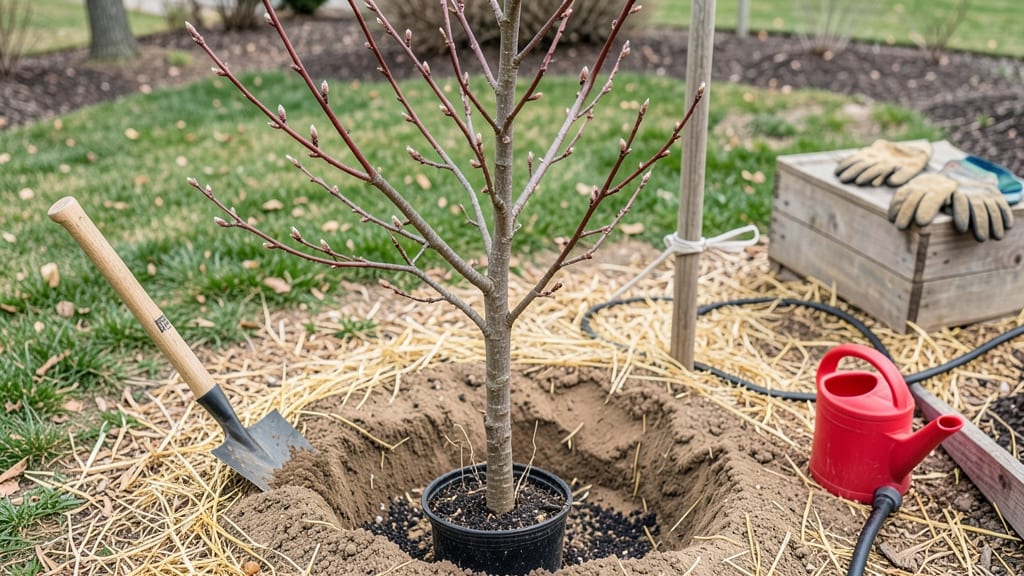
Timing is everything when it comes to planting fruit trees in Kansas—and getting it wrong could mean struggling with weak growth or even losing your 🍎 trees entirely.
The key to success lies in understanding your USDA Zone 6 climate, where frost dates and soil conditions play a crucial role in root development.
If you've ever wondered why some fruit trees thrive while others fail, the answer often starts with the planting window.
Kansas gardeners know that late winter to early spring offers the perfect balance of cool soil and emerging warmth, giving young roots the best chance to establish before summer heat arrives.
In this guide, I’ll break down exactly when to plant different fruit trees—whether you’re growing apples, peaches, or cherries—so you can avoid common mistakes and set your trees up for years of bountiful harvests. Let’s get those roots growing strong!
From preparing your soil to choosing the right varieties for your region, we’ll cover everything you need to know to plant with confidence. Ready to transform your backyard into a fruitful oasis?
Best planting months for fruit trees in Kansas (Zone 6 guide)
Kansas’s USDA Zone 6 climate creates a narrow window for planting fruit trees—too early and roots freeze, too late and summer heat stresses young plants. The ideal planting window is late winter to early spring (February–April), aligning with soil thaw and before buds break.
This timing ensures strong root establishment before summer’s heat arrives.
For most Kansas gardeners, March and early April are the sweet spots.
By then, soil temperatures rise above 40°F (4°C), roots can grow actively, and the threat of hard freezes has passed. Peaches and plums tolerate slightly earlier planting (as early as February), while apples and cherries prefer the March–April window.
Fall planting is possible but riskier in Kansas. If you choose September–October, roots must establish before the first frost (average Nov. 15).
Young trees planted too late may not harden off properly, leading to winter dieback. Southern Kansas (Zone 7a) has a slightly longer fall window than northern areas (Zone 5b).
Here’s how regional microclimates affect timing:
- Wichita & South-Central KS: Plant 2–3 weeks earlier (late Feb–early March) due to milder winters.
- Kansas City & Northeast KS: Wait until mid-to-late March for safer soil conditions.
- Western KS (High Plains): Avoid February planting—soil stays frozen longer.
| Fruit Tree Type | Best Planting Month | Soil Temp Requirement | Notes for Kansas |
|---|---|---|---|
| Apple | March–April | 45–50°F (7–10°C) | Needs cross-pollination; choose 2 varieties. |
| Peach | February–March | 40–45°F (4–7°C) | Susceptible to bacterial spot; plant in well-drained soil. |
| Cherry (Sweet) | March–April | 45–50°F (7–10°C) | Requires full sun; avoid low-lying areas. |
| Plum | February–March | 40–45°F (4–7°C) | Drought-tolerant; great for western KS. |
| Pear | March–April | 45–50°F (7–10°C) | Self-pollinating varieties available; resistant to fire blight. |
If you miss the spring window, bare-root trees can be planted in dormancy (November–early January), but Kansas’s unpredictable winters make this riskier. Always check for frost-free soil—stick a thermometer 6 inches deep for 3 consecutive days above 40°F (4°C) before planting.
For container-grown trees (potted), the window extends slightly into May, but prioritize watering and shade cloth to protect roots. These trees adapt better to late planting but still need 6+ hours of sun daily for fruit production.
Pro tip: Mulch heavily (3–4 inches of wood chips) after planting to insulate roots. In Kansas’s dry summers, mulch also retains moisture—critical for young trees. Avoid mulching too close to the trunk (2–3 inches away) to prevent rot.
Timing isn’t just about months—it’s about soil conditions. Test your soil’s drainage and pH (6.0–7.0 ideal) before planting. Kansas’s clay-heavy soils in eastern regions need amendments like compost or sand, while western areas may struggle with alkaline soil (add sulfur to lower pH).
Remember: Dormant trees (bare-root) are cheaper and establish faster than container-grown, but they must be planted immediately after purchase. If stored, keep roots moist and cool (but not frozen) until planting day. 🌱
Best planting months for fruit trees in Kansas (Zone 6 guide)
Kansas’s USDA Zone 6 climate creates a tight window for planting fruit trees—too early and frost can damage tender roots, too late and summer heat stresses young plants. The ideal planting months are March and April, when soil temperatures rise above 40°F (4°C) but before June’s scorching heat arrives.
This aligns with Kansas’s average last frost date of March 15, giving roots 6–8 weeks to establish before summer.
For stone fruits like peaches and cherries, aim for late March to early April—their shallow roots need cool soil to avoid drought stress. Apples and pears, with deeper root systems, tolerate slightly later planting (April) but benefit from fall planting (October–November) in milder microclimates like Kansas City.
Northern Kansas (e.g., Hays) may need to push planting to April due to later frosts.
| Fruit Type | Best Planting Window | Soil Temp Requirement | Kansas Region Notes |
|---|---|---|---|
| Apples/Pears | March–April or October–November | 40–50°F (4–10°C) | Fall planting works in southern KS (e.g., Wichita). |
| Peaches/Nectarines | Late March–Early April | 45–55°F (7–13°C) | Avoid northern KS planting after April 15. |
| Cherries | March–Early April | 40–50°F (4–10°C) | Sweet cherries need cool soil; avoid late planting. |
| Plums | March–May | 40–60°F (4–15°C) | Tolerates late spring if soil stays moist. |
Fall planting (October–November) is a smart alternative for dwarf varieties in southern Kansas, where first frosts arrive after November 1. However, avoid fall planting in northern regions—early frosts can damage bark.
If you miss spring, bare-root trees can be planted in dormancy (December–February), but they require extra mulch to protect roots from freeze-thaw cycles.
Pro tip: Check your local frost dates using the Kansas State University AgWeather tool—even a 10-day shift in frost timing can mean the difference between success and failure. For example, Wichita’s last frost is often March 1, while Topeka’s can be as late as March 20. Plant accordingly!
Remember, bare-root trees (sold without soil) must be planted immediately upon arrival—never let them dry out. Container-grown trees offer more flexibility but may need extra watering during Kansas’s hot, dry summers. Choose drought-tolerant varieties like ‘Honeycrisp’ apples or ‘Relenta’ peaches for better survival rates.
Timing isn’t just about months—it’s about soil temperature, moisture levels, and microclimates. Use a soil thermometer to confirm 40°F+ soil temps before planting, and water deeply 1–2 weeks beforehand to reduce transplant shock.
With the right timing, your fruit trees will reward you with decades of harvests—not just next year, but for years to come! 🍎🌱