
Trees
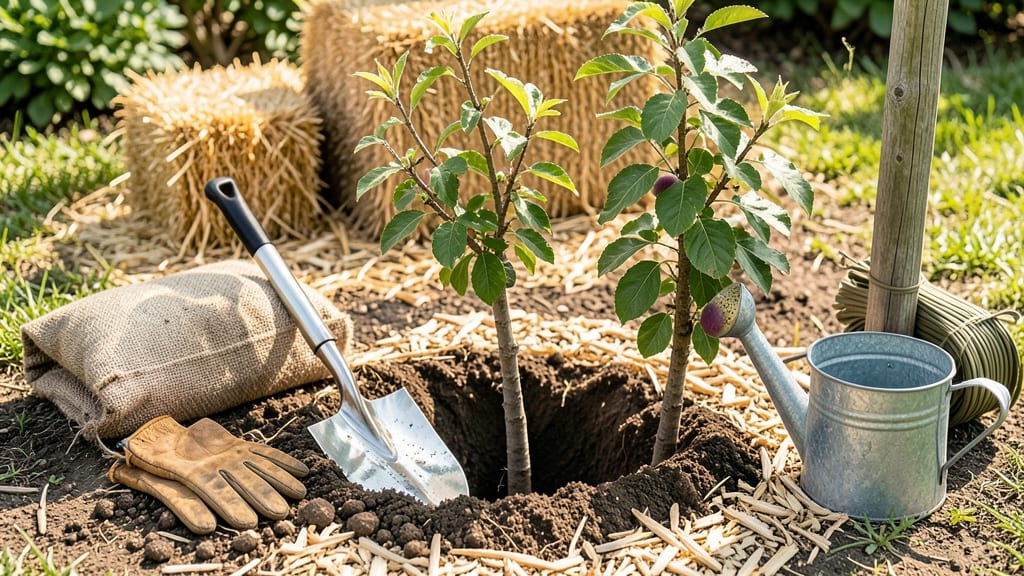
The best time to plant fruit trees in Texas isn't just about the calendar—it's about beating the heat and giving your 🍎 roots the perfect start.
Whether you're in North Texas or down in the Rio Grande Valley, planting at the wrong time can mean stunted growth or even tree death, so getting it right makes all the difference.
Most Texas gardeners swear by late winter to early spring (February-March) or fall (October-November) as the ideal windows. These periods offer cooler temperatures, allowing young roots to establish before the brutal summer heat or winter frosts set in.
But here's the catch: your exact timing depends on your USDA zone, from 8a in the Panhandle to 10b in South Texas.
In this guide, I'll break down exactly when to plant for strong root growth, which varieties thrive in each region, and how to prepare your soil for maximum success.
You'll learn why some fruit trees like peaches need to go in the ground earlier than citrus, and how to tell when your local microclimate is truly ready.
Ready to plant with confidence? Let's dive into the heat-zone map that'll help you pick the perfect moment for your orchard—so you can enjoy homegrown fruit for years to come.
Texas heat-Zone planting calendar: best months for fruit tree success
Texas stretches across USDA Hardiness Zones 8a to 10b, creating dramatic differences in frost dates and growing seasons. In North Texas (Zones 8a-8b), late frosts can linger until mid-March, while South Texas (Zones 9a-10b) may see frost as late as January—or not at all.
These variations mean your planting window depends entirely on your location and the type of fruit tree you're growing.
For most fruit trees in Texas, the optimal planting window is either late winter to early spring (February-March) or fall (October-November). This timing aligns with natural dormancy periods and soil temperature thresholds—critical for root establishment.
Planting outside these windows risks stressing young trees during extreme heat or cold, leading to poor growth or even death.
Here’s the key: Bare-root trees should go in the ground during dormancy, while container-grown trees offer more flexibility but still thrive best when planted in cooler months. Let’s break down the best months by Texas region to help you choose the perfect time for your orchard.
🌱 Texas Fruit Tree Planting Calendar by Region
| Region | USDA Zone | Best Planting Months | Soil Temp Threshold | Notes |
|---|---|---|---|---|
| North Texas | 8a-8b | Late Feb - Early Mar Oct - Early Nov |
50-60°F | Avoid planting after March 15 due to heat stress. |
| Central Texas | 8b-9a | Feb - Early Apr Sep - Oct |
55-65°F | Citrus thrives year-round; other trees prefer cooler months. |
| South Texas | 9a-10b | Jan - Feb Sep - Oct |
60-70°F | Tropical fruit trees (e.g., mangoes) can plant year-round. |
| East Texas | 8a-9a | Feb - Mar Oct - Nov |
50-60°F | Higher humidity; monitor for fungal diseases post-planting. |
Notice how North Texas has a narrower window due to late frosts, while South Texas offers more flexibility thanks to milder winters.
For example, peach trees in Zone 8a must be planted by March 15 to avoid heat stress, whereas citrus trees in Zone 10a can go in the ground almost anytime—except during extreme summer heat.
Soil temperature is another critical factor. Most fruit trees need soil temps between 50-65°F for root growth. Use a soil thermometer to check before planting—especially in Central and North Texas, where rapid temperature swings are common.
If soil is too cold, roots won’t establish; if too hot, young trees risk dehydration.
Pro tip: Fall planting (October-November) is ideal for bare-root trees because cooler temps and increased rainfall help roots establish before summer heat arrives. This is why 80% of Texas gardeners prefer fall for new orchards.
For container-grown trees, early spring (February-March) gives them time to acclimate before the growing season peaks.
Let’s say you’re in Austin (Zone 8b) and want to plant a fig tree. The best time would be late February to early March or October.
Fig trees are drought-tolerant but need 6+ hours of sun daily, so choose a location with afternoon shade to prevent heat stress during Texas summers.
For citrus trees in Houston (Zone 9a), you’ve got more leeway—plant in January-February or September-October. Citrus thrives in heat but hates frost, so avoid planting in December if late frosts are possible. If you’re unsure about frost dates, check your local AgriLife Extension office for updates.
Remember: Container-grown trees can be planted year-round in Texas, but they’ll grow best when planted in cooler
Critical factors that determine fruit tree planting timing in Texas
Texas's extreme climate—from 100°F summers to freezing winter nights—means planting fruit trees at the wrong time can spell disaster. The key factors I always check are soil temperature, local frost dates, and the specific needs of each fruit variety.
For example, peaches and apples need cooler soil to establish roots, while citrus thrives in warmer conditions.
Most Texas gardeners focus on two planting windows: late winter (February-March) and fall (October-November). The fall window is ideal because it gives roots time to grow before summer heat arrives. However, in South Texas (zones 9b-10b), you can plant citrus or figs year-round since frost is rare.
Soil temperature is non-negotiable—roots won’t establish properly if the ground is too hot or cold. Use a soil thermometer to aim for 60-70°F at planting time. In North Texas, this usually aligns with early spring or late fall, while South Texas can plant earlier due to milder winters.
Another critical factor is water availability. Newly planted trees need consistent moisture, but Texas summers can dry out soil quickly. I always recommend deep watering 2-3 times per week for the first month after planting, then tapering to weekly deep soaks once established.
⚠️ Common Mistakes to Avoid
- Planting during extreme heat – Roots can scorch before establishing (avoid May-September in most of Texas).
- Ignoring frost dates – Young trees aren’t frost-hardy; check your last frost date (e.g., Feb 15 in Dallas vs. Jan 1 in Brownsville).
- Skipping soil prep – Amend clay soil with compost to improve drainage; citrus hates soggy roots.
- Over-fertilizing at planting – Too much nitrogen encourages top growth over root development.
Tree variety also dictates timing. Peaches and plums need to be planted in dormancy (winter) to avoid fungal diseases, while citrus and figs can handle transplanting in spring or fall. Always check the USDA zone hardiness of your chosen variety—some, like loquats, thrive only in zones 8b-10a.
Finally, container-grown trees offer more flexibility than bare-root ones. You can plant them year-round in South Texas, but in North Texas, stick to fall or early spring.
Just be sure to water thoroughly after planting and mulch to retain moisture—this is especially critical in Zone 8a’s dry winters.
By paying attention to these factors, you’ll give your fruit trees the best possible start—whether you’re growing peaches in the Hill Country or oranges in the Rio Grande Valley. The right timing isn’t just about the calendar; it’s about understanding how your local climate interacts with your tree’s needs.