
Planting
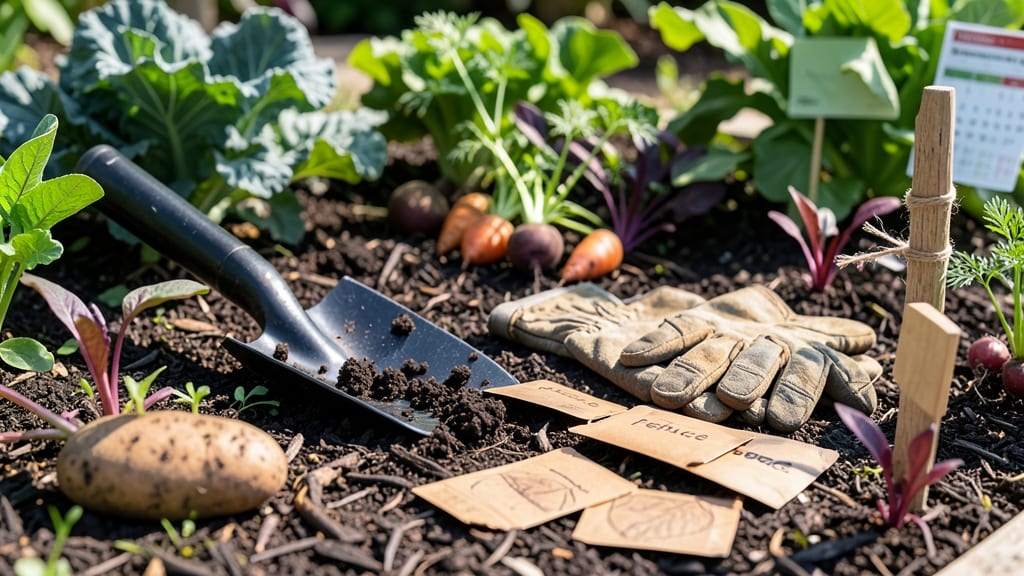
Timing your garden planting in Maine wrong can mean the difference between a bountiful harvest and wasted effort—especially when frost dates shift yearly. With USDA zones 5b-6b and unpredictable weather, knowing exactly when to plant your 🌱 General Garden Plants is the key to success.
Most gardeners in Maine wait until late April to mid-June, but that’s just the starting point. The real secret lies in understanding your specific zone’s last frost date—typically mid-May—and adjusting for coastal vs. inland microclimates.
Whether you’re sowing hardy peas in early spring or heat-loving tomatoes in summer, getting the timing right ensures your plants thrive.
In this guide, I’ll break down the perfect planting windows for every type of garden plant, from vegetables to flowers, so you can avoid common mistakes. You’ll also discover how to extend your growing season with simple tricks like row covers and succession planting—because in Maine, every extra week counts.
Ready to turn your garden dreams into reality? Let’s dive into the exact dates, soil prep tips, and frost-resistant picks that will make your 2024 growing season your most successful yet.
Maine’s frost dates by planting zone: exact timing for vegetables, flowers & herbs
Maine spans USDA Hardiness Zones 3-5, meaning frost dates vary dramatically from the coastal regions (Zone 5b) to the northern mountains (Zone 3b). Southern Maine typically sees its last frost around May 15, while northern areas can experience frost as late as June 10.
These differences mean your planting timeline must shift depending on where you live—even if you’re just 50 miles apart.
For cool-season crops like kale, peas, and spinach, you can start seeds 4-6 weeks before your last frost date. In southern Maine, that’s early April, while in northern zones, wait until late April to early May.
Warm-season plants like tomatoes and peppers, however, need soil temperatures above 50°F and should only go in after your final frost date—usually mid-to-late May.
Here’s the critical rule: Use a frost-date calculator (like the National Oceanic and Atmospheric Administration’s historical frost maps) to pinpoint your exact zone. Even a 10-day difference can mean the difference between a thriving garden and a failed crop.
For example, Portland’s last frost might be May 10, while Bangor’s could be May 25—planting tomatoes too early in Bangor risks frost damage.
If you’re planting perennials or shrubs, aim for early spring (April) when the soil is workable but before buds break. For annual flowers, like marigolds or zinnias, you can start seeds indoors 6-8 weeks before your last frost to get a head start.
But beware: coastal areas (like Bar Harbor) often have later frosts due to ocean influence, while inland zones (like Augusta) may warm up faster.
Pro tip: Monitor soil temperature with a soil thermometer—most seeds need 40-70°F to germinate. In Maine, this usually aligns with late May for warm-season crops, but if your soil is still cold, wait.
Patience here prevents seed rot and ensures strong starts. For example, tomato seeds won’t germinate well below 55°F, so don’t rush them into cold soil.
For fall planting, focus on cool-hardy crops like broccoli, carrots, and lettuce. These can handle light frosts and should be sown 8-10 weeks before your first frost date.
In southern Maine, that’s late July to early August, while northern zones can plant until mid-August. This strategy maximizes your harvest window and reduces waste.
One common mistake Maine gardeners make is overestimating their growing season. While you might love heat-loving plants like okra or sweet potatoes, they often struggle to mature in Maine’s 150-day frost-free window.
Instead, prioritize fast-maturing varieties (like ‘Early Girl’ tomatoes or ‘Sugar Anne’ peas) designed for short seasons. These can go from seed to harvest in 50-60 days, giving them time to thrive before frost.
Finally, keep a
How to adjust planting dates for Maine’s unpredictable weather patterns
Maine’s unpredictable weather can throw off even the most experienced gardeners. One year, you might enjoy a long, frost-free summer, while the next, a late spring frost could wipe out your early plantings.
The key to success? Flexible planning and knowing how to adapt your schedule to Mother Nature’s whims.
I’ve learned that succession planting and protective gear like row covers can extend your growing season by 3-4 weeks. For example, if you’re growing bush beans or lettuce, you can start them indoors in early April, then transplant them outdoors once the soil warms up—usually by late May.
This way, you’re not putting all your eggs in one basket.
Another trick? Pay attention to microclimates. Coastal areas like Bar Harbor often have warmer springs and later frosts than inland spots like Augusta. If you’re near the ocean, you might safely plant tomatoes a week earlier than someone 50 miles inland.
Use a local frost-date calculator (like the one from the Maine Agricultural Experiment Station) to fine-tune your timeline.
Don’t forget about cold frames or mini greenhouses—they’re game-changers for Maine gardeners. I’ve used a simple DIY cold frame to grow spinach and carrots through early winter, extending my harvest well into November. Even a $20 plastic hoop house can add critical weeks to your growing season.
If you’re worried about early heatwaves (yes, Maine gets those too!), opt for shade-loving varieties like Swiss chard or bush beans. These plants handle hotter temps better than heat-sensitive crops like cucumbers or squash.
And always keep an eye on your soil moisture—Maine’s dry spells can sneak up faster than you think.
Finally, keep a planting journal. Note the exact dates you sow seeds, transplant seedlings, and harvest crops. Over time, you’ll spot patterns in your local climate and refine your strategy.
Last year, my zucchini thrived when planted on June 15th, but my neighbor’s 10 miles away needed to wait until July 1st. Small differences like these make all the difference in Maine’s short growing season.
With these adjustments, you’ll turn Maine’s challenging climate into an advantage. Your garden will be resilient, productive, and ready for whatever weather comes your way—without the stress.