
Planting
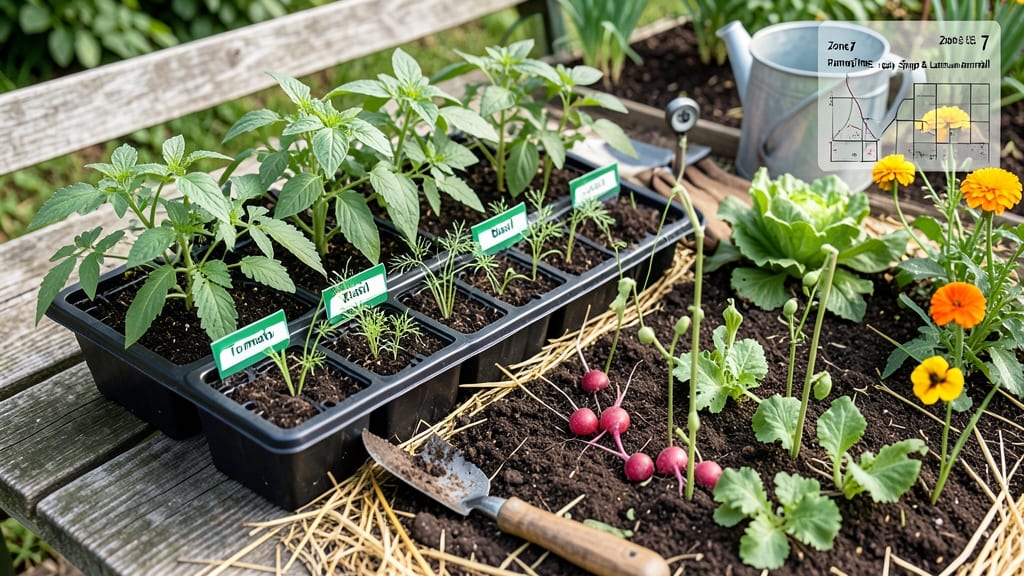
Knowing when to plant garden in Zone 7 can make the difference between a thriving harvest and wasted seeds—especially when you’re dealing with Zone 7’s tricky frost dates and microclimates. Whether you’re planting cool-season greens or heat-loving tomatoes, timing is everything to avoid bolting or stunted growth.
I’ve spent years testing planting schedules in Zone 7 (General), and the key isn’t just following a generic calendar—it’s adjusting for your specific location, whether you’re in a cooler microclimate or a high-altitude area. Let’s break down the exact weeks to plant for zero stress and maximum yield.
From early spring’s cool-season crops to late summer’s warm-season staples, we’ll cover everything you need to know. You’ll learn how to fine-tune planting times using soil temperature, frost dates, and even shade exposure—so you can avoid common mistakes like bolting lettuce or struggling tomatoes.
Ready to transform your garden into a productive oasis? Let’s dive into the perfect planting schedule for your Zone 7 garden, tailored to your unique growing conditions. Your best harvest starts here!

Zone 7 planting calendar by microclimate: avoid bolting and frost risks
Zone 7 gardeners have a 180-220 frost-free days to work with, but timing matters more than you think. Planting cool-season crops too late or warm-season favorites too early can mean bitter greens or stunted tomatoes.
My microclimate-specific calendar breaks down the best weeks to plant based on your local conditions—whether you're in rural Virginia, urban Atlanta, or high-altitude Asheville.
First, know your last frost date: March 15 (Zone 7a) or March 1 (Zone 7b). Count backward for cool-season crops and forward for warm-season plants.
For example, spinach and peas thrive when planted 4-6 weeks before last frost, while tomatoes and peppers need 2-3 weeks after. But if you're in a cooler microclimate, adjust by 1-2 weeks later.
Here’s how to use this calendar: Match your location type (urban, rural, or high-altitude) to the planting windows below. For succession planting—like lettuce or beans—repeat plantings every 2-3 weeks for continuous harvests. Pro tip: Use row covers to extend early spring plantings by 3-4 weeks.
🌱
| Plant Type | Microclimate | Planting Window | Notes |
|---|---|---|---|
| Cool-Season Crops | Urban (e.g., Atlanta) | Feb 15 - Mar 15 | Spinach, kale, peas, broccoli |
| Cool-Season Crops | Rural (e.g., Virginia) | Feb 1 - Mar 10 | Soil warms faster; plant earlier |
| Cool-Season Crops | High-Altitude (e.g., Asheville) | Mar 1 - Mar 25 | Wait for soil to reach 40°F |
| Warm-Season Crops | Urban (e.g., Atlanta) | Apr 15 - May 1 | Tomatoes, peppers, beans, cucumbers |
| Warm-Season Crops | Rural (e.g., Virginia) | Apr 1 - Apr 15 | Soil warms 1-2 weeks earlier |
| Warm-Season Crops | High-Altitude (e.g., Asheville) | May 1 - May 15 | Wait for 60°F soil |
| Fall Planting | All Zone 7 | Aug 1 - Sep 15 | Kale, carrots, radishes, lettuce |
| Succession Planting | Urban/Rural | Every 2-3 weeks | Lettuce, beans, radishes |
For urban gardens, heat islands can push planting dates 1-2 weeks earlier than rural areas. If your garden is near pavement or buildings, monitor soil temperature—it can be 10°F warmer than surrounding soil.
In high-altitude areas, like Asheville, wait until soil reaches 60°F for warm-season crops, or you’ll risk blossom-end rot in tomatoes.
Don’t overlook fall planting! Zone 7’s mild winters allow for a second harvest of cool-season crops. Plant kale and carrots by September 15 for harvests through November. Use black plastic mulch to warm soil and extend the season by 2-3 weeks.
My top 3 microclimate adjustments:
- Urban areas: Plant warm-season crops 1 week earlier than rural zones.
- High-altitude: Delay warm-season starts until soil hits 60°F.
- Shady spots: Stick to partial-shade crops like lettuce or spinach
How to adjust planting dates for your local microclimate in Zone 7
Your Zone 7 garden might share the same general climate zone, but microclimates—like urban heat islands, high-altitude areas, or shaded spots—can shift your planting windows by weeks.
For example, a high-altitude Zone 7 location (like 3,000+ feet elevation) might have a 2-week later last frost than a valley below 1,000 feet.
To fine-tune your schedule, start by checking your local frost dates—not the USDA averages. Use tools like the National Oceanic and Atmospheric Administration (NOAA) frost maps or ask your local cooperative extension office for hyper-local data.
Even a 5-degree temperature difference can delay planting by 1-2 weeks for heat-sensitive crops like peppers.
Next, monitor soil temperature with a simple soil thermometer. Most warm-season crops (tomatoes, cucumbers) need soil at 60°F+ to germinate, while cool-season crops (spinach, peas) thrive in 40-50°F soil. If your soil runs cold, use black plastic mulch or row covers to warm it faster.
🌱 3 Key Adjustments for Your Microclimate
- Shift dates 1-2 weeks earlier if you’re in a cooler microclimate (e.g., near water, shaded areas).
- Delay planting by 1-2 weeks in urban heat islands or high-altitude zones where soil warms slower.
- Use row covers to extend spring planting by 3-4 weeks or fall planting by 2-3 weeks.
Don’t forget shade exposure. A north-facing garden might need earlier planting for sun-loving crops, while a south-facing bed can handle later starts. For example, tomatoes planted in May in a shaded spot may struggle, but the same variety in full sun could thrive until June 15.
For succession planting, stagger seeds every 2 weeks in spring and 3 weeks in fall. This ensures a steady harvest of lettuce, radishes, or beans without gaps. Use a planting calendar to track dates—mark your last frost date and count backward for cool crops or forward for warm ones.
Pro tip: If you’re unsure, start with fast-growing test crops like radishes or lettuce to gauge your microclimate’s readiness. Their quick growth gives you real-time feedback on soil and temperature conditions. Adjust future plantings based on their success—or failure!