
Plants
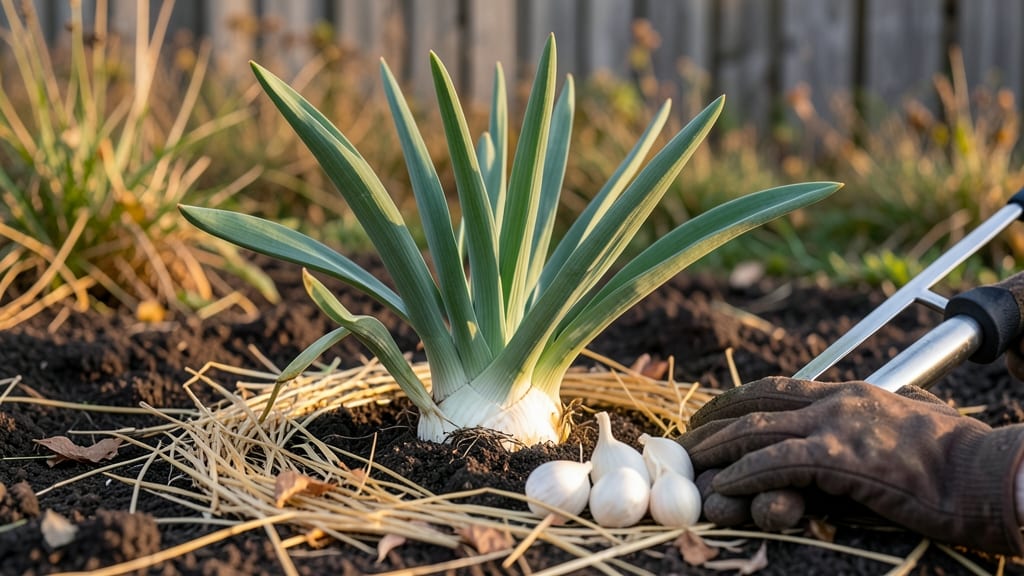
Planting garlic in Minnesota at the wrong time can mean the difference between a bountiful harvest and wasted cloves. The perfect window—mid-October to early November—lets 🧄 roots establish before winter, while soil temps hover just right (32-40°F) to prevent frost damage.
Skip this timing, and you risk "frost heave," where bulbs push up and rot.
I’ve learned the hard way that Minnesota’s 4a-5b zones demand patience and precision. Plant too early, and cloves rot; too late, and they won’t root before freeze. The key?
Watch for soil temps (not air temps) and aim for 4-6 weeks before ground freeze. Even experienced gardeners mess this up—here’s how to nail it.
Beyond dates, soil prep and mulch make or break your garlic. Straw mulch insulates roots, while a balanced fertilizer at planting jumpstarts growth. Spring planting? Possible, but risky—your bulbs won’t mature fully before summer heat. Let’s break down the exact steps to guarantee hardy, flavorful garlic next June.
Ready to avoid the common mistakes? You’ll walk away with a clear planting schedule, soil temp tricks, and mulching tips tailored to Minnesota’s climate. No more guesswork—just reliable, frost-proof garlic that thrives year after year.
Minnesota garlic planting calendar: best months by hardiness Zone
Minnesota’s cold winters and short growing seasons demand precise timing for garlic. The key is planting 4-6 weeks before the ground freezes, typically between mid-October and early November.
This window ensures cloves establish roots before winter dormancy—critical for hardnecks like ‘Music’ or ‘German White’ that thrive in MN’s USDA Zones 3-5.
For Zone 3 (northern MN), aim for late September to mid-October—soil temps should hover around 32-40°F. In Zone 4-5 (southern MN), October 1-15 is ideal. Planting too early risks frost heave (bulbs pushing out of soil), while late planting may not allow root development before freeze.
Here’s the golden rule: Test soil temps with a thermometer or DIY method (bury a jar of water—when it freezes, it’s time to plant). For softnecks (like ‘Silverskin’), you can push the window slightly later, but hardnecks need the earlier start.
Pro tip: Use local frost dates as your guide. Check the MN State Climatology Office for your county’s average first hard frost (usually mid-October in the north, late October in the south). Plant 6 weeks prior to that date.
🌱 Minnesota Garlic Planting Timeline
| Zone | Best Planting Window | Soil Temp Goal | Variety Recommendation |
|---|---|---|---|
| Zone 3 | Late September–Mid-October | 32–40°F | ‘Music’, ‘German White’ (hardneck) |
| Zone 4 | October 1–15 | 35–45°F | ‘Chesnok Red’, ‘Silverskin’ (softneck) |
| Zone 5 | October 10–25 | 38–48°F | ‘Creole’, ‘Artichoke’ (hardneck) |
⚠️ Note: Adjust 1–2 weeks earlier for northern MN or later for southern MN.
Spring planting is risky in MN but possible if you start cloves indoors in February and transplant after last frost (late May). However, bulbs won’t mature fully—save spring planting for green garlic or scape harvesting.
Don’t overlook soil prep: Garlic loves well-draining, sandy loam with a pH of 6.0–7.0. Work in 2–3 inches of compost before planting. Avoid fresh manure—it can burn cloves and attract pests like thrips.
For urban gardeners, raised beds are perfect—just ensure they’re insulated with straw mulch (4–6 inches) to protect roots during winter thaws. In containers, use a deep pot (12+ inches) and plant 3–4 cloves per container.
🌱 Remember: The earlier you plant, the larger your bulbs. But don’t rush—patience pays off in MN’s short summers.
Soil temperature tricks to avoid frost stress in Minnesota garlic
Minnesota’s unpredictable frost can turn garlic cloves into mushy disappointment if planted too late. The secret? Soil temperature—not air temperature—dictates success. Aim for 32–40°F soil at planting time, which typically aligns with mid-October to early November in most of MN.
Use a soil thermometer (or a DIY method like a frozen bottle buried for 30 minutes) to check before planting.
Cold soil slows root growth, making cloves vulnerable to frost heave (when freezing/thawing cycles push bulbs up). To prevent this, plant hardneck varieties (like 'Music' or 'German White') deeper—2 inches deep—than softnecks. This extra insulation helps roots establish before winter sets in.
If your soil stays below 32°F for more than 2 weeks post-planting, cloves may heave out of the ground. In northern MN (Zone 3), delay planting until late October or use extra mulch (4+ inches of straw).
Mulching is your best defense against frost stress. Straw outperforms leaves because it insulates better and resists compaction. Apply 4–6 inches after planting, then top up in December if snow cover is light.
Synthetic mulch (like bubble wrap) can work in urban gardens, but organic straw blends better into MN’s ecosystem.
Test your soil’s readiness with this trick: Bury a thermometer at 4-inch depth for 30 minutes. If it reads 35–40°F, it’s time to plant. In southern MN (Zone 5), you might squeeze in a September planting, but northern growers should wait—rushing leads to rot.
Pro tip: Plant on a cloudy day to reduce stress. Garlic cloves need 4–6 weeks to root before winter, so don’t wait until the first frost hits. Mark your calendar for October 15 as your target date—adjust 1–2 weeks earlier if your fall is warm.
Once planted, monitor soil temps weekly. If a hard freeze (below 20°F) is forecast, add extra mulch or cover beds with burlap. With these tricks, your garlic will overwinter like a pro, ready for a bountiful summer harvest. 🌱