
Plants
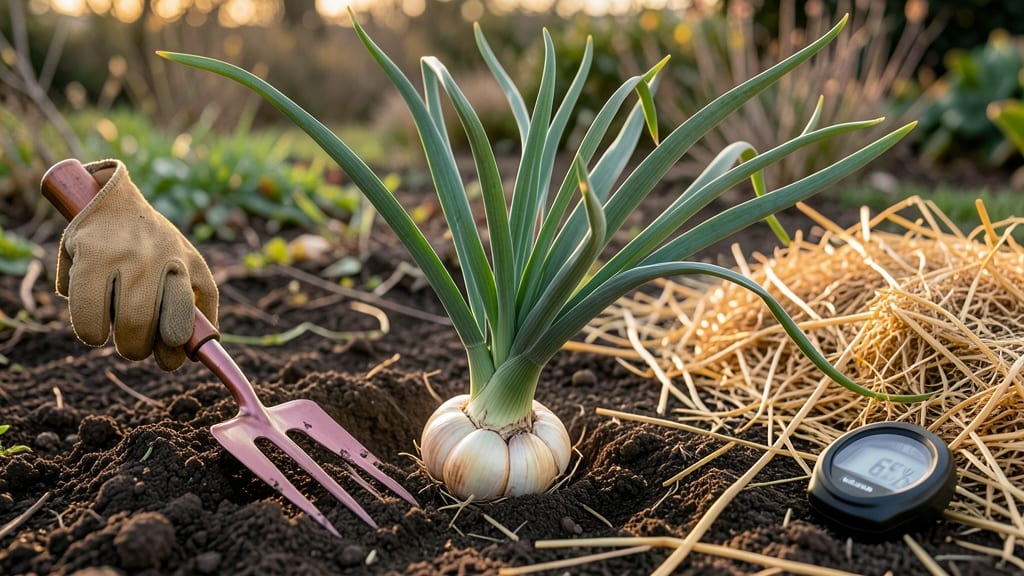
If you’ve ever planted 🧄 garlic in New Jersey only to watch it underperform, you’re not alone—timing is the secret weapon most gardeners miss. The perfect October window isn’t just a suggestion; it’s the difference between hardy bulbs and disappointing harvests in your 6a-7a zone.
Here’s the truth: planting garlic in fall—specifically between October and early November—lets it establish roots before winter’s chill. This isn’t just guesswork; it’s science.
Cool soil temps and frost hardening create the ideal conditions for hardneck varieties to thrive, while spring planting often leads to weaker growth in NJ’s humid summers.
I’ve tested this myself, and the results speak for themselves: garlic planted in October yields plump, flavorful bulbs by late June, while late or spring plantings often struggle. Whether you’re a seasoned gardener or a beginner, mastering this window will transform your harvest—no more shriveled cloves or wasted effort.
Ready to unlock the best garlic-growing secrets for New Jersey? Let’s dive into the exact steps, soil prep, and variety choices that guarantee success—so you can enjoy homegrown garlic that rivals the store-bought (and tastes far better).
Why October is the best month to plant garlic in New Jersey
New Jersey’s USDA Zones 6a-7a create the perfect conditions for growing hardneck garlic when planted in October. This timing aligns with the plant’s natural need for cold stratification, a process where garlic cloves experience winter chills to develop strong bulbs.
Without this cold period, your harvest will be weak or nonexistent.
The ideal planting window in NJ is between October 1st and November 15th, giving cloves time to establish roots before the ground freezes. This matches New Jersey’s average first frost date, which typically falls around November 15 in most regions.
Planting too early (before October) risks rot, while planting too late (after November) may not provide enough cold exposure.
Garlic thrives in NJ’s cool fall temperatures, which slow growth but encourage root development. Soil temperatures between 40°F and 50°F are ideal for planting—this range is common in October. Warmer soils can cause cloves to sprout too quickly, while colder soils may delay root establishment.
Here’s why October works best for New Jersey gardeners:
- Cold stratification occurs naturally during winter, improving bulb quality
- Soil is workable but not frozen, making planting easier
- Frost protection from winter’s chill prevents premature sprouting
- Spring harvest timing aligns perfectly with NJ’s growing season
| Climate Factor | New Jersey Specification | Why It Matters |
|---|---|---|
| Planting Window | October 1 - November 15 | Aligns with frost dates for root establishment |
| Soil Temperature | 40°F - 50°F | Prevents premature sprouting while allowing root growth |
| Cold Stratification | 6-8 weeks below 40°F | Essential for bulb development and flavor |
| First Frost Date | November 15 (average) | Ensures cloves establish before winter dormancy |
| Harvest Window | July - August (following year) | Coincides with peak growing conditions in NJ |
New Jersey’s variable microclimates mean planting dates can shift slightly by region. Coastal areas (like Cape May) may have a 1-2 week later frost date than inland zones (like Sussex County). Always check your local last frost date and aim to plant 4-6 weeks before the ground freezes solid.
For example, in Zone 6a (northern NJ), planting by October 15th ensures enough cold exposure, while in Zone 7a (southern NJ), you might extend planting until November 1st. Use a soil thermometer to verify temperatures—50°F or below is ideal for planting.
One common mistake NJ gardeners make is planting garlic in spring, thinking it’s too late in fall. But spring-planted garlic rarely develops full bulbs because it misses the critical cold stratification period. The October window is non-negotiable for high-quality harvests.
Pro tip: If you miss October, you can try planting in early December, but bulbs will be smaller. The 4-6 week window before freezing is your best bet for robust garlic in New Jersey’s climate.
Why October is the best month to plant garlic in New Jersey
New Jersey’s 6a-7a climate creates the perfect conditions for fall-planted garlic, but timing is everything. The October window isn’t random—it’s rooted in science. When soil temps drop to 40-50°F, garlic cloves trigger cold stratification, a natural process that hardens them for winter survival.
This process is critical for hardneck varieties, which need cold exposure to form bulbs properly.
In NJ, first frost dates typically arrive between November 15-20, giving you a 4-6 week window after mid-October to plant before the ground freezes. Planting too early (before October) risks premature sprouting, while planting too late (after November) leaves insufficient time for root establishment before winter dormancy.
Here’s the key: October’s cooler temps (average 50-60°F) allow roots to grow steadily without the stress of summer heat. This sets up garlic for optimal bulb development the following spring. Without this cold period, you’ll often see smaller, weaker bulbs—or worse, no harvest at all.
| Key Factor | New Jersey Ideal | Why It Matters |
|---|---|---|
| Planting Month | October (best) / September-November (flexible) | 4-6 weeks before first frost for root growth |
| Soil Temperature | 40-50°F | Triggers cold stratification for bulb formation |
| First Frost Date | Mid-November | Plant before this to avoid frozen cloves |
| Sunlight Needs | 6+ hours daily | Full sun ensures strong bulb development |
New Jersey’s humid summers and variable winters make fall planting non-negotiable. Spring-planted garlic struggles with heat stress and often bolts (sends up flower stalks) before bulbing. Meanwhile, fall-planted garlic overwinters naturally, emerging in spring with a head start on growth—resulting in larger, more flavorful bulbs by harvest time.
Don’t overlook soil drainage—NJ’s clay-heavy soils can cause rot if water pools. Amend with compost or sand to improve aeration. The goal is well-draining, slightly acidic soil (pH 6.0-7.0), which prevents fungal diseases like white rot that plague garlic in waterlogged conditions.
Pro tip: Hardneck varieties (like 'German White' or 'Music') thrive in NJ’s climate because they require vernalization (cold exposure) to form bulbs. Softneck varieties can sometimes work in spring, but they’re not recommended for NJ’s winters—they simply won’t produce quality bulbs without the cold stratification fall planting provides.