
Plants
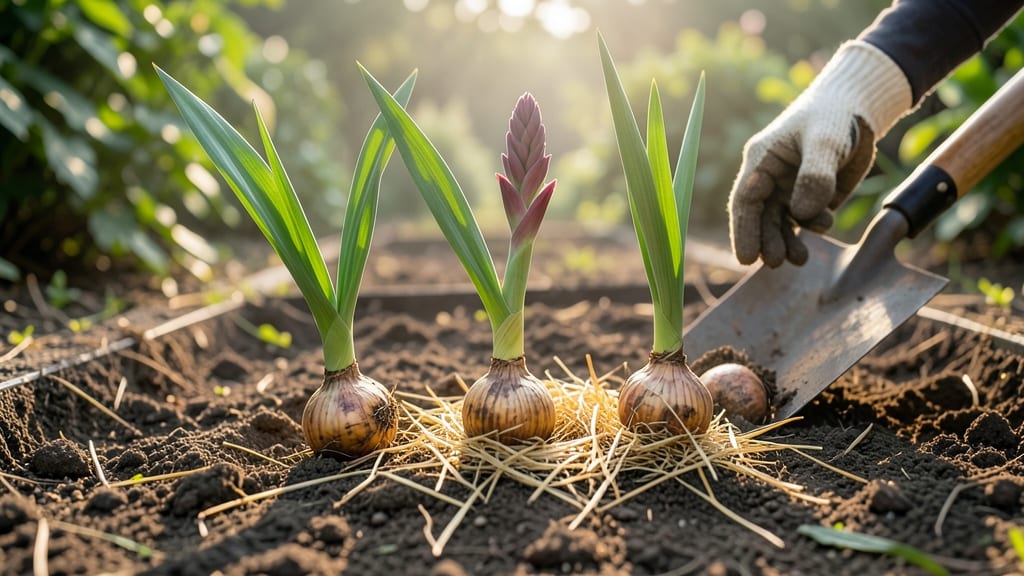
Planting those Gladiolus 🌱 bulbs in Tennessee at the right time is the secret to those show-stopping summer blooms that last all the way into fall. Plant too early, and a late frost could wipe out your hard work; too late, and you might miss the peak bloom window entirely.
The good news? With Tennessee’s varied climate zones—from the humid South to the cooler Appalachians—there’s a precise window for every region to get it perfect.
I’ve spent years growing Gladiolus in Tennessee’s heat zones, and the difference between a struggling garden and a vibrant one comes down to one key factor: when you put those bulbs in the ground.
Whether you’re in Memphis’s Zone 8 or Knoxville’s Zone 7, knowing the exact weeks to plant—plus how to prep your soil—means fewer headaches and more bold, long-lasting blooms that turn heads.
What if you could skip the guesswork and plant your Gladiolus with confidence, even when Tennessee’s spring weather plays tricks? I’ll break down the heat-zone-specific schedule that works for your corner of the state, plus pro tips to adjust for late frosts, soil warmth, and even humidity.
Let’s get those bulbs in the ground at the perfect moment so you can enjoy months of drama-worthy flowers.
Ready to transform your garden into a summer spectacle? You’ll walk away with the exact weeks to plant in your area, soil prep secrets, and care tricks to keep your Gladiolus thriving—no matter what Tennessee throws your way.
Tennessee heat Zone planting calendar: best weeks by region for gladiolus bulbs
Tennessee’s three distinct USDA hardiness zones (7b, 8a, and 8b) create unique planting windows for gladiolus bulbs. In Zone 7b (eastern highlands like Knoxville), aim for late April to early May after the last frost—typically around April 15.
Meanwhile, Zone 8a (middle Tennessee) can start as early as mid-to-late March, while Zone 8b (Memphis and western regions) often waits until early April to avoid heat stress.
Soil temperature is critical—gladiolus bulbs thrive when soil reaches 60°F or warmer. Use a soil thermometer to confirm readiness, especially in cooler microclimates like higher elevations.
In Memphis (Zone 8b), for example, I’ve seen bulbs planted in early April flourish, while Chattanooga (Zone 7b) gardeners often wait until mid-May for safety.
Here’s a breakdown of the ideal planting weeks by Tennessee region, accounting for last-frost averages and summer bloom timing:
| Region/Zone | Last Frost Date | Best Planting Weeks | Soil Temp Threshold | Bloom Window |
|---|---|---|---|---|
| Zone 7b (East TN: Knoxville, Chattanooga) | April 15–May 1 | Late April–Early May | 60°F+ | July–September |
| Zone 8a (Middle TN: Nashville, Murfreesboro) | March 15–April 1 | Mid-to-Late March | 55°F+ | June–August |
| Zone 8b (West TN: Memphis, Jackson) | February 28–March 15 | Early April | 58°F+ | May–July |
🌱 Pro Tip: Adjust 1–2 weeks earlier for south-facing beds or later for north-facing areas.
For staggered blooms, plant successive batches every 2–3 weeks through June. This ensures continuous color from early summer through fall. In Zone 8b, I’ve extended blooms into early October by planting late-June batches—just be sure to add mulch to protect roots as temperatures dip.
Microclimates matter! Urban heat islands (like downtown Nashville) can push planting dates 1–2 weeks earlier than rural areas. Conversely, mountain valleys (e.g., Sevier County) may need delayed planting due to lingering cold air pockets. Always monitor local weather forecasts for frost warnings.
Once planted, gladiolus bulbs need 6–8 hours of sunlight daily and well-draining soil. In Tennessee’s clay-heavy soils (common in West TN), amend beds with compost or sand to prevent rot.
My Memphis garden thrives with a 50/50 mix of native soil and compost, ensuring bulbs get both drainage and nutrients.
After planting, water deeply once a week until shoots emerge, then increase to 2x weekly during dry spells. In humid East TN, reduce watering slightly to avoid fungal diseases like botrytis. Always water at the base of plants to keep foliage dry.
For longer stems, remove lower buds as they form to redirect energy upward. In Zone 7b, I’ve seen 6-foot-tall spikes by using stakes or cages at planting. Avoid over-fertilizing with nitrogen—gladiolus prioritize phosphorus for blooms, so use a 5-10-10 fertilizer every 4–6 weeks.
By following these zone-specific guidelines, you’ll enjoy bold, vibrant gladiolus blooms from June through October, even in Tennessee’s variable climate. The key is soil warmth, timely planting, and consistent care—not just guessing at the calendar! 🌻
How to adjust planting for Tennessee’s unpredictable spring weather patterns
Tennessee’s spring weather can be as unpredictable as a whirlwind—one day it’s warm sunshine, the next, unexpected frost or heavy rains that turn your garden into a swamp. For gladiolus bulbs, this means flexible planting dates and smart protective strategies.
If you plant too early in Zone 7b (like in Nashville), a late frost could kill tender shoots, while planting too late in Zone 8b (like in Memphis) might delay blooms until September. The key is to monitor soil temperature and adjust timing based on real-time conditions.
Start by checking your soil temperature—gladiolus bulbs thrive when soil reaches at least 60°F (15°C). Use a soil thermometer (just $10 at garden centers) to test depth of 4-6 inches, where the bulbs will sit.
In East Tennessee’s cooler microclimates, like the Smoky Mountains, wait until mid-to-late May for planting.
Meanwhile, in West Tennessee’s warmer zones, like Shelby County, you can start as early as mid-April if the ground isn’t soggy. Pro tip: Plant in raised beds or hills for faster warming and better drainage.
If frost is forecasted after planting, cover young shoots with frost cloth or old bedsheets secured with bricks. For extra protection, use row covers or even clear plastic bottles (cut in half) over individual plants. Remove covers during the day to avoid overheating.
🌱 Did you know? Gladiolus bulbs are surprisingly hardy once established—they can tolerate light freezes after shoots emerge if the ground stays dry.
Another Tennessee-specific challenge is excessive rainfall, which can lead to bulb rot or fungal diseases. To combat this, plant gladiolus in well-draining soil with a sandy loam mix or amend heavy clay with compost and perlite.
Elevate planting beds slightly (even a 2-inch mound helps) to prevent waterlogging. If your area gets consistent downpours, like in the Cumberland Plateau, consider planting in containers with drainage holes—this gives you control over moisture levels.
For gardeners in transition zones (like Chattanooga’s 7b/8a border), a two-stage planting strategy works best. Plant half your bulbs in early May and the rest 4-6 weeks later in June. This spreads out blooming time, ensuring you get color from July through September regardless of spring weather quirks.
Staggering planting also helps if you’re growing multiple varieties—early bloomers like ‘Green Star’ can go in first, while late-season ‘Picasso’ gets planted later.
Don’t forget about mulching, which regulates soil temperature and retains moisture. Use straw or shredded leaves (2-3 inches thick) after planting to protect bulbs from temperature swings. Avoid plastic mulch—it can overheat soil in Tennessee’s humid summers.
If you’re in a low-lying area prone to cold air pooling (common in valleys like the Clinch River Valley), plant gladiolus on south-facing slopes where they’ll warm up faster in spring.
Finally, keep an eye on the weather forecast and have a backup planting plan. If a hard freeze is predicted after your initial planting, delay the second batch by 2-3 weeks.
With these adjustments, you’ll beat Tennessee’s spring unpredictability and enjoy show-stopping gladiolus blooms all summer long. The secret? Stay flexible and work with Mother Nature, not against her. 🌿