
Plants
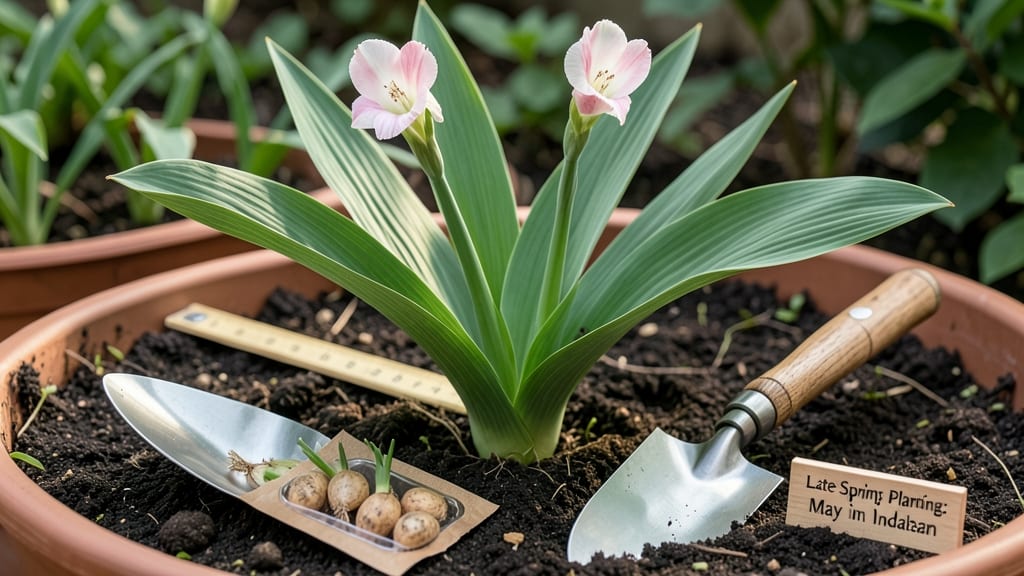
If you’ve ever dreamed of stunning summer blooms, timing is the secret weapon—especially when it comes to planting gladiolus bulbs in Indiana. The key? Understanding Indiana’s USDA Zone 6a climate and the late April to mid-May window when soil warms to 60°F+.
I’ve learned the hard way—skipping soil temperature checks or ignoring local frost dates can turn your gladiolus 🌸 into a sad, stunted disappointment. But here’s the good news: with the right timing and a few simple prep steps, you can transform your garden into a summer spectacle.
Let’s break down exactly when, how, and why to plant for maximum impact.
Indiana’s unpredictable spring weather adds a layer of challenge, but it’s not impossible to outsmart it. From Indianapolis to Evansville, regional microclimates shift planting windows by weeks.
Whether you’re a first-time gardener or a seasoned pro, knowing when to tuck those bulbs into the earth—and how deep—makes all the difference between wilted hopes and showstopping blooms.
Ready to turn your garden into a summer showstopper? I’ll walk you through the exact steps—from soil prep to bulb depth—to ensure your gladiolus thrive. Let’s get those dramatic stems standing tall by July!
Indiana’s gladiolus planting timeline: frost dates and soil temperature rules
Indiana’s USDA zones 5-6 create a delicate balance for gladiolus growers. The last average frost date across the state typically falls between April 15 (northern Indiana) and April 25 (southern Indiana).
This means your planting window opens when soil temperatures consistently reach 60°F or warmer, usually by mid-April in Evansville but closer to late April in Fort Wayne.
Gladiolus bulbs, or corms, are frost-sensitive but thrive in warm soil. Planting too early risks frost damage to emerging shoots, while waiting too long may delay those showstopping summer blooms you’re craving. The key is aligning your schedule with local frost data and soil warmth.
🌱 Did You Know?
Gladiolus corms store energy underground, but they need active soil temperatures (not air temps) to trigger growth. A soil thermometer is your best friend—aim for 60°F+ at 4-inch depth before planting.
Let’s break down the critical planting windows by Indiana region. Northern areas like Gary or South Bend should wait until mid-to-late May due to later frosts, while Indianapolis and Columbus can plant as early as early May.
Southern Indiana’s Evansville and Vincennes often see safe planting by late April.
For maximum bloom time, aim to plant gladiolus corms 4-6 weeks before your area’s last frost date. This gives roots time to establish before summer heat arrives. In Indiana, that typically means planting between April 20 and May 15, depending on your location.
💡 Pro Tip: Use a frost calendar from your local Purdue Extension office or check the Almanac’s frost predictor for your specific zip code. These tools account for microclimates that can shift planting windows by weeks.
Here’s what you need to know about soil temperature thresholds:
If you’re planting in containers or raised beds, these areas warm up 1-2 weeks faster than in-ground soil. This gives you a slight advantage for earlier planting in cooler microclimates. Just ensure containers have drainage holes to prevent waterlogged corms.
🌡️ Watch Out: Indiana’s unpredictable late frosts can strike as late as May 10 in northern areas. Protect young shoots with frost cloth or plant in sheltered locations like near a south-facing fence. Mulching with straw or shredded leaves also helps maintain consistent soil temperatures.
For gardeners in USDA Zone 5b (northern Indiana), consider starting corms indoors 4-6 weeks before your target outdoor planting date. Place them in pots with well-draining mix and keep them in a warm, bright location (like a sunny windowsill) until shoots emerge.
Remember, gladiolus blooms take 90-120 days from planting to flower. By aligning your schedule with Indiana’s frost patterns and soil warmth, you’ll ensure dramatic summer displays that rival any cut-flower arrangement.
Step-by-step gladiolus planting schedule for Indiana’s spring and fall seasons
Now that you’ve mastered the timing rules, let’s dive into the step-by-step schedule for planting gladiolus corms in Indiana’s spring and fall seasons. Spring planting yields the most dramatic summer blooms, but fall offers a second chance for extended season enjoyment.
For spring planting, focus on April through mid-May. This aligns with Indiana’s soil warming trends and ensures blooms by July or August. Start by preparing your soil: gladiolus corms thrive in well-draining, fertile soil with a pH between 6.0 and 6.8.
Work in compost or aged manure to enrich the soil before planting.
🌱 Key Steps for Spring Planting:
- Select firm, plump corms (2–3 inches in diameter) from a reputable supplier. Avoid any with soft spots or mold.
- Soak corms in mild fungicide solution (like neem oil or copper fungicide) for 10–15 minutes to prevent rot.
- Choose a sunny location with at least 6 hours of direct sunlight daily.
- Loosen soil to a depth of 12 inches and mix in compost or aged manure.
- For containers, use a well-draining potting mix with perlite or sand added.
- Dig holes 4–6 inches deep and 6–8 inches apart.
- Place corms with the pointed end facing up—this ensures proper growth direction.
- Cover with soil and water lightly to settle the soil around the corms.
- Apply 2–3 inches of mulch (straw, shredded leaves, or pine needles) to retain moisture and regulate soil temperature.
- In northern Indiana, use frost cloth if late frosts are forecasted.
For fall planting, aim for late September to early October in Indiana. This allows corms to establish roots before winter dormancy. Follow the same steps for soil prep and planting depth, but reduce spacing to 4–5 inches apart since fall-planted corms won’t grow as vigorously.
💡 Pro Tip for Fall Planting: In southern Indiana (USDA Zone 6a), you can push fall planting into early November if soil temperatures stay above 50°F. However, in northern Indiana (Zone 5b), stop planting by October 15 to avoid winter damage.
After planting, water deeply once a week (or more during dry spells) to encourage root growth. Once shoots emerge in spring, increase watering to every 3–5 days. Gladiolus are heavy feeders, so apply a balanced fertilizer (10-10-10) when shoots reach 6 inches tall and again when buds form.
🌿 Watch for These Signs: If shoots appear yellow or stunted, it may indicate overwatering or poor drainage. Conversely, wilting leaves in hot weather signal underwatering. Adjust your care routine accordingly to keep your gladiolus thriving.
By following this step-by-step schedule, you’ll ensure your gladiolus corms establish strong roots and produce bold, long-lasting blooms that bring color to your garden from July through September.
Whether you’re a spring planter or a fall enthusiast, Indiana’s climate can work in your favor with the right timing!