
Plants
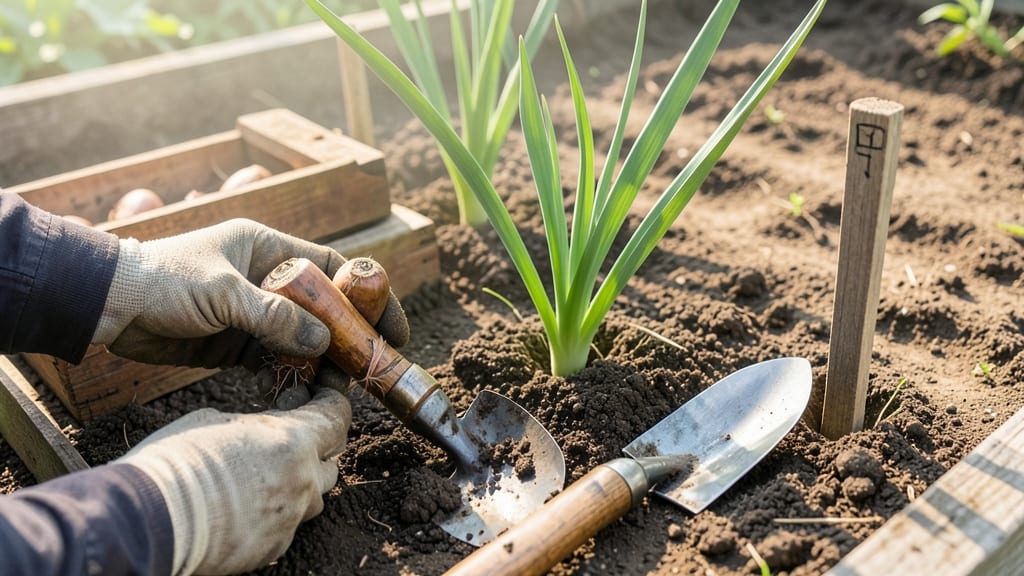
Timing your Gladiolus planting in Maine is the secret to those jaw-dropping summer blooms that turn heads at every garden party.
The wrong window means frost could ruin your 🌸 before they even sprout, while planting too late might leave you staring at bare soil when your neighbors' gardens are in full color.
With Maine's USDA zones 5-6 and unpredictable frost dates, knowing exactly when to plant is everything. Most gardeners here wait until mid-May to early June after the last frost date, but there are smart ways to give your gladiolus a head start that actually work in our climate.
What if I told you there's a simple 4-step method to maximize your blooming season? We'll cover everything from soil prep to the perfect planting depth, plus how to extend your flowers' lifespan by 2-3 weeks—even in Maine's short summer.
Let's cut through the guesswork and get those bold summer blooms thriving in your garden this year, no matter where you are in the state. Your future garden parties will thank you!
Maine’s gladiolus planting timeline: frost dates and hardiness zones
Maine’s USDA zones 5-6 and unpredictable last frost dates (typically May 15–June 1) make timing critical for gladiolus success. These stunning 🌸 flowers need 60°F+ soil temperatures to germinate, which usually aligns with late May in most regions.
Coastal areas like Portland often warm up earlier, while inland spots near Bangor may need to wait until early June.
For Maine gardeners, the ideal planting window is mid-May to early June—after the last frost but before July 1, when summer heat peaks. Planting too early risks frost damage, while late planting may result in shorter stems and fewer blooms.
Always check your local frost-free date using the National Weather Service or Old Farmer’s Almanac for precision.
Gladiolus corms can also be planted in late July for a fall bloom, but this requires careful monitoring of first frost dates (usually October 1). This method extends your display but demands vigilance against early cold snaps.
Soil temperature is the #1 factor for success. Use a soil thermometer to confirm 60°F+ before planting. In colder Northern Maine areas, consider a cold frame or black plastic mulch to warm the soil faster.
Here’s how Maine’s regional microclimates affect your timing:
| Region | Last Frost Date | Optimal Planting Window | Soil Temp Threshold |
|---|---|---|---|
| Southern Maine (Portland, Kittery) | Mid-May | Late May–early June | 60°F+ (earlier than inland) |
| Central Maine (Augusta, Waterville) | Late May | Early June | 60°F+ (standard) |
| Northern Maine (Bangor, Presque Isle) | Early June | Mid-June | 60°F+ (later than south) |
| Coastal vs. Inland | 1–2 weeks earlier | Adjust planting by 7–14 days | Coastal warms faster |
Pro tip: If you’re eager to start earlier, soak your gladiolus corms in warm water (70°F) for 24 hours before planting. This jumpstarts germination and gives you a 2-week head start on growth. Just be ready to protect them with row covers if frost threatens.
For cutting gardens, aim to plant in early June to ensure peak blooms in August, when Maine’s summer festivals are in full swing. Stagger your planting by 2–3 weeks for continuous color through September.
Remember: Gladiolus corms are perennials in Maine, but they often don’t survive winters without protection. Dig them up after first frost (October) and store them in dry peat moss at 40–50°F until next spring. This simple step ensures you can replant the same varieties year after year.
Now that you’ve got your timing locked in, let’s dive into the step-by-step planting process tailored for Maine’s unique soil and climate challenges. Spoiler: Soil prep is where most gardeners go wrong—and it’s easier than you think!
Maine’s gladiolus planting timeline: frost dates and hardiness zones
Maine’s USDA zones 5-6 mean your gladiolus planting window is razor-thin—just 100 days between last frost (May 15 in most areas) and first frost (October 1). Coastal zones like Portland often see frost-free soil 2 weeks earlier than inland areas like Bangor, so adjust accordingly.
The key is planting when soil temperatures hit 60°F+, which typically aligns with early June for most of the state.
For maximum blooms, aim to plant gladiolus corms 4-6 weeks before your area’s last frost date.
This means: - Southern Maine (zones 6a-6b): Early May (soil warms faster) - Northern Maine (zones 5a-5b): Mid-June (safer after frost risk passes) - Highland areas (e.g., Mount Katahdin): July (extreme caution needed)
🌱 Maine Gladiolus Planting Summary
| Region | Last Frost Date | Optimal Planting Window | Soil Temp Threshold |
|---|---|---|---|
| Southern Coast (Portland) | May 1 | Late April - Early May | 55°F+ |
| Central Maine (Augusta) | May 15 | Early June | 60°F+ |
| Northern Maine (Bangor) | June 1 | Mid-June | 65°F+ |
| Highland Areas | June 15 | July | 70°F+ |
Pro tip: Use a soil thermometer to confirm readiness—gladiolus corms won’t sprout until soil hits 60°F. If your soil is still cold, opt for container planting near a sunny wall to trap heat. This is especially useful in northern Maine, where frost can linger until June 15.
For extended blooms, try staggered planting: Install half your corms in early June and the rest 2 weeks later. This ensures continuous 🌸 blooms from July through September, even in Maine’s short season.
Just remember—gladiolus are tender perennials in our climate, so dig up and store corms before first frost.
If you’re tempted to plant earlier than recommended, protect your corms with frost blankets or a cold frame. I’ve had success in Portland planting as early as late April using this method, but it requires daily monitoring for frost warnings.
The risk of rot in cold, wet soil isn’t worth it unless you’re prepared to act fast.
Don’t forget: Maine’s acidic soil (pH 4.5-5.5) can stunt gladiolus growth. Amend your planting area with lime or compost to raise pH to 6.0-6.5 before planting. This simple step can double your bloom count by ensuring proper nutrient uptake.