
Plants
Planting grapes in North Carolina at the wrong time can mean the difference between a thriving vineyard and a frost-killed crop—so timing is everything. With NC’s diverse microclimates, knowing exactly when to plant in your county is critical for maximizing yields and avoiding common pitfalls.
Whether you're in the mountains, piedmont, or coastal plains, the ideal window for planting 🍇 grapes falls between late winter and early spring. Most gardeners in zones 6b-8a should aim for February to April, but local frost dates can shift that timeline by weeks.
In this guide, I’ll break down the best planting times for your specific NC county, including how to adjust for early frosts or late springs. You’ll also discover soil prep secrets and variety recommendations that thrive in your region.
Let’s get your grapevines off to the best start—because the right timing could mean the difference between a handful of berries and a bountiful harvest.
NC frost-date calculator: best planting windows by county for grapes
North Carolina’s diverse climate—from the coastal plains to the mountain regions—means frost dates vary wildly by county. Planting grapes too early risks frost damage, while waiting too long delays vine establishment.
The ideal window is 4-6 weeks before your county’s last frost date, with soil temperatures above 50°F.
For most of NC, this translates to late February through April. However, mountain counties like Haywood or Henderson (USDA Zone 6b) may need to wait until mid-April, while coastal areas like Carteret or Dare (Zone 8a) can plant as early as late January.
Always check your local USDA zone for precision.
Bare-root vines—common in nurseries—must be planted while dormant but not thawed. Potted grapes offer flexibility but require well-draining soil and protection from wind. Below, I’ve broken down planting windows by NC’s major regions to help you avoid costly mistakes.
🌱
| Region/County | USDA Zone | Last Frost Date | Best Planting Window | Soil Temp Requirement |
|---|---|---|---|---|
| Mountain (Asheville, Boone, Haywood) | 6b-7a | March 20-April 5 | Mid-April to early May | 50-55°F |
| Piedmont (Raleigh, Greensboro, Winston-Salem) | 7a-7b | March 15-April 1 | Late March to mid-April | 50-55°F |
| Coastal Plains (Fayetteville, Wilmington, Jacksonville) | 7b-8a | February 28-March 15 | Late February to early April | 50-52°F |
| Outer Banks (Dare, Currituck) | 8a-8b | January 15-February 15 | Late January to March | 52-55°F |
🌡️ Pro Tip: Use a soil thermometer to confirm temps before planting.
If you’re unsure of your county’s frost date, the NC State Climate Office offers historical data. For example, Wake County averages its last frost on March 22, so I plant my Norton grapes in early March.
Coastal gardeners can push planting to January for early harvests, but mountain growers should wait until May if frost lingers.
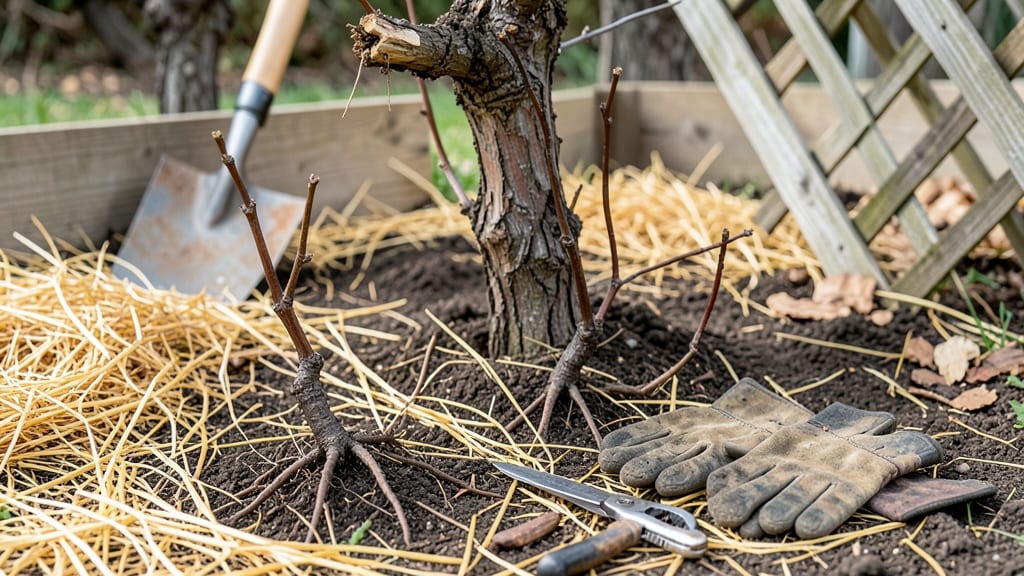
For bare-root vines, soak roots in water for 2-4 hours before planting to rehydrate. Potted grapes need their root ball loosened to encourage root spread. Both types require a trellis or arbor for support—install this before planting to avoid disturbing roots later.
🪴
Once planted, mulch heavily (3-4 inches of straw or wood chips) to insulate roots. In Zone 6b, I’ve used row covers until mid-May to protect young vines from late frosts. Avoid planting near walnut trees, as their roots release juglone, a toxin harmful to grapes.
Remember: Early planting in cold zones risks frost, while late planting delays fruit production. Use this table as your guide, then adjust by 1-2 weeks based on your microclimate—like a sheltered south-facing slope or a windy ridge.
☀️
How to adjust planting time for NC’s microclimates and soil types
North Carolina’s geography creates three distinct grape-growing zones: the mountains, piedmont, and coastal plains, each with unique frost patterns and soil challenges.
Mountain regions like Asheville (Zone 7a) often see last frosts in mid-April, while coastal areas like Wilmington (Zone 8a) can plant as late as May. Understanding these differences is key to avoiding frost damage.
For mountain growers, aim to plant bare-root grapes in late February to early March when soil temperatures reach 50°F. In the piedmont, where frosts linger until mid-April, shift planting to March 15-April 15. Coastal gardeners enjoy a 2-4 week later window due to milder winters.
🌡️ NC Microclimate Adjustments
- Mountains (Zones 6b-7a): Plant bare-root February 20-March 15; use row covers if late frosts threaten.
- Piedmont (Zones 7b-8a): Ideal window: March 15-April 15; amend clay-heavy soils with compost.
- Coastal Plains (Zone 8a): Plant potted grapes April 1-May 15; monitor for humidity-related diseases.
North Carolina’s clay-heavy soils require special prep to improve drainage. Before planting, mix in 2-3 inches of compost and sand to create a well-draining root zone. For sandy soils common in coastal areas, add organic matter like leaf mold to retain moisture.
A soil pH of 6.0-6.5 is ideal—test and amend with lime if needed.
Extend your planting season with mulch and row covers. Apply 4-6 inches of straw mulch after planting to insulate roots and retain moisture. For early springs, use floating row covers until mid-May to protect young vines from unpredictable frosts.
In late plantings, black plastic mulch can warm soil faster, helping vines establish before winter.
Organic growers can use compost tea or fish emulsion to boost soil fertility without synthetic chemicals. Conventional gardeners might prefer slow-release fertilizers like 10-10-10 applied at planting. Both methods work, but organic approaches build soil health over time, reducing long-term maintenance.
Remember: Soil temperature matters more than air temperature. Use a soil thermometer to confirm 50°F+ before planting—cold soil slows root growth and increases frost sensitivity. With these adjustments, your NC grapevines will thrive regardless of microclimate! 🌱