
Plants
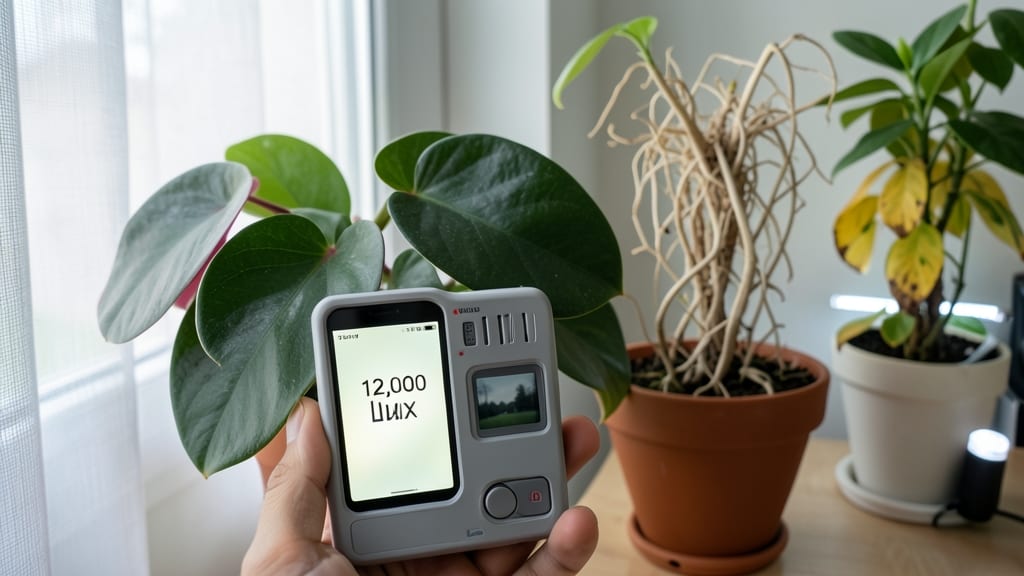
If your Hoya plant’s leaves are turning pale or stretching toward the light like a sleepy cat reaching for the sun, you’re not alone—how much light does a Hoya plant need is the #1 question that stumps even seasoned plant parents. 🌿 The truth?
Hoyas thrive in bright, indirect sunlight, but too much direct glare or dim corners can send them into a growth slump. Let’s cut through the confusion and find the sweet spot for your plant’s happiness.
The key is mimicking their natural habitat—dappled forest light. That means placing your Hoya near an east-facing window where it gets gentle morning rays, or a few feet back from a south-facing window where harsh afternoon sun won’t scorch its delicate foliage.
Too little light? Your plant will grow leggy and weak. Too much? Watch for crispy brown edges or sunburned patches. I’ll show you exactly how to spot these signs and adjust care before it’s too late.
What’s surprising is how adaptable Hoyas can be once you get their lighting right. Even in lower-light spots, they’ll reward you with lush, waxy leaves—if you make a few simple tweaks.
We’ll cover everything from seasonal light shifts (hello, shorter winter days) to DIY light tests to help you dial in the perfect setup. Ready to transform your Hoya from struggling survivor to thriving showstopper?
By the end of this guide, you’ll know not just how much light your Hoya craves, but where to place it, when to move it, and even how to supplement with grow lights if your home’s lighting leaves something to be desired.
Let’s get your plant basking in the glow it deserves—without the guesswork.

Ideal light requirements for Hoya plants: bright indirect sunlight explained
Hoya plants thrive in bright indirect sunlight, making them perfect for homes with natural light but no harsh afternoon sun. Unlike sun-worshipping succulents, Hoyas prefer filtered light—think of it like a gentle morning glow that fades into soft afternoon shade.
This balance prevents leaf burn while encouraging vibrant foliage and occasional fragrant blooms.
Most Hoyas tolerate 4-6 hours of light daily, but their needs vary by variety. For example, Hoya carnosa (the popular "wax plant") handles slightly more light than delicate Hoya linearis varieties. The key is observing your plant’s response—if leaves start turning yellow or red, it’s time to adjust.
Seasonal changes drastically affect light exposure. During summer, when sunlight is intense, Hoyas benefit from sheer curtains or placement 3-6 feet from east-facing windows. In winter, when light is scarce, move them closer to windows or supplement with grow lights to prevent leggy growth.
Direct sunlight—especially afternoon rays—can scorch Hoya leaves within hours, leaving crispy brown patches. To test your space, place a sheet of paper near your plant’s spot.
If it burns within a few hours, the area gets too much direct sun. For Hoyas, aim for 50% shade during peak sunlight hours.
Indoor grow lights are a game-changer for low-light spaces. A full-spectrum LED grow light (12-15 watts) placed 6-12 inches above your Hoya mimics natural light cycles. Run it for 12-14 hours daily to replicate a sunny day, but avoid keeping it on 24/7—Hoyas need rest too!
Outdoor Hoyas in partial shade gardens (like under high-canopy trees) often grow faster than indoor counterparts. However, avoid placing them in deep shade—this leads to weak stems, sparse leaves, and fewer flowers. A south-facing patio with afternoon shade is ideal for outdoor Hoyas in warmer climates.
| Light Condition | Ideal Exposure | Signs of Stress | Solution |
|---|---|---|---|
| Bright Indirect Light | 4-6 hours daily | Vibrant green leaves, occasional blooms | East/west windows, sheer curtains |
| Low Light | <2 hours daily | Leggy stems, sparse leaves | Move closer to window or add grow light |
| Direct Sun | >4 hours daily | Brown/white patches, crispy edges | Filter light with sheer curtain or move to shade |
| Seasonal Adjustments | Summer: More shade / Winter: Supplemental light | Healthy growth year-round | Rotate plant quarterly for even light exposure |
Rotating your Hoya plant every 2-4 weeks ensures even growth and prevents it from leaning toward light sources. This simple habit keeps stems sturdy and leaves symmetrical. If you notice one side darker than the other, it’s a clear sign your plant is stretching toward a light source.
For new Hoya owners, start with a north-facing window if your home lacks east/west options. While not ideal, Hoyas adapt well to gradual light increases. Over 4-6 weeks, slowly move your plant closer to a brighter spot to avoid shocking its leaves with sudden light exposure.
Remember: Hoyas are low-maintenance light lovers—they’ll forgive occasional missteps but thrive when you meet their bright indirect light needs. With the right spot, your Hoya will reward you with glossy leaves and fragrant flowers for years to come! 🌿
Ideal light requirements for Hoya plants: bright indirect sunlight explained
Hoya plants thrive in bright indirect sunlight, but their exact needs vary by variety. Most Hoyas prefer 4-6 hours of filtered light daily, mimicking their natural dappled forest floor habitat. Direct midday sun can scorch delicate leaves, while dim light causes leggy growth and fewer flowers.
Think of it as a balance—like a cozy reading nook with plenty of natural light but no harsh glare.
The key is east-facing windows, which provide gentle morning sun without the intensity of afternoon rays. South-facing windows work too, but only if your Hoya sits 6+ feet away to avoid leaf burn.
West-facing windows? Use sheer curtains to diffuse the harsh afternoon light—your Hoya will thank you with vibrant, healthy foliage.
| Light Condition | Ideal Duration | Hoya Response |
|---|---|---|
| Bright Indirect | 4-6 hours daily | Vibrant leaves, frequent blooms |
| Direct Morning Sun | 1-2 hours max | Healthy growth, minimal stress |
| Low Light | <2 hours | Leggy stems, sparse blooms |
| Harsh Afternoon Sun | Avoid entirely | Leaf scorch, crispy edges |
Seasonal adjustments are crucial—winter light is weaker, so rotate your Hoya to expose all sides evenly. In summer, watch for sudden heat spikes near windows and move your plant back if leaves start yellowing.
A simple trick? Use a white sheer curtain to filter light without blocking airflow, creating the perfect microclimate for your Hoya.
For outdoor Hoyas, partial shade under trees works wonders, but avoid deep shade where leaves turn pale and growth stalls. If your Hoya starts developing red or purple hues, it’s begging for more light—gradually increase exposure over 1-2 weeks to avoid shocking the plant.
Remember, Hoyas are adaptable, but they’ll reward you with glossy leaves and stunning waxy flowers when given the right light.
Pro tip: Place your Hoya 3-6 feet from an east window or 6+ feet from a south window for optimal results. Test your spot by holding a piece of paper near the plant—if you can easily read the print, the light is too harsh.
Adjust until the light is soft but bright enough to cast a gentle shadow.
With the right light, your Hoya will flourish year-round, proving that even indoor plants can thrive with a little attention to their natural needs. 🌿