
Plants
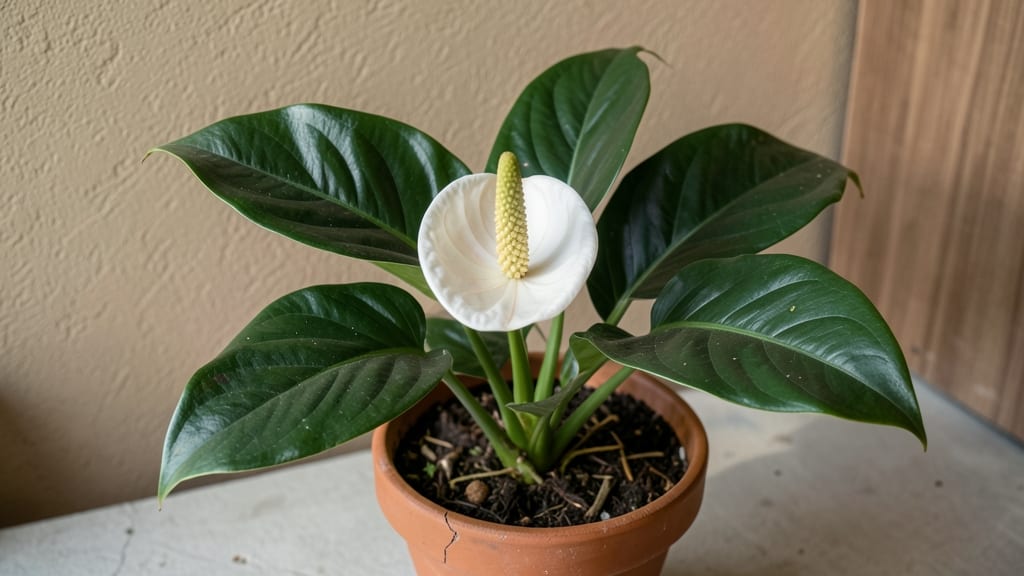
Wondering how much light does a peace lily plant need to stay vibrant? Unlike sun-loving plants, Peace Lilies thrive in low to bright indirect light, making them perfect for busy homes or offices where direct sunlight is scarce.
Too little light, and your plant might start drooping or losing leaves. Too much, and those beautiful dark green leaves could develop unsightly brown tips. The key is finding that sweet spot where your Peace Lily feels happy and healthy—without guessing.
I’ll walk you through exactly what your plant needs, from identifying the perfect spot in your home to adjusting light exposure when things start going wrong. Whether you’re dealing with a dim corner or a bright window, these tips will help you create the ideal environment.
Ready to give your Peace Lily the care it deserves? Let’s dive into the details so you can enjoy lush, thriving foliage all year round.

Peace lily light requirements: ideal conditions for growth and blooms
Peace lilies (Spathiphyllum) are famous for thriving in low-light conditions, making them perfect for offices or dimly lit homes. However, they still need bright indirect light to produce those iconic white blooms and maintain lush foliage.
Too little light causes drooping, while too much direct sun can scorch their leaves.
Ideally, place your peace lily within 6-10 feet of a north-facing window, where it receives 2-4 hours of filtered sunlight daily. East-facing windows also work well, offering gentle morning light. Avoid south- or west-facing windows, which expose plants to harsh afternoon rays.
The key is bright indirect light, meaning sunlight should bounce off a sheer curtain or tree leaves before reaching your plant. Think of it like a dappled forest floor—soft and diffused. If your home lacks natural light, don’t worry; we’ll cover grow light solutions later.
Here’s how to spot light-related stress in your peace lily:
- Leggy stems or sparse leaves = too little light
- Brown leaf tips or crispy edges = too much direct sun
- No blooms = insufficient light (even if leaves look healthy)
| Light Condition | Ideal Location | Growth Impact | Bloom Frequency |
|---|---|---|---|
| Low Light (<2 hours indirect) | Corner of a room, far from windows | Slow growth, small leaves, leggy stems | Rare or no blooms |
| Medium Indirect (2-4 hours) | 6-10 ft from north/east window | Healthy growth, glossy leaves | Occasional blooms (2-3x/year) |
| Bright Indirect (4+ hours) | 3-6 ft from east window or filtered south window | Vigorous growth, large leaves | Frequent blooms (4-6x/year) |
| Direct Sunlight | South/west windows without curtains | Brown tips, crispy leaves, stunted growth | No blooms; plant may decline |
For optimal blooming, aim for medium indirect light—this is where your peace lily will shine (literally!). If you notice yellowing leaves or drooping, it’s often a sign of underwatering combined with low light.
Peace lilies are forgiving, but they do best with a balance of light, water, and humidity.
Pro tip: Rotate your plant quarter-turns every 2-3 weeks to ensure even light exposure. This prevents one-sided growth and keeps those leaves symmetrical. Even in low light, your peace lily will reward you with glossy, dark green foliage and the occasional surprise bloom.
If your home has no natural light, don’t despair—grow lights can mimic ideal conditions. A 12-inch LED grow light placed 12-18 inches above your plant for 10-12 hours daily will keep it thriving. Just avoid placing the light too close, or you’ll risk leaf burn.
Remember, peace lilies are adaptable, but they’re not invincible. Pay attention to their leaf color and growth patterns—they’ll tell you exactly what they need. With the right light, your peace lily will become the star of your indoor jungle.
🌿
How to adjust your peace lily’s light exposure for healthier growth
Your peace lily thrives in low to medium indirect light, but even the hardiest plants need occasional adjustments. If you notice yellowing leaves or stretched stems, it’s time to tweak its light exposure.
Start by rotating your plant quarter-turns every 2 weeks to ensure even growth and prevent lopsided development. Uneven light exposure can cause one side to grow faster, leading to an unattractive shape.
For homes with limited natural light, consider placing your peace lily near a north-facing window or under a sheer curtain on an east- or west-facing window. Direct sunlight through standard glass can scorch leaves, so filtering is key.
If your space lacks windows, a grow light on a timer (12-14 hours/day) can mimic natural conditions and keep your plant happy.
🌿
⚠️ Watch for These Light-Related Red Flags
- Brown leaf tips = Too much direct sun or low humidity
- Yellow leaves = Overwatering + poor light conditions
- Leggy stems = Not enough light for photosynthesis
If you spot these signs, adjust your peace lily’s spot immediately. Brown tips often mean it’s getting too much harsh light, while yellowing suggests it’s struggling to process water efficiently in dim conditions.
If your peace lily starts developing brown patches on its leaves, move it farther from the window or add a light-diffusing screen. Conversely, if the leaves look pale and the plant isn’t blooming, it might need a slightly brighter spot.
Test different locations for a week at a time to see how your plant responds.
For optimal growth, aim for 2-4 hours of bright indirect light daily. If your home’s lighting is inconsistent (like in offices or basements), supplement with a LED grow light placed 12-18 inches above the plant.
Keep the light on for 12 hours a day and monitor the leaves for stress signals like curling or wilting.
Pro tip: Peace lilies are forgiving, but consistency is key. If you move your plant frequently, it may take weeks to adjust. Give it time to acclimate to its new spot before expecting blooms or new growth. Patience pays off with healthier, more vibrant foliage!
✂️