
Plants
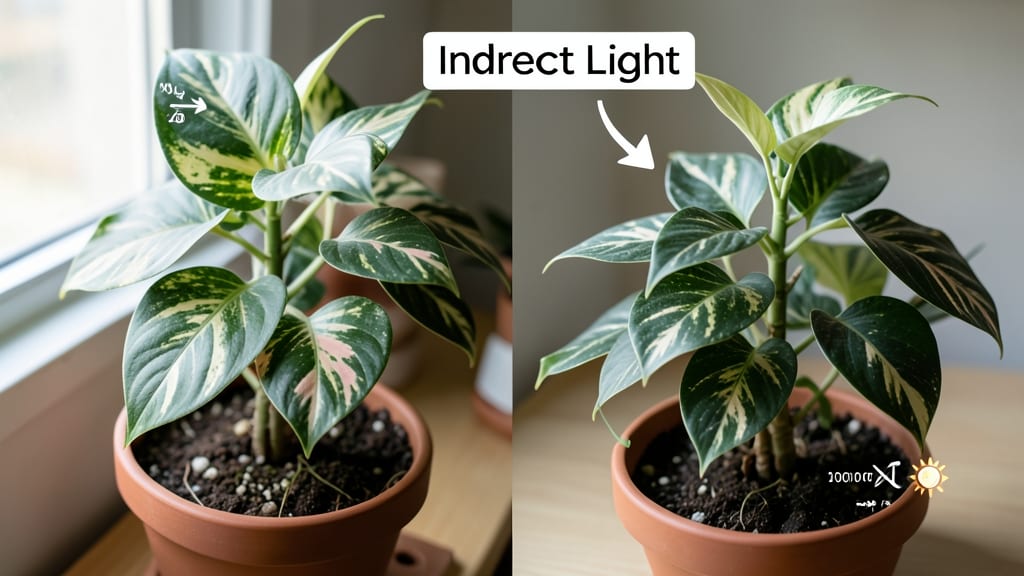
If you’re wondering how much light does an Arrowhead Plant need, the answer lies in striking the perfect balance of bright indirect light to keep it thriving. The key to vibrant growth isn't blasting it with sunlight—it's finding that perfect balance that keeps leaves lush and stems sturdy.
Most people assume these tropical beauties thrive in direct sun, but too much can actually scorch their delicate foliage. I’ve seen firsthand how the right lighting can transform a leggy, weak plant into a thriving showstopper in just a few weeks.
Whether you're dealing with a dim corner or a south-facing window, I’ll break down exactly how much light your Arrowhead Plant needs—and how to spot when it’s getting too much (or too little) before it’s too late.
Ready to give your plant the ideal conditions? Let’s dive into the secrets of bright indirect light that’ll have your Arrowhead Plant looking its best year-round.

Optimal light requirements for arrowhead plants: bright indirect sun explained
Arrowhead plants (Syngonium spp.) thrive in bright indirect light, but many gardeners struggle to strike the perfect balance. Unlike sun-loving plants, arrowheads despise harsh direct sunlight, which can cause leaf scorch and crispy edges. The key is mimicking their native understory habitat—think dappled sunlight filtering through trees.
Most arrowhead varieties tolerate low to medium indirect light, but they’ll reward you with vibrant foliage and faster growth when given 4-6 hours of filtered sunlight daily. South-facing windows can be too intense, while north-facing spots may leave your plant looking pale and stretched.
Here’s the golden rule: East or west windows are ideal because they provide gentle morning or afternoon sun without the harsh midday rays. If your home lacks natural light, don’t worry—arrowheads adapt well to artificial grow lights (12-14 hours/day) placed 6-12 inches above the plant.
Seasonal adjustments are crucial. In summer, move your arrowhead 3-4 feet back from south-facing windows to prevent sunburn. In winter, supplement with a full-spectrum LED grow light if natural light drops below 3 hours daily.
Pro tip: Use the "leaf test" to gauge light needs. Hold your hand near the plant—if you can comfortably read a book under the same light, it’s perfect. If the light feels too dim, your arrowhead will stretch toward the source (a sign of etiolation).
A common misconception is that "bright indirect light" means direct morning sun is safe. It’s not—even gentle morning rays can cause yellowing or brown tips over time. Think of it like a sheer curtain filter: the light should be bright but diffused.
For outdoor growers, arrowheads make stunning houseplant-to-garden transitions in USDA Zones 9-11. Place them in partial shade under trees or on patios with afternoon shade. In cooler climates, bring them indoors before temperatures drop below 50°F (10°C).
Let’s break down the light spectrum your arrowhead truly needs—because not all indirect light is created equal.
Notice how medium indirect light (25-50% brightness) is the sweet spot for most arrowhead varieties? This range mimics their natural habitat and prevents the stretching (etiolation) that plagues underlit plants or the burnt edges from too much sun.
If you’re growing a variegated arrowhead (like Syngonium ‘Pink Allusion’), prioritize bright indirect light to enhance those stunning white or pink patterns. Non-variegated types can handle slightly lower light, but they’ll lose their deep green vibrancy without enough brightness.
For outdoor enthusiasts, arrowheads can tolerate morning sun in cooler months (spring/fall), but afternoon sun (especially in summer) will almost always cause damage.
Test your outdoor spot by placing a white piece of paper where your plant will sit—if you can’t hold your hand there for 5+ minutes without it feeling warm, the light is too intense.
Remember: Rotation is your friend. Turn your arrowhead quarter-turn weekly to ensure even growth and prevent it from leaning toward the light source. This simple habit keeps your plant symmetrical and sturdy while maximizing light exposure.
Optimal light requirements for arrowhead plants: bright indirect sun explained
Arrowhead plants (Syngonium spp.) thrive in bright indirect light, which mimics their natural tropical habitat. This means they need plenty of natural light, but it should be filtered—never harsh or direct.
Think of it as sunlight diffused through a sheer curtain or tree canopy. Too little light leads to weak growth, while too much causes leaf burn.
The ideal spot offers 4-6 hours of filtered sunlight daily, typically found 2-3 feet from an east or west-facing window. South-facing windows can work, but you’ll need to shield the plant from midday sun with a sheer curtain.
North-facing windows often provide too little light unless supplemented with grow lights.
Here’s how to visualize the perfect light setup for your Arrowhead Plant:
| Light Condition | Description | Effect on Arrowhead Plant | Solution |
|---|---|---|---|
| Low Light (<4 hrs) | Dim corners, north-facing windows | Leggy growth, pale leaves | Move closer to window or use grow lights |
| Bright Indirect (4-6 hrs) | East/west windows, filtered sun | Healthy, vibrant growth | Perfect! No adjustments needed |
| Direct Sun (>6 hrs) | South-facing windows, no filter | Brown leaf tips, crispy edges | Use sheer curtains or move 3+ feet away |
Seasonal adjustments are key. In summer, when sunlight is intense, move your plant slightly farther from the window or add a sheer curtain. In winter, supplement with a grow light for 6-8 hours daily if natural light drops below 4 hours.
I’ve found that a simple LED grow light placed 12-18 inches away can make all the difference during short winter days.
Pro tip: Rotate your plant quarter-turn weekly to ensure even growth. Arrowhead plants naturally grow toward the light, so consistent rotation prevents lopsided foliage. This simple habit keeps your plant compact and symmetrical, with leaves pointing in all directions for a fuller look.
One common misconception is that "bright indirect light" means dim light. It doesn’t! Your Arrowhead Plant needs plenty of light—just without the harsh rays. Test your spot by holding a piece of paper near the plant.
If you can easily read the print, it’s too dim. If the paper burns within minutes, it’s too intense.
With the right light, your Arrowhead Plant will reward you with glossy, arrow-shaped leaves and vigorous growth. The secret is patience—adjust gradually and watch your plant thrive in its perfect light haven.