
Plants
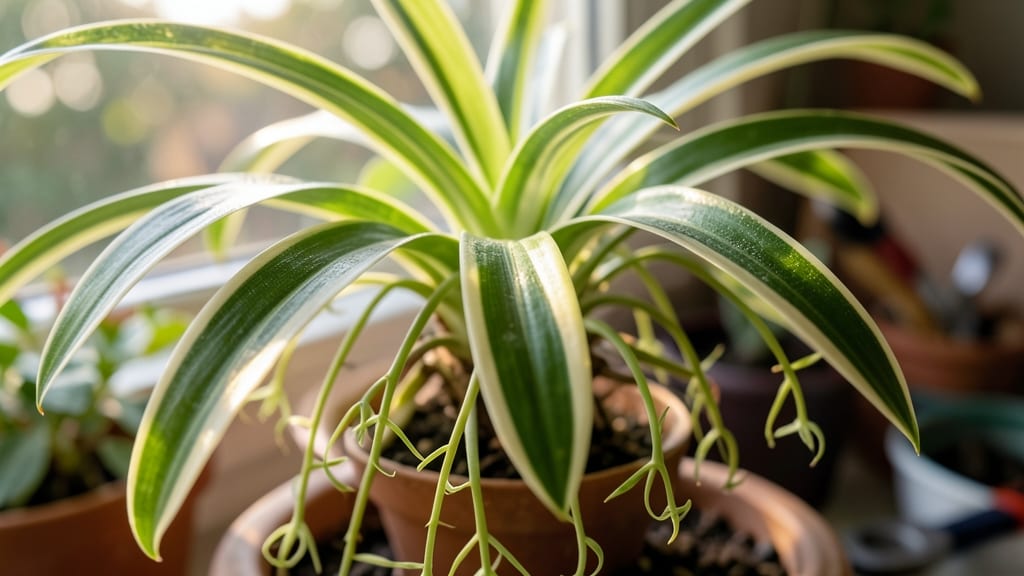
If your spider plant 🕷️ is looking a little sad—think droopy leaves or pale stripes—you might be getting the lighting all wrong.
The right amount of light is the key to keeping your spider plant thriving, and 3-4 hours of bright indirect sunlight is exactly what it craves to stay lush and green.
Too much direct sun? Those pretty variegated leaves can scorch. Too little light? You’ll end up with leggy, sparse growth that struggles to stay upright.
The good news is, spider plants are forgiving, but they do need a happy medium to reward you with those signature striped leaves and baby spiderettes.
I’ve seen firsthand how a simple adjustment in lighting can transform a struggling spider plant into a vibrant, healthy centerpiece. Whether you’re dealing with yellowing leaves or slow growth, understanding the ideal light conditions will set your plant up for success—no green thumb required.
Let’s break down exactly how to give your spider plant the perfect light setup, from identifying the best spot in your home to troubleshooting common lighting mistakes. You’ll learn how to spot signs of over- or underlighting and make quick, easy fixes to keep your plant flourishing year-round.

Ideal light requirements for a healthy spider plant: bright indirect sun explained
Spider plants (Chlorophytum comosum) thrive best with 3-4 hours of bright indirect sunlight daily. This means placing them near a window where sunlight filters through sheer curtains or a light-colored blind.
Direct sunlight can scorch their leaves, while too little light causes leggy growth and pale foliage. Understanding these light needs is key to keeping your plant vibrant and healthy.
Bright indirect light mimics their natural habitat under dappled forest canopies. In my own home, I’ve found that positioning my spider plant 2-3 feet away from an east-facing window provides the perfect balance. East-facing windows offer gentle morning light without the harsh afternoon sun that can damage leaves.
If you’re unsure whether your space qualifies as "bright indirect," try this simple test: Hold a piece of white paper near your plant during peak sunlight hours. If the paper shows a faint shadow but no harsh contrast, your light conditions are ideal for a spider plant.
Here’s what your spider plant’s light needs look like in action:
| Light Condition | Daily Duration | Best Window Placement | Signs of Proper Light |
|---|---|---|---|
| Bright Indirect | 3-4 hours | East or North-facing | Dark green leaves, compact growth, occasional "pups" |
| Low Light | <1 hour | Far from windows | Pale leaves, long stems, sparse pups |
| Direct Sun | >4 hours | South or West-facing (no filter) | Brown patches, crispy edges, yellowing |
Notice how the table highlights the 3 critical light conditions for spider plants. The first row shows the ideal scenario: bright indirect light with 3-4 hours of exposure.
This is where your plant will produce the most vibrant foliage and those adorable "pups" (baby spider plants) that make propagation so rewarding.
For those with south-facing windows, the key is to use sheer curtains or a light-colored blind to diffuse the harsh afternoon rays. I’ve seen many gardeners make the mistake of placing their spider plants directly in south-facing light, only to watch the leaves develop brown, crispy edges within weeks.
A simple fix is moving the plant back 3-4 feet from the window or adding a sheer curtain.
Even in low-light conditions, spider plants can survive—but they’ll grow slowly and develop long, leggy stems as they stretch toward any available light. If your home has limited natural light, consider supplementing with a low-wattage LED grow light for 12-14 hours daily.
I’ve had great success with a simple 6-inch grow bulb placed 6-12 inches above my spider plant, which helps maintain its compact, bushy shape.
One common misconception is that spider plants can thrive in complete shade. While they’re more tolerant than many houseplants, prolonged shade leads to weak stems and pale, stretched-out leaves.
Think of it like a human reaching for sunlight on a cloudy day—your plant will always grow toward the best available light, even if it’s not ideal.
To maximize your spider plant’s light exposure, rotate the pot quarter-turns every 2-3 weeks. This ensures even growth and prevents the plant from leaning toward one light source.
I like to set a reminder on my phone to check my plants’ light exposure during seasonal changes, as sunlight intensity shifts with the seasons.
When in doubt, observe your spider plant’s leaf color and growth pattern. Healthy leaves should be dark green with white or yellow stripes, while pale or darkening leaves signal light issues.
With the right light, your spider plant will reward you with lush growth, frequent pups, and that classic "happy plant" vibe. 🌱
Ideal light requirements for a healthy spider plant: bright indirect sun explained
Your spider plant 🕷️ thrives on bright indirect sunlight, which means it needs 3-4 hours of gentle, filtered light daily. Direct sun can scorch those beautiful variegated leaves, while too little light leads to weak, sparse growth.
Think of it like a cozy reading nook—your plant wants soft, diffused light, not harsh glare.
Most homes provide this ideal light near east or north-facing windows, where sunlight is gentler. South-facing windows can work too, but only if you place your plant 3-5 feet away to avoid intense afternoon rays. If your home lacks natural light, don’t worry—we’ll cover grow light solutions later!
| Light Condition | Ideal Duration | Signs of Good Light |
|---|---|---|
| Bright Indirect | 3-4 hours daily | Vibrant green/yellow stripes, upright growth, frequent "pups" |
| Low Light | <1-2 hours | Pale leaves, leggy stems, sparse foliage |
| Direct Sun | >4 hours unfiltered | Brown/yellow leaf tips, crispy edges, bleached stripes |
To test your plant’s light conditions, use the "shadow test": Place a piece of paper near your spider plant for a few hours. If the shadow is sharp and dark, the light is too direct.
If it’s soft and faint, you’ve got the perfect setup! Sheer curtains can also help diffuse harsh sunlight from west or south windows.
Even in low-light areas, your spider plant can survive—but expect slower growth and fewer "pups" (those adorable baby spiderettes). If you notice leaves stretching toward the light, it’s a clear sign your plant is begging for more brightness.
Rotate your plant quarter-turns weekly to ensure even growth and prevent lopsided development.
Remember, spider plants are adaptable, but they reward consistent lighting with lush, healthy foliage. If you’re still unsure about your space, start with bright indirect light and adjust based on how your plant responds over a few weeks.
Patience is key—your spider plant will thank you with vibrant stripes and happy growth!
🌿