
Plants
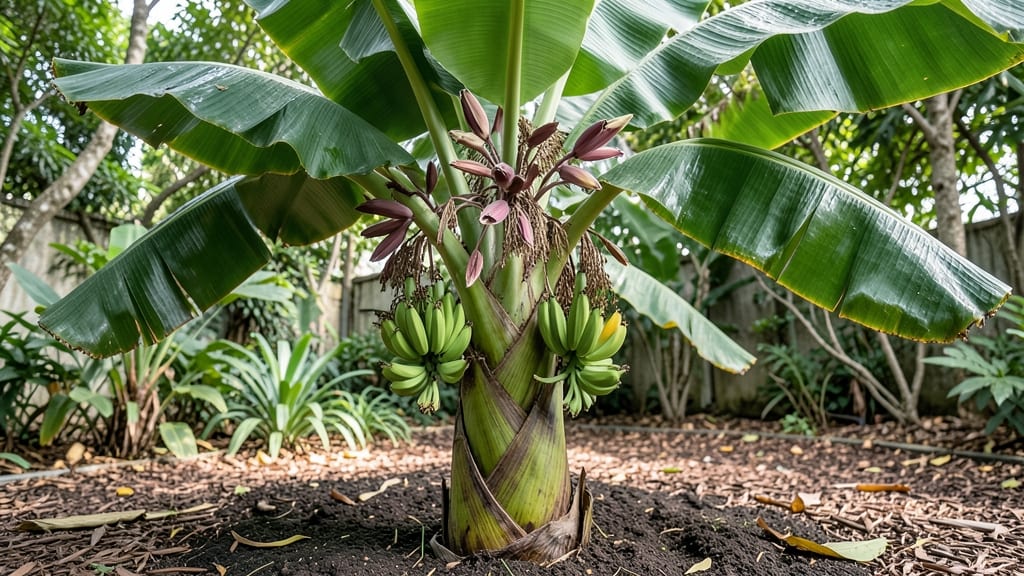
If you’ve ever wondered how tall does a banana plant grow, you’re not alone—these tropical giants can reach heights that will make your garden feel like a jungle escape. 🍌 The truth is, banana plants aren’t just tall; they’re architectural marvels, with some varieties towering over 25 feet like a living skyscraper.
But here’s the catch: not all banana plants are created equal. Dwarf varieties stay compact at just 6–10 feet, perfect for containers or small spaces, while standard types stretch toward the sky.
Whether you’re dreaming of a backyard harvest or a balcony-friendly tropical accent, understanding the height potential is the first step to success.
Growing conditions play a huge role in how tall your banana plant becomes. Sunlight, soil nutrients, and even your climate zone can push a plant toward its maximum height—or keep it more manageable.
I’ll break down the science behind it and show you how to nurture your plant to its full potential (or rein it in if space is tight).
Ready to learn how to grow a banana plant that fits your space? Let’s dive into the varieties, care tips, and tricks to keep your tropical friend thriving—no matter how tall it dreams of growing.

Banana plant heights by variety: from dwarf to giant species
When I first started growing banana plants, I was amazed by how quickly they shoot up—sometimes 3–6 feet in just the first year. But here’s the surprise: most varieties don’t stop there.
In ideal conditions, banana plants can reach stunning heights of 12–25 feet, making them one of the tallest edible plants you can grow in your garden. The key difference? Variety.
Some stay compact enough for containers, while others become towering giants that need staking or even dedicated garden space.
Bananas are often mistaken for trees, but they’re actually giant herbs with no true woody stem—just a thick pseudostem made of tightly packed leaves. This unique structure lets them grow vertically without the support of a tree trunk.
Their height potential is influenced by genetics, care, and environment, so choosing the right variety for your space is crucial. Whether you have a small balcony or a sprawling backyard, there’s a banana plant that’ll fit.
Here’s a quick look at how heights vary by type:
| Variety | Mature Height | Growth Notes |
|---|---|---|
| Dwarf Cavendish | 10–12 ft | Best for containers; popular for home gardens |
| Lady Finger (Dwarf) | 12–16 ft | Sweet, small bananas; needs staking |
| Red Dacca | 14–18 ft | Large, red-skinned bananas; aggressive grower |
| Ice Cream Banana | 10–14 ft | Edible fruit and flowers; compact for its type |
| Musa acuminata (Wild) | 20–25+ ft | Rare; giant, hardy, and invasive in some regions |
If you’re growing bananas in containers or small spaces, dwarf varieties like the Dwarf Cavendish or Lady Finger are perfect—they top out around 10–16 feet, making them manageable with proper staking.
But if you’re in a tropical climate with plenty of room, standard varieties can reach 18–25 feet, rivaling small trees. That said, even the tallest bananas have a limited lifespan of 5–7 years—they flower once, fruit, and then die back, making room for new shoots from the rhizome.
The height of your banana plant also depends on its growth stage. Young plants focus on leaf production, while mature plants divert energy to flowering and fruiting. During this phase, you’ll see a dramatic spike in height as the plant prepares to bear fruit.
For example, a Dwarf Cavendish might stay under 6 feet for its first year but shoot up to 10–12 feet by its second year when it’s ready to flower. This rapid growth is why many gardeners use stakes or trellises to support the pseudostem and prevent it from toppling over.
One common misconception is that all banana plants grow equally tall. In reality, the difference between a dwarf variety and a giant species can be 15 feet or more.
For instance, the Ice Cream Banana stays around 10–14 feet, while the Red Dacca can easily exceed 16 feet.
If you’re growing bananas in USDA Zones 10–12, you’ll have the best luck with taller varieties, but even in cooler zones, dwarf types can thrive in large containers with winter protection. The key is matching the variety to your space and climate.
For those in small urban gardens or apartments, I recommend starting with a Dwarf Cavendish or Ice Cream Banana. These varieties are forgiving, productive, and won’t overwhelm your space. Plus, their smaller stature makes them easier to manage indoors with grow lights.
If you’re in a rural or tropical setting, you might experiment with taller varieties like Red Dacca or even wild Musa species, but be prepared for their massive size and the need for regular pruning and support.
Pro tip: If you’re curious about how your banana plant will grow, keep an eye on the leaf size and spacing. Larger leaves and wider spacing between them often indicate a taller variety. Also, pay attention to the rhizome size—larger rhizomes typically produce taller plants.
With the right variety and care, you can enjoy bananas that are not only delicious but also a stunning focal point in your garden.
🌱
Factors that influence banana plant height: climate, soil, and care
If you’ve ever wondered why your banana plant seems to grow at different rates—or why some neighbors’ plants tower over yours—it’s not just about the variety. The environmental factors you control (or can’t control) play a massive role in determining how tall your banana plant will grow.
Sunlight, temperature, soil quality, and even watering habits can push a plant toward its maximum height or keep it more manageable. For example, a Dwarf Cavendish might stay under 10 feet in a cool climate but shoot up to 14 feet in a tropical setting.
One of the biggest influences on height is sunlight exposure. Banana plants thrive in full sun (6+ hours daily), but too much direct heat—especially in desert climates—can stress the plant and stunt its growth.
In contrast, partial shade in hot afternoons can actually encourage taller, leaner growth as the plant stretches toward available light.
If you’re growing bananas in containers or urban settings, positioning them near a south-facing window or under grow lights (12+ hours/day) can mimic tropical conditions and promote healthy height development.
🌡️ Temperature is another critical factor. Banana plants are tropical and prefer warmth year-round (70–85°F). In cooler climates (USDA Zones 9 or below), growth slows dramatically, and plants may never reach their full height potential.
For instance, a Lady Finger banana in Zone 10 might hit 16 feet, but the same variety in Zone 8 could struggle to exceed 10 feet without winter protection. If you’re in a cooler zone, consider growing dwarf varieties in large containers that you can move indoors during winter.
Soil nutrients also directly impact height. Banana plants are heavy feeders, especially when flowering and fruiting. A deficiency in potassium or phosphorus can lead to stunted growth, yellowing leaves, and weak stems. For optimal height, use a balanced fertilizer (10-10-10 or 8-3-9) every 4–6 weeks during the growing season.
In my garden, I’ve seen Red Dacca bananas grow 30% taller when fertilized with extra potassium compared to plants that received only nitrogen-heavy feeds.
Watering habits matter too. Banana plants need deep, frequent watering—especially in containers—because their large leaves transpire a lot of moisture. In outdoor settings, watering every 3–5 days (or more in heatwaves) ensures steady growth.
However, overwatering can lead to fungal issues like sigatoka leaf spot, which weakens the plant and reduces its height potential. Always water in the morning to give leaves time to dry, and mulch around the base to retain moisture.
Finally, pruning and staking can indirectly influence height by supporting the plant’s structure. Without proper support, tall varieties like Musa acuminata can topple over, wasting energy on recovery instead of growth.
Staking the pseudostem early—especially in windy or rainy climates—helps the plant channel its energy upward, leading to taller, stronger growth. In my experience, staked plants often grow 1–2 feet taller than unstaked ones because they don’t waste energy bracing against wind or rain.
🌿