
Plants
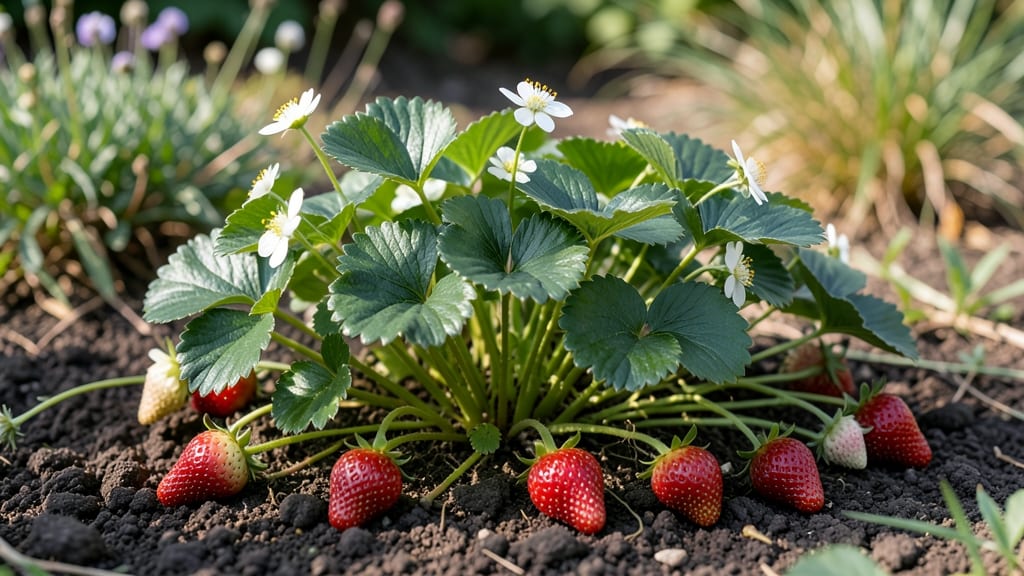
If you’ve ever wondered how tall does a strawberry plant grow before committing to a garden bed or container, the answer might surprise you—these little powerhouses pack big flavor in surprisingly small packages.
While most varieties stay between 6 and 12 inches tall, some can stretch toward 24 inches depending on the type and care, making them perfect for everything from window boxes to raised beds.
June-bearing strawberries like the classic 'Chandler' often reach their full height by summer, while everbearing types such as 'Albion' stay more compact, ideal for small spaces.
The key to managing their growth lies in understanding your variety and how you plan to grow them—whether in-ground, in hanging baskets, or even vertical towers.
Whether you’re dreaming of a neat, low-profile garden or a lush, sprawling patch, knowing how tall your strawberries will grow helps you space them just right for maximum yield.
Plus, a little pruning or trellising can keep them tidy while boosting fruit production—no more guessing if your plants will outgrow their spot.
Let’s break down the height differences between varieties, how to control growth for your space, and the common mistakes that can make your strawberries either too leggy or stunted. By the end, you’ll know exactly how to plan for 🍓 success—no matter how much (or little) room you’ve got.

Strawberry plant height by variety: June-bearing vs. everbearing vs. perennial
Strawberry plants are surprisingly versatile when it comes to height, with some varieties reaching 24 inches while others stay compact at just 8 inches. The key difference lies in their growth habit—whether they're June-bearing, everbearing, or perennial types.
Understanding these distinctions helps you choose plants that fit your space and gardening goals perfectly.
June-bearing varieties, like the popular 'Chandler' or 'Jewel', tend to grow the tallest, often reaching 18-24 inches at maturity. These plants produce one massive harvest in early summer but require more space to sprawl.
Everbearing types, such as 'Seascape' or 'Albion', typically stay shorter at 12-18 inches and offer multiple harvests throughout the season.
Perennial varieties, like 'Ozark Beauty', are the most compact, rarely exceeding 10-12 inches in height. They're ideal for containers, small gardens, or even hanging baskets. The right variety can transform your space—whether you're working with a balcony garden or a large backyard.
If you're growing strawberries in containers, opt for dwarf varieties like 'Tristar' or 'Ozark Beauty'. These stay under 10 inches and thrive in 5-gallon pots with proper drainage. For in-ground planting, everbearing types like 'Seascape' (18 inches) strike a balance between height and productivity.
Height isn't just about aesthetics—it affects yield and maintenance. Taller varieties may need staking or trellising to keep berries off the ground, while shorter plants are easier to harvest.
For example, 'Chandler' (24 inches) benefits from a wire trellis, while 'Albion' (12 inches) can sprawl naturally in a raised bed.
Another factor is spreading habit. June-bearing types send out long runners, increasing their effective "height" in the garden. Everbearing varieties, however, produce fewer runners and stay more contained. This makes them ideal for urban gardens where space is limited.
For vertical gardening, consider training strawberries up a cattle panel trellis or hanging fabric pockets. This not only saves space but also improves air circulation, reducing disease risk. Even tall varieties like 'Jewel' can be managed vertically with proper support.
One common misconception is that all strawberries need full sun to reach their maximum height. While sunlight is critical for growth, partial shade can actually reduce height in hot climates, making plants more manageable.
In Zone 9 or 10, everbearing types like 'Seascape' often grow shorter when given afternoon shade.
When planning your strawberry patch, consider both mature height and spreading width. A 24-inch-tall June-bearer like 'Chandler' might need 2 feet of space in all directions, while a 6-inch-tall perennial like 'Tristar' can thrive in a 12-inch pot. Always check the plant tag for specific spacing recommendations.
Pro tip: If you love the flavor of tall June-bearing varieties but lack space, try 'Seascape' (18 inches) or 'Ozark Beauty' (12 inches) for a compromise. These everbearing types produce multiple harvests while staying shorter and more manageable.
How to control strawberry plant height for compact gardens
If you're working with limited space—whether it's a small balcony, container garden, or tight backyard—you can absolutely grow strawberries without them sprawling everywhere. The key is choosing the right varieties and using height-control techniques like pruning and trellising.
Even standard varieties can be managed to stay compact with the right approach.
For ultra-compact gardens, opt for dwarf varieties like 'Tristar' (10 inches) or 'Ozark Beauty' (12 inches), which are perfect for hanging baskets or window boxes. These varieties naturally stay low, making them ideal for urban gardening or small patios.
🌱 Visual Tip: Use vertical space with trellises or wire frames to guide runners upward. This keeps the plant's main body low while allowing fruit to hang at eye level for easy harvesting.
🌿 Top 4 Ways to Manage Strawberry Plant Height
- Prune runners regularly to prevent sprawling. Use clean scissors to trim runners 6 inches from the plant.
- Install a simple wire trellis (12-18 inches tall) to support vertical growth. Secure runners with soft ties.
- Choose container-friendly varieties like 'Albion' (12 inches) or 'Seascape' (18 inches) for pots.
- Use mulch (straw or pine needles) to suppress weeds and keep the plant's energy focused on fruit production.
For hanging baskets, select everbearing varieties like 'Seascape', which thrive in suspended containers. The basket’s depth helps contain roots while allowing runners to cascade downward—just prune aggressively to maintain a tidy shape.
💧 Pro Tip: Overhead watering can cause runners to spread. Instead, use a drip irrigation system or water at the base to keep the plant’s energy directed upward.
Even if you’re growing standard-height varieties like 'Chandler' (24 inches), you can train them to stay shorter by pinching back the tips of new growth. This encourages bushier, more compact plants while still producing abundant fruit.
With these techniques, you can enjoy lush strawberry plants—even in the smallest of spaces—without sacrificing yield or aesthetics. 🪴