
How To
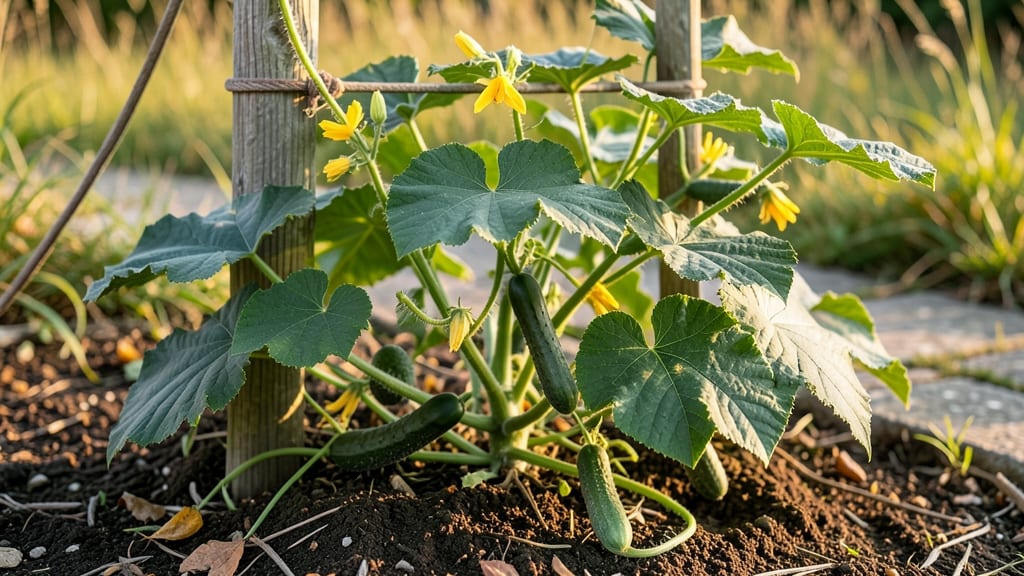
If you’ve ever wondered how tall does cucumber plant grow before committing to your garden plan, the answer might surprise you—these 🥒 powerhouses can stretch from barely waist-high to towering over your fence if left unchecked.
Most gardeners assume all cucumbers sprawl wildly, but the truth is far more flexible. Vining varieties like 'Straight Eight' can climb 15 to 25 feet when given a trellis, while compact bush types like 'Bush Champion' stay neatly contained at just 1 to 3 feet.
This difference isn't just about space—it's about maximizing your harvest without sacrificing your yard.
What you might not realize is that even the tallest cucumbers can be tamed with the right techniques. Whether you're working with a small balcony or a sprawling backyard, understanding these growth patterns is the key to avoiding overcrowding and pests while boosting your yield.
Let’s break down the best approaches for your garden setup.
From choosing the right variety to mastering trellising and pruning, you’ll discover how to control cucumber growth—no matter how much (or little) space you have. The secret to a thriving harvest starts with knowing exactly what to expect from your plants.

Cucumber plant height by type: vining vs bush varieties explained
When planning your garden, knowing how tall does cucumber plant grow is crucial because the wrong choice can turn your backyard into a tangled mess—or worse, a disappointment.
Vining cucumbers, like the classic 'Straight Eight', can reach 15 to 25 feet if given the freedom to sprawl, while bush varieties like 'Bush Champion' stay neatly under 3 feet. This isn’t just about aesthetics; it’s about yield, space efficiency, and even pest control.
The difference between these types comes down to genetics and training. Vining cucumbers grow along the ground or climb supports, while bush varieties produce all their fruit within a compact frame. If you’ve ever seen cucumbers overtaking your garden like a jungle, you’re likely dealing with an unchecked vining type.
But with the right approach, even the tallest cucumbers can be managed beautifully.
For example, 'Marketmore 76' vines can stretch 10 to 15 feet without support, while 'Spacemaster' bush varieties max out at just 2 feet. This means your choice directly impacts how you’ll design your garden layout, what support structures you’ll need, and even how much maintenance you’ll face.
Let’s dive into the specifics so you can pick the perfect fit for your space.
If you’re working with limited space, bush cucumbers are your best bet. They require minimal training and fit neatly into containers or tight garden beds. For example, 'Bush Early Green' produces 10–15 cucumbers per plant in a space no larger than a standard flower pot.
This makes them ideal for balconies, patios, or even windowsills with enough sunlight.
On the other hand, vining cucumbers thrive when given vertical space. A 10-foot trellis can support 'Straight Eight' vines, keeping them off the ground and out of the way. This not only saves space but also reduces the risk of soil-borne diseases and pests like squash bugs.
Plus, vertical growth makes harvesting easier—no more bending over or navigating tangled vines!
One common misconception is that taller cucumbers always produce more fruit. While vining types can yield 20–30 cucumbers per plant in ideal conditions, bush varieties often mature faster and produce consistently in smaller spaces.
For instance, 'Spacemaster' yields 8–12 cucumbers per plant but does so without the need for trellising or sprawling.
Choosing the right type also depends on your climate. In cooler regions, bush varieties may outperform vining types because they mature quicker and avoid the stress of long, sprawling growth.
Meanwhile, in warm climates, vining cucumbers can take full advantage of extended growing seasons. Always check your local USDA hardiness zone and average frost dates to pick the best fit.
Pro tip: If you love the idea of vining cucumbers but lack space, consider compact vining varieties like 'Sweet Success' or 'Spacemaker'. These grow 6–10 feet tall but produce fruit along a shorter vine, making them perfect for small gardens or even large containers with sturdy supports.
Finally, remember that even the tallest cucumbers can be trained to fit your space. With the right trellis or cage, you can transform a sprawling vine into a neat, vertical garden that maximizes your harvest without sacrificing your yard.
The key is starting with the right variety and giving it the support it needs from day one.
Cucumber plant height by type: vining vs bush varieties explained
Understanding how tall does cucumber plant grow starts with recognizing the two main growth habits: vining and bush varieties. These differences aren’t just about aesthetics—they directly impact your garden’s layout, yield potential, and even pest control.
Vining cucumbers, like the classic 'Straight Eight', can reach 15 to 25 feet when given proper support, while bush varieties like 'Bush Champion' stay compact at just 1 to 3 feet. The choice between them often comes down to your available space and desired maintenance level.
For gardeners with limited space, bush varieties are a game-changer. They eliminate the need for trellises or cages, making them ideal for containers, small balconies, or tight garden beds. However, vining types often produce more fruit per plant and are better suited for larger gardens or vertical growing systems.
The key is matching your variety to your garden’s constraints while maximizing productivity.
| Variety Type | Height Range | Space Needs | Best For |
|---|---|---|---|
| Vining (e.g., 'Straight Eight') | 15–25 ft (with trellis) | 6–12 ft row spacing | Large gardens, trellises |
| Semi-Dwarf (e.g., 'Spacemaster') | 6–10 ft (with support) | 3–5 ft row spacing | Small gardens, containers |
| Bush (e.g., 'Bush Champion') | 1–3 ft (compact) | 1–2 ft row spacing | Containers, tight spaces |
One common misconception is that all cucumbers need sprawling space. In reality, semi-dwarf varieties like 'Spacemaster' bridge the gap between vining and bush types, reaching 6 to 10 feet with minimal support. These hybrids are perfect for gardeners who want the productivity of vining types without the space demands.
They thrive in 3 to 5 feet of row spacing, making them ideal for raised beds or small plots.
When selecting varieties, also consider your climate. In cooler regions, bush types mature faster and produce fruit earlier, while vining varieties excel in warm, long-growing seasons. For example, 'Straight Eight' thrives in USDA Zone 4+ but may require extra protection in colder areas.
Always check seed packets for days to maturity to align with your frost dates and ensure a successful harvest.
Another factor influencing height is pruning. Regularly trimming vining cucumbers can reduce their spread by up to 30%, while leaving them unpruned encourages maximum growth. Bush varieties, however, benefit from minimal pruning—over-trimming can stress the plant and reduce yield.
The goal is to strike a balance between control and productivity, whether you're working with a sprawling vine or a compact bush.
If you're still unsure which type to choose, start with a mix. Plant a few bush varieties in containers near your patio and a vining type on a trellis in a corner of your garden.
This way, you can compare yields, space efficiency, and maintenance requirements firsthand. The right variety isn’t just about height—it’s about creating a thriving, manageable harvest that fits your lifestyle.