
Plants
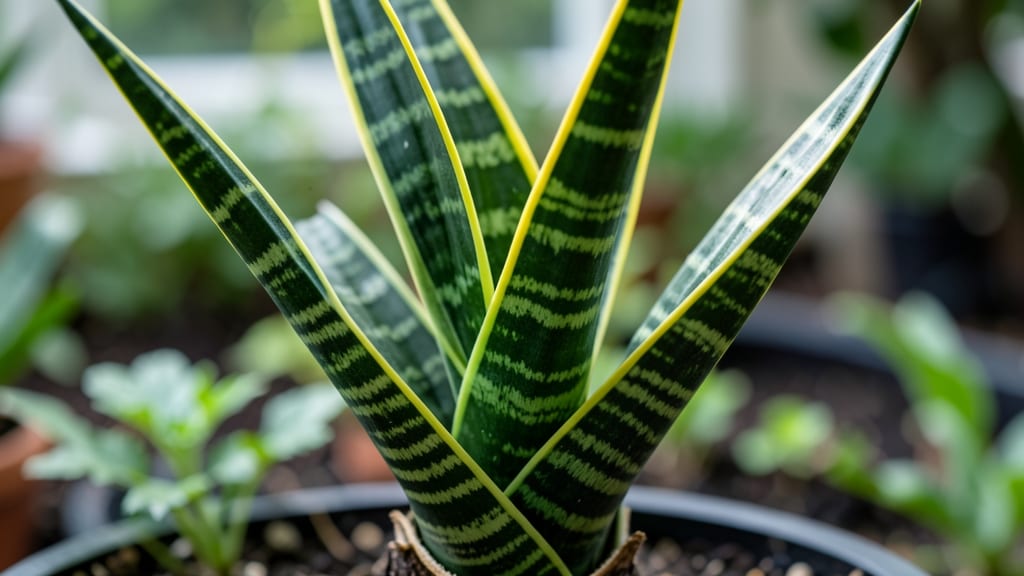
If you're wondering how tall will a snake plant grow, the answer might surprise you—some varieties stay compact while others can stretch toward the ceiling.
This resilient 🌱 plant thrives in USDA Zone 6a and beyond, but its height depends on the specific type you’ve chosen and how you care for it.
Whether you’re growing a standard snake plant that can reach 3-4 feet or a dwarf variety staying under 1-2 feet, understanding these differences is key. The right balance of light, water, and soil can either encourage that towering growth or keep it manageable for smaller spaces.
In this guide, I’ll break down the exact height ranges for popular varieties and share practical tips to control your plant’s size. From pruning techniques to ideal pot sizes, you’ll learn how to shape your snake plant’s growth to fit your home perfectly.
Ready to discover the secrets behind your snake plant’s height potential? Let’s dive into the details so you can enjoy a thriving, well-sized plant year-round.

Snake plant height by variety: exact growth expectations for each type
Snake plants (Sansevieria trifasciata and related varieties) are prized for their striking foliage and resilience, but their mature height varies dramatically depending on the cultivar. The classic Mother-in-Law’s Tongue can reach 3-4 feet tall indoors, while newer varieties like Moonshine stay more compact at 1.5-2.5 feet.
Understanding these differences helps you choose the right variety for your space and growth goals.
Outdoor-grown snake plants typically grow 20-30% taller than their indoor counterparts due to better light exposure and space. For example, a Black Gold variety might max out at 2.5 feet indoors but stretch to 3.5 feet outdoors.
Let’s break down the exact height expectations for popular varieties and how to achieve their ideal growth patterns.
🌱
Light exposure is the single biggest factor influencing your snake plant’s height. In low-light conditions, plants grow taller and leggier as they stretch toward available light—a phenomenon called etiolation. This is why indoor plants often outgrow their outdoor counterparts when placed far from windows.
For optimal growth, position your snake plant within 3-6 feet of a north or east-facing window.
Soil quality also plays a crucial role. Snake plants thrive in well-draining, sandy soil mixes that prevent root rot. A heavy, clay-based soil can stunt growth or cause the plant to grow unevenly tall as it struggles to establish roots.
Mix cactus or succulent soil with perlite or pumice for the best results. This ensures nutrients are available without waterlogging the roots.
🌿
If you’re growing snake plants outdoors in USDA Zones 9-11, they can become perennial additions to your landscape, reaching their full height over 3-5 years. In colder zones, treat them as container plants and bring them indoors before the first frost.
This protects their roots and allows you to control their growth height more precisely.
For indoor growers, pot size matters. A snake plant in a too-large container will focus energy on filling the pot rather than growing taller. Use a pot that’s only 1-2 inches wider than the plant’s root ball.
This encourages vertical growth while maintaining a manageable height. Repot every 2-3 years or when roots emerge from drainage holes.
🪴
How to control snake plant height: pruning, repotting, and light tips
Managing your snake plant’s height starts with understanding its natural growth patterns. While some varieties like ‘Black Gold’ can reach 3-4 feet, others like ‘Hahnii’ stay under 1 foot.
The key is balancing light exposure, pot size, and pruning techniques to guide growth in the direction you prefer.
If your plant is stretching toward the ceiling, it’s likely reaching for more bright indirect light. Snake plants grow taller when they’re root-bound or lack sufficient sunlight. Adjusting these factors can help you maintain a compact, bushy shape instead of a leggy tower.
Here’s how to control your snake plant’s height effectively:
Remember, snake plants grow slowly, so changes in height will be gradual. With consistent care, you can keep your plant at your desired height—whether that’s a tall statement piece or a compact desk companion. The right balance of light, pruning, and pot size is all you need!
For outdoor snake plants, monitor growth closely during spring and summer. They may grow faster outdoors due to natural light and temperature fluctuations. If your plant starts to outgrow its space, consider transplanting to a larger container or pruning back to maintain control.
🌱