
Planting
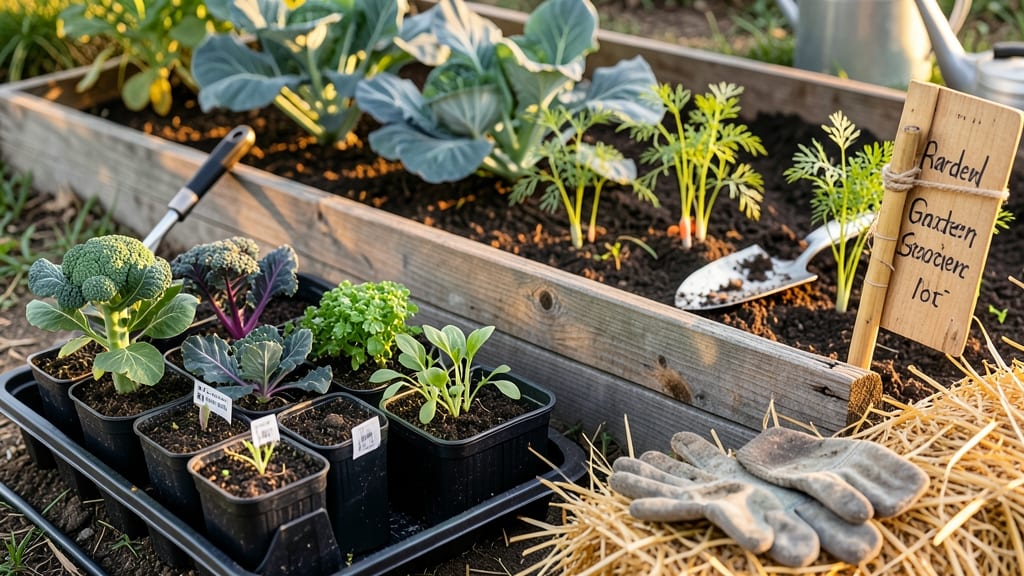
Planting a fall garden in Texas isn’t just about timing—it’s about outsmarting the heat and frost. One wrong move, and your hard work could wilt under scorching September sun or freeze before harvest.
But with the right strategy, you can grow thriving vegetables from late summer all the way through December, even in Zone 8-10 climates.
Most gardeners assume fall planting means waiting for cooler weather, but Texas’s unique microclimates demand a different approach.
Whether you’re in North Texas’s cooler hills or South Texas’s balmy coast, the key is planting heat-tolerant crops early—like okra and sweet potatoes—while saving cool-season greens for late August or early September. This way, you avoid the brutal 100°F+ soil that can stunt young plants.
I’ve tested these methods across Texas’s regions, and the results speak for themselves: zero-frost-risk crops like kale, carrots, and broccoli thrive when planted at the perfect window. The secret?
Understanding your local frost dates and soil temperatures—because a 5-day difference in planting can mean the difference between a bountiful harvest and a sad, wilted disappointment.
Ready to turn your Texas garden into a fall oasis? I’ll break down the exact weeks to plant, the best crops for your microclimate, and how to stretch your growing season—even when the weather tries to throw you off track. Let’s get started.
Texas fall planting calendar by microclimate: zero-frost risk zones
Texas’s diverse climate zones mean your fall planting window can vary by hundreds of miles. In North Texas, cooler temps arrive earlier, while South Texas enjoys warm soil well into October. Understanding these microclimate differences helps you avoid heat stress or frost damage to your crops.
For zero-frost-risk crops like kale, broccoli, and carrots, timing is critical. Plant too early, and your seedlings bolt in 90°F+ heat. Too late, and a 28°F freeze wipes out your harvest. The key? Align your planting with soil temperatures and historical frost dates for your region.
Here’s your region-specific planting calendar for fall vegetables in Texas, broken down by North, Central, and South zones. These windows maximize your harvest window while minimizing heat or frost risks.
Notice how South Texas can plant 6 weeks later than North Texas? That’s because soil stays warm longer in the southern regions. Use a soil thermometer ($10 at garden centers) to confirm temps before planting. Aim for 60°F+ for most cool-season crops—any cooler, and germination slows dramatically.
For heat-tolerant crops like okra or sweet potatoes, you can push planting into late August in South Texas. But for delicate greens like lettuce, wait until soil temps drop below 85°F to avoid bolting.
Pro tip: Shade cloth (30-50%) can buy you 2-3 extra weeks of planting in hot zones.
Don’t rely solely on calendar dates. Check local frost alerts from the National Weather Service or your county extension office. For example, a 2022 freeze in Midland hit Nov 12, catching many gardeners off guard. Bookmark Meteorological Service of Canada or Texas A&M AgriLife for real-time updates.
If you’re in transition zones (like Waco or College Station), split your planting into two batches. Start heat-tolerant crops in late August, then add cool-season varieties in mid-September. This staggered approach ensures a continuous harvest from October to December.
For container gardening, adjust your timeline by 1-2 weeks earlier. Pots cool faster than in-ground soil, so plant cool-season crops when your neighbors are still prepping for summer. Use black plastic mulch to warm soil in containers if you’re pushing late-season planting.
Remember: Succession planting is your secret weapon. Instead of one big September sowing, make small weekly batches of fast growers like radishes or turnips. This keeps your harvest table stocked and reduces pest pressure from overcrowding.
With these microclimate-specific windows, you’ll avoid the two biggest Texas fall gardening mistakes: planting too early (heat stress) or
Best fall crops for Texas gardens: heat-tolerant vs. cool-season varieties
Texas’s fall garden thrives when you match crops to your region’s heat patterns. In North Texas, where nights cool faster, focus on cool-season greens like kale and broccoli. Meanwhile, Central and South Texas can handle heat-tolerant varieties like okra and sweet potatoes well into November.
Your soil’s ideal temperature for fall planting is between 60-75°F. Test it with a soil thermometer—if it’s above 80°F, opt for heat-resistant seeds like collard greens or turnips. These varieties thrive even as daytime temps linger in the 80s°F.
For North Texas gardeners, prioritize broccoli, cabbage, and carrots—they handle the region’s earlier frosts better than other cool-season crops. In Central Texas, add radishes and spinach to your list, while South Texas can push the limits with black-eyed peas and cowpeas.
Top Fall Crops by Texas Region
Don’t overlook herbs like cilantro and parsley—they grow well in fall’s cooler temps. Plant them in partial shade to avoid bolting from residual summer heat. For South Texas, consider long-season tomatoes like Celebrity or Better Boy—they’ll produce until frost if planted in late August.
Succession planting is key for fall gardens. Sow fast-maturing crops like radishes every 2 weeks to ensure a steady harvest. In North Texas, your last planting window for most cool-season crops is mid-October, while South Texas can extend it to early November.
Always check seed packets for days to maturity—this determines your planting window. For example, broccoli needs 70-80 days to harvest, so plant it by September 1st in North Texas to avoid frost. Adjust for your region’s last frost date using the Texas A&M AgriLife Extension frost maps.