
Plants
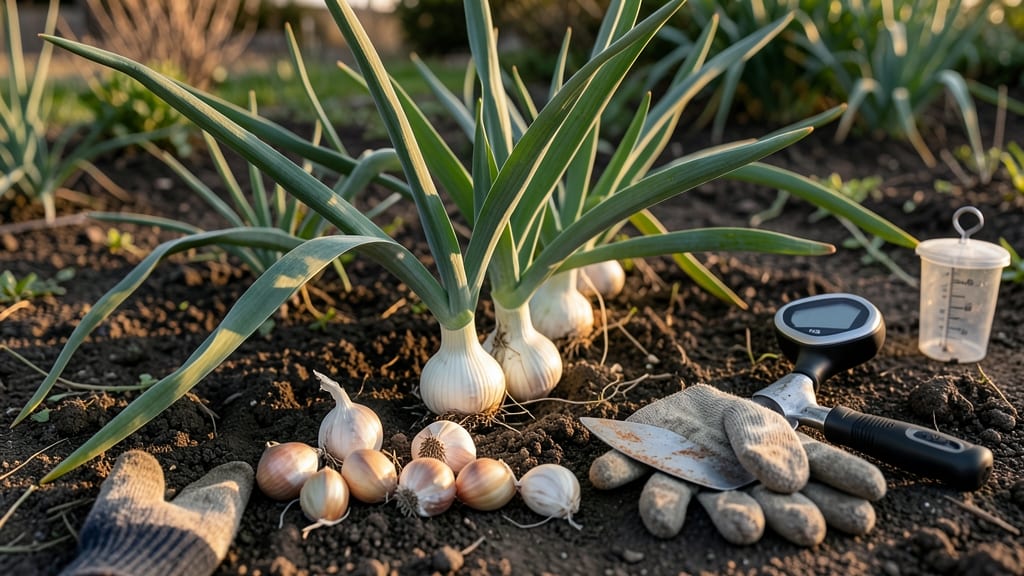
Planting garlic in Georgia at the wrong time can mean the difference between a bumper crop of flavorful bulbs and a wasted season. The key to success lies in timing—specifically, a fall planting window that aligns with your local climate and USDA zone.
For Georgia gardeners in zones 7a-8b, the ideal time to plant 🧄 is between October and November, when soil temperatures drop but before the ground freezes. This timing ensures strong root development over winter, setting the stage for a productive spring harvest.
Why does this matter? Because garlic planted too late may not establish roots before cold sets in, while early planting risks bolting or poor bulb formation. I’ll walk you through the exact steps to prepare your soil, choose the right cloves, and avoid common mistakes that can ruin your harvest.
Whether you're a seasoned gardener or new to growing garlic, mastering these techniques will give you the confidence to plant with precision—and reap the rewards of homegrown flavor in April or May.
Best fall planting dates for Georgia garlic by hardiness Zone
Georgia’s USDA Zones 7a-8b create ideal conditions for growing hardneck and softneck garlic, but timing is critical. Planting too early can trigger premature sprouting, while late planting risks frost damage before roots establish.
The sweet spot? 4-6 weeks before the first hard frost, typically between mid-October and early November.
In Zone 7a (northern Georgia, like Dahlonega or Blairsville), aim for October 15-31—soil temps should hover around 60°F but not exceed 70°F. For Zone 8a/8b (central/southern Georgia, like Macon or Savannah), extend your window to November 1-15, as milder winters allow later planting.
🌱 Pro Tip: Use the moon’s rooting phase (last quarter) for stronger bulb formation. Check local frost dates via Georgia Weather Network or Almanac’s Frost Calculator to fine-tune your schedule.
| Zone | Ideal Planting Window | Soil Temp Threshold | Key Locations |
|---|---|---|---|
| 7a | October 15–31 | 55–65°F | Dahlonega, Blairsville, Blue Ridge |
| 7b | October 20–November 5 | 58–68°F | Athens, Gainesville, Madison |
| 8a | October 25–November 10 | 60–70°F | Macon, Columbus, Augusta |
| 8b | November 1–15 | 62–72°F | Savannah, Brunswick, Valdosta |
📅 Plant garlic when soil temps are <68°F but above 55°F for best root growth.
Georgia’s humid subtropical climate means soil moisture plays a bigger role than in drier regions. After planting, mulch with 4–6 inches of straw or leaves to retain moisture and insulate roots during winter temperature swings.
In Zone 8b, where winters are milder, you can push planting to early November—but avoid December entirely, as rainy, mild winters can rot cloves.
For hardneck varieties (like ‘Music’ or ‘Silverskin’), prioritize earlier planting (October) to ensure scapes production in spring. Softneck types (e.g., ‘Artichoke’) are more flexible and tolerate later November dates in Zone 8a/8b, but yields may suffer if planted after November 15.
🌡️ Critical Tip: Test soil temps with a soil thermometer—garlic roots need consistent temps below 70°F to establish. If temps spike above 75°F after planting, cloves may sprout prematurely and bolt.
Don’t overlook companion planting to protect your garlic. Interplant with onions, lettuce, or thyme to deter garlic bulb fly, a common Georgia pest. Avoid planting near beans or peas, which compete for nutrients and can stunt bulb growth.
🌿 Regional Note: Coastal Georgia (e.g., Savannah) has warmer winters and higher humidity. If planting in Zone 8b, opt for softneck varieties and plant no later than November 10 to prevent fungal diseases like white rot.
Finally, mark your calendar for spring harvest—Georgia garlic is typically ready by late April to early May, just as spring rains begin. Early harvests in Zone 7a may occur in mid-April, while Zone 8b harvests can extend into June for softnecks.
Best fall planting dates for Georgia garlic by hardiness Zone
Georgia’s USDA zones 7a-8b create a unique window for garlic planting, where soil temperature and frost timing dictate success. Unlike northern climates, our mild winters allow for a 6-week planting window—but miss it, and your crop may struggle. Here’s the breakdown:
The ideal planting window spans from mid-October to early November, when daytime temps hover around 70°F and nighttime dips toward 50°F. This timing ensures roots establish before winter dormancy.
For zone 7a (north GA), aim for October 15-30, while zone 8b (south GA) can extend until November 10.
Soil temperature is your best guide: plant when it consistently sits between 50°F-60°F. Use a soil thermometer to avoid guessing. Pro tip: Moon phases matter too—planting during a waxing moon (root growth phase) boosts bulb development.
🌱
Miss the window? Zone 7a gardeners can try early September for hardneck varieties, but softnecks (like Silverskin) tolerate later plantings up to December 1. Just expect smaller bulbs. Always prioritize root establishment over late-season growth.
For coastal Georgia (zone 8b), watch for humidity spikes—planting too late increases fungal diseases like white rot. Elevate beds or use well-draining soil mixes to mitigate risks.
🌿