
Plants
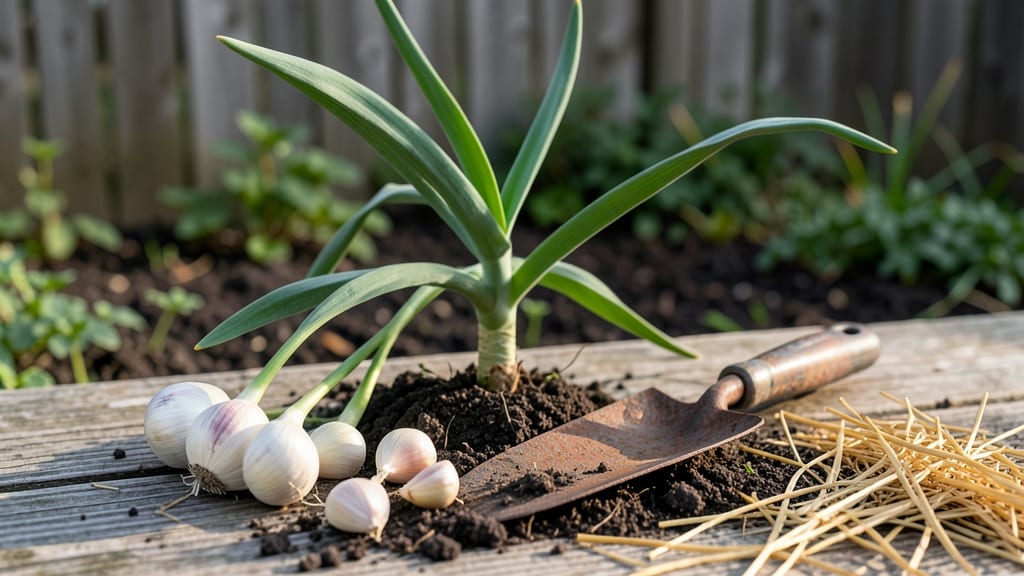
Planting garlic in Missouri at the wrong time means risking frost damage or small, weak bulbs—neither of which you want when you’re dreaming of fresh, flavorful harvests.
The key to success lies in understanding your USDA Zone 5b-6b frost dates and planting cloves 4-6 weeks before the ground freezes, typically between October and November.
Why does timing matter so much? Garlic needs cold exposure to develop properly, but too much frost too early can kill your plants before they establish roots.
Missouri’s unpredictable winters make this even trickier, which is why knowing the exact window—and how to protect your cloves—is the game-changer for a bountiful harvest.
In this guide, I’ll walk you through the ideal planting schedule, soil prep tips, and organic mulching strategies tailored to Missouri’s climate.
Whether you’re a seasoned gardener or a first-timer, these steps will help you avoid common mistakes and grow garlic that’s plump, flavorful, and ready by late June or July.
Ready to turn your garden into a garlic powerhouse? Let’s get started with the exact timing and techniques that work in Missouri’s unique growing conditions.
Missouri’s ideal garlic planting window by frost dates
Missouri’s USDA Zones 5b-6b create a unique challenge for garlic growers. Unlike spring-planted crops, garlic thrives when planted in fall, giving it time to establish roots before winter. The key is planting 4-6 weeks before the first hard frost, which typically hits mid-October in most regions.
This timing ensures your cloves root deeply before the ground freezes—critical for surviving Missouri’s unpredictable winters.
For hardneck varieties (like Music or German Red), aim for October 1-15. These varieties need cold exposure to form bulbs. Softneck varieties (like Silverskin) can tolerate slightly later planting, but still by November 1 at the latest.
Planting after this window risks shallow roots and poor winter survival.
Missouri’s soil temperature also plays a role. Ideal planting soil should be 40-50°F. Use a soil thermometer to check—if temps drop below 40°F, delay planting until conditions improve. Cold soil can stunt root growth, leaving your garlic vulnerable to frost heave (when soil freezes and lifts plants).
Don’t overlook microclimates in Missouri. Southern regions (like Southeast MO) may have 2-3 extra weeks of planting time compared to northern areas (like Northeast MO). Use your local Cooperative Extension Service frost date data to fine-tune your schedule.
For example, Columbia averages its first frost on October 20, while Kansas City sees it around October 10.
Missouri’s Frost-Date Hack: Subtract 6 weeks from your average first hard frost date to calculate your planting window. Add 2-3 weeks of buffer time for cooler-than-average years. This method accounts for Missouri’s variable weather patterns and ensures your garlic has time to root before winter sets in.
Here’s how Missouri’s frost dates translate to planting windows for both hardneck and softneck varieties:
| Variety Type | Ideal Planting Window (MO) | Soil Temp Requirement | Key Consideration |
|---|---|---|---|
| Hardneck (e.g., Rocambole, Porcelain) | October 1–15 | 40–50°F | Needs cold for bulb formation |
| Softneck (e.g., Artichoke, Silverskin) | October 15–November 1 | 40–50°F | More frost-tolerant; later planting OK |
| Elephant Garlic (e.g., Inchelium Red) | October 1–31 | 45–55°F | Larger cloves need longer rooting time |
| All Varieties (Emergency Late Planting) | December 1 (with heavy mulch) | Above freezing | Reduced yield; not recommended |
Missouri’s soil type also affects planting success. Clay-heavy soils (common in Central MO) drain poorly and can suffocate garlic roots. Amend your soil with compost or sand to improve drainage. Sandy soils (like those in Western MO) may require organic matter to retain moisture.
Aim for a loamy, well-draining soil with a pH of 6.0–7.0—garlic thrives in slightly acidic to neutral conditions.
One Missouri-specific tip: If you’re in a low-lying area prone to frost pockets, plant garlic on a slightly elevated bed or mound. This helps prevent frost heave and ensures roots stay warmer.
In urban gardens, containers with insulating mulch can extend the planting window by 1-2 weeks in colder microclimates.
Finally, don’t skip mulching. After planting, cover beds with 4–6 inches of straw or leaves to insulate the soil. This protects cloves from temperature swings and keeps them from freezing.
In southern Missouri, where winters are milder, you can reduce mulch to 2–3 inches to avoid overheating. Mulch also suppresses weeds, reducing competition for nutrients in spring.
With these frost-date strategies, your Missouri garlic will emerge strong in spring, ready to produce bold, flavorful bulbs by late June or July. The secret?
Planting at the right time—when the soil is cool, the air is crisp, and the ground still has a few warm days left to encourage root growth. 🌱
Missouri’s ideal garlic planting window by frost dates
Missouri’s USDA Zones 5b-6b mean garlic thrives when planted in late October or early November, giving cloves time to root before winter. The magic happens when soil temps drop to 40-50°F, signaling garlic to form bulbs.
Check your local first frost date (usually mid-October) and plant 4-6 weeks before ground freezes—this ensures roots establish but avoids winter damage.
For hardneck varieties (like German White or Music), aim for October 15-30—they need cold exposure to produce scapes. Softneck varieties (like Silverskin) can tolerate slightly later planting (November 1-15), but they won’t develop as robustly without proper chilling.
Missouri’s unpredictable winters add complexity. If you’re in northern Missouri (Zone 5b), plant by October 15 to avoid early freezes. In southern Missouri (Zone 6b), you have until November 1, but don’t delay—garlic planted after December 1 often fails to mature.
🌱 Missouri Garlic Planting Summary
| Factor | Zone 5b (North) | Zone 6b (South) |
|---|---|---|
| Ideal Planting Window | Oct 15–25 | Oct 25–Nov 1 |
| Soil Temp for Planting | 40–50°F | 40–50°F |
| Hardneck Variety Deadline | Oct 15 | Oct 30 |
| Softneck Variety Deadline | Nov 1 | Nov 15 |
| Critical Frost Window | Mid-October | Early November |
⚠️ Pro Tip: Use a soil thermometer to confirm temps—cold soil speeds up bulb formation!
Missouri’s unpredictable spring frosts can also sabotage garlic if planted too early. If you notice new growth before winter, protect beds with 6+ inches of straw mulch to insulate roots. In Zone 5b, this is especially critical—early thaws followed by hard freezes are common.
For maximum bulb size, aim for 165 frost-free days after planting. In Missouri, this typically means harvesting between late June and July. If you plant after November 15, bulbs may mature too late for ideal flavor and storage life.
Don’t overlook soil preparation—Missouri’s clay-heavy soils need compost and sand for drainage. Test your soil’s pH (6.0–7.0) and amend with aged manure or compost 2–3 weeks before planting. Well-drained soil prevents rot, especially during Missouri’s wet springs.