
Plants
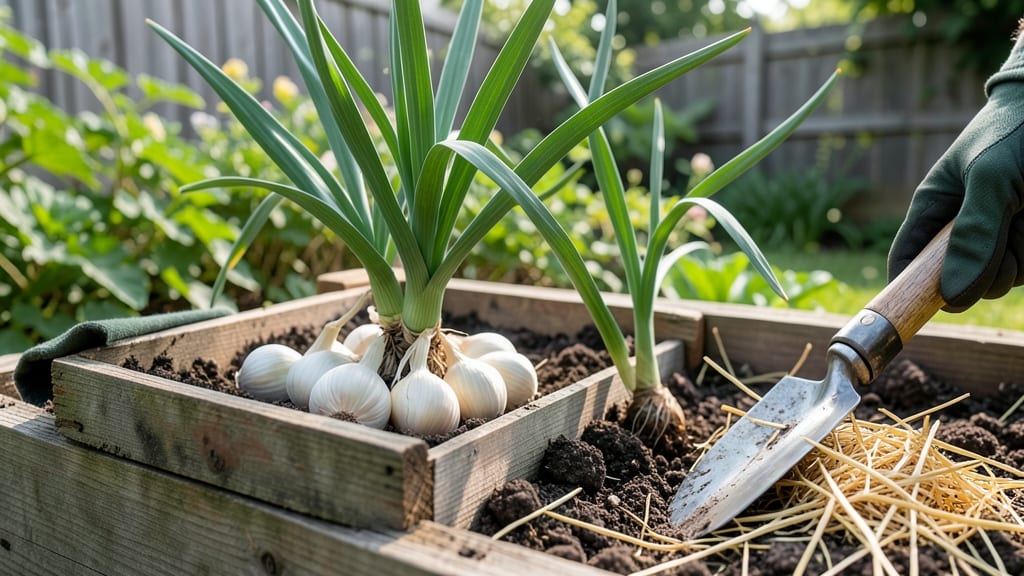
Planting garlic in Zone 6 at the wrong time can turn your 🧄 harvest from plump, flavorful bulbs into disappointing scraps—so getting the timing right is everything.
The key to success lies in understanding exactly when to plant, and it’s not as simple as just grabbing cloves and sticking them in the ground.
For Zone 6 gardeners, the ideal planting window is narrow but critical: late October through November, when soil temperatures dip but before the ground freezes solid. This timing ensures your garlic develops strong roots before winter dormancy, setting the stage for those double-sized bulbs you’re dreaming of by summer.
But what if your fall is unusually warm or your winter arrives early? I’ll walk you through how to adjust your schedule—whether you’re planting in September as a backup or December to catch a late start.
You’ll also discover which garlic varieties thrive best in Zone 6’s climate and how to protect your crop from frost.
Let’s break down the exact steps to maximize your harvest, from soil prep to variety selection, so you can enjoy the sweet reward of homegrown garlic that tastes better than anything you’ve ever bought at the store.

Best planting months for garlic in Zone 6 (and why timing matters)
Garlic thrives in Zone 6 when planted in fall, specifically between mid-October and November. This timing lets the cloves establish roots before winter dormancy, setting the stage for larger bulbs the following summer.
The key is planting 4-6 weeks before the ground freezes, usually around November 15 in Zone 6.
Why fall? Garlic grows best with cold stratification—a process where cold temperatures trigger bulb formation. In Zone 6, soil temps drop below 50°F (10°C) by late October, signaling garlic to focus on bulb development rather than leaf growth. This cold period is essential for flavorful, plump bulbs.
If you miss the fall window, don’t panic—spring planting is possible but yields smaller bulbs. Spring-planted garlic lacks the cold stratification needed for optimal bulb size, so it’s best reserved for green garlic or scapes. For the best harvest, stick to fall planting.
Here’s what happens if you plant at the wrong time: Too early (September) risks rot from warm, moist soil, while too late (December) may leave cloves exposed to freezing before rooting. Aim for that sweet spot—cool but not frozen soil.
For Zone 6 gardeners, the last frost date (around April 15) also matters. Garlic planted in fall needs 8–10 weeks of cold before spring growth resumes. If winters are mild, you might need to extend cold exposure with mulch or a cold frame.
Pro tip: Use a soil thermometer to check temps. Plant when soil is below 60°F (15°C) but not frozen. This ensures cloves root before winter sets in. In Zone 6b (colder microclimates), aim for early October planting, while Zone 6a gardeners can wait until late October.
Mulching plays a critical role in Zone 6. Apply 4–6 inches of straw or leaves after planting to insulate cloves from freeze-thaw cycles. This protects roots and maintains steady soil temps, even during winter temperature swings common in Zone 6.
Remember: Garlic planted in fall will harvest in late July or August—about 240 days after planting. Spring-planted garlic, however, takes 180–200 days and yields smaller bulbs. The trade-off? Spring garlic is easier to manage if you miss the fall window.
For best results, mark your Zone 6 planting calendar now: October 15–November 15 for fall planting, or March–April for spring as a backup. Timing this right guarantees garlic bulbs that double in size compared to poorly timed plantings.
Best planting months for garlic in Zone 6 (and why timing matters)
In Zone 6, the perfect time to plant garlic is between late October and November, when soil temperatures drop to 40-50°F but before the ground freezes solid. This window ensures your cloves establish roots before winter dormancy, which is critical for developing large, flavorful bulbs by summer.
Garlic needs this cold period to trigger bulb formation. If planted too early, the cloves may sprout and get damaged by frost. If planted too late, they won’t have enough time to root before winter sets in, leading to stunted growth.
The ideal soil temperature for planting is between 40-50°F. In Zone 6, this typically aligns with mid-to-late October, but you can adjust based on your local frost dates. For example, if your area usually freezes around November 15, aim to plant by early November.
🌱 Garlic Planting Timeline for Zone 6
| Stage | Action | Timeframe |
|---|---|---|
| Soil Prep | Loosen soil, add compost, test pH (6.0-7.0) | September-October |
| Planting | Plant cloves 2" deep, 4-6" apart, pointed end up | Late October-November |
| Winter Dormancy | Mulch heavily (4-6" straw) to protect from frost | December-February |
| Spring Growth | Remove mulch, fertilize lightly, water deeply | March-April |
| Harvest | Dig when lower leaves turn brown (July-August) | Mid to Late Summer |
After planting, mulch your garlic with 4-6 inches of straw or leaves to insulate the soil and protect the cloves from freezing. This layer also helps regulate soil temperature, preventing sudden thawing that can damage emerging shoots in early spring.
Zone 6 gardeners often ask if they can plant garlic in spring instead of fall. While it’s possible, spring-planted garlic typically produces smaller bulbs because it misses the critical cold period needed for bulb development.
If you miss the fall window, consider spring planting as a backup, but expect a reduced harvest.
To maximize your garlic’s potential, monitor your local frost dates and adjust planting accordingly. For example, if your area tends to freeze early, plant by mid-October.
If winters are mild, you might extend planting into early December. The key is ensuring your garlic has 6-8 weeks of cold before spring growth begins.