
Plants
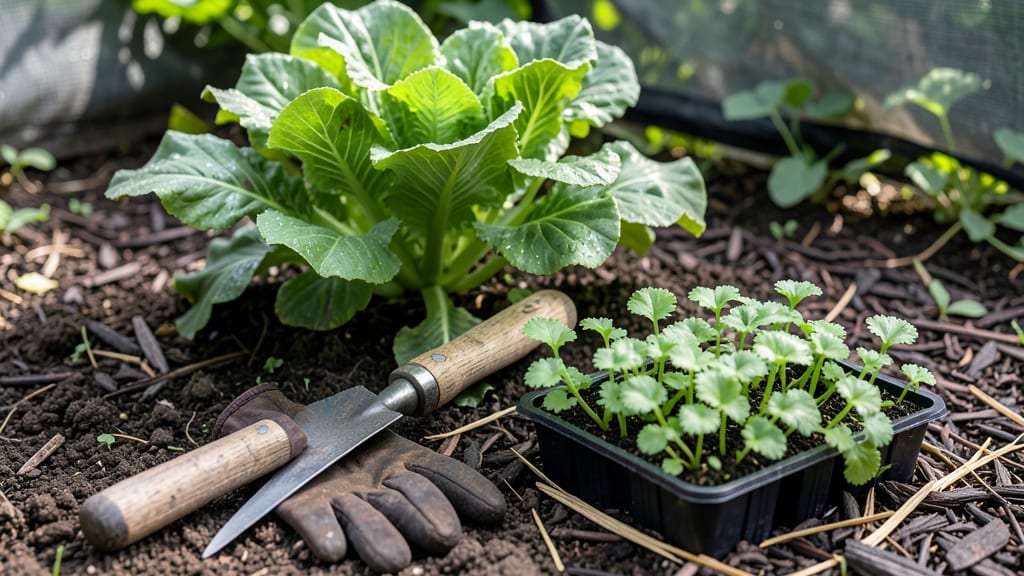
If you're a Texas gardener dreaming of crisp, homegrown lettuce to plant in Texas but dreading the summer bolting battle, you're not alone. The key to success lies in understanding when to plant lettuce in Texas—and how to outsmart the heat.
With the right timing and varieties, you can enjoy fresh salads year-round, even in zones like 8a-10b where summer temperatures can turn your lettuce into a sad, bitter memory.
Most gardeners know fall is the prime window—think September to October—when cooler temps and shorter days create ideal conditions. But did you know spring planting in February to March can also yield bountiful harvests?
The trick is avoiding the brutal summer months when lettuce wilts faster than a snowman in July. I'll show you exactly how to beat the heat with shade strategies and heat-tolerant varieties that actually thrive in Texas' extreme climate.
What you're about to discover isn't just theory—it's battle-tested advice from Texas gardeners who've cracked the code. We'll cover everything from soil prep to succession planting, so you can enjoy fresh lettuce from November through May without the frustration. The best part?
You don't need fancy equipment or a green thumb—just the right timing and a few smart tricks. Whether you're a beginner or a seasoned gardener, these insights will help you grow lettuce that's crisp, flavorful, and ready to harvest when you need it most.
Let's get started with your Texas lettuce-growing plan.
Best planting times for lettuce in Texas zones (heat tolerance breakdown)
Texas gardeners face a unique challenge: lettuce bolts when temperatures creep above 80°F. The key to success? Planting during cooler months when soil temps stay below 75°F. In most of Texas (Zones 8a-10b), this means focusing on fall and spring planting windows.
For fall lettuce, start seeds or transplants in September-October—just as summer heat begins to fade. This gives plants time to mature before first frost (typically November-December in most zones). Spring planting should begin in February-March for harvests before summer heat arrives.
Here’s how Texas’ USDA zones break down for lettuce timing:
| Zone | Fall Planting Window | Spring Planting Window | Heat Threshold (°F) | Best Varieties |
|---|---|---|---|---|
| 8a (North TX) | Late Aug - Mid Oct | Feb - Early Mar | 70-75°F | Jericho, Black Seeded Simpson |
| 9a (Central TX) | Sept - Early Nov | Late Feb - Apr | 75-80°F | Romaine, Buttercrunch |
| 10a (South TX) | Sept - Mid Nov | Mar - Early Apr | 80-85°F | Greenwave, Oakleaf |
Notice how heat thresholds increase in warmer zones? South Texas gardeners can push limits slightly, but soil temperature (not air temp) is the real decider. Use a soil thermometer to confirm temps stay below 75°F—lettuce roots struggle above this.
For leaf lettuce (like Oakleaf), you can experiment with late summer plantings (August) in shaded spots. Head lettuce (Romaine, Iceberg) bolts faster, so stick to fall or spring for these varieties.
Pro tip: Succession planting every 2-3 weeks in fall/spring ensures a steady harvest. In Texas, this means 3-4 plantings per season—each with 30-40 days to maturity.
If you’re in Zone 8a or cooler, don’t overlook winter lettuce! Some varieties like Winter Density tolerate light frosts and can be planted in December for early spring harvests.
🌱
Shade and mulching hacks to extend lettuce growth in Texas summers
Texas summers can turn your lettuce into sad, bitter bolts faster than you can say "100°F," but don’t give up on summer salads just yet! With the right shade strategies and mulching techniques, you can trick your lettuce into thinking it’s autumn.
The key is creating a cooler microclimate—whether through dappled shade, reflective mulch, or even a DIY shade tent. I’ve tested these methods in my own North Texas garden, and they’ve extended my harvest window by 4-6 weeks!
Start with partial shade solutions like planting near taller crops (think sunflowers or corn) or using 50% shade cloth during peak afternoon heat. For container growers, place pots in east-facing locations where they get morning sun but avoid the brutal midday rays.
Even a simple white sheet draped over a hoop can drop soil temps by 10-15°F, which is enough to prevent bolting.
Mulching is your secret weapon against Texas heat. A 2-3 inch layer of straw or wood chips keeps soil moisture locked in while reflecting sunlight away from the roots. My favorite trick? Using light-colored mulch (like white gravel or crushed seashells) which reflects even more heat. For raised beds, I add a thick layer of compost first—it insulates the roots while providing nutrients.
🌿 5 Shade & Mulching Hacks for Texas Lettuce
- 🌞 Drip Irrigation + Shade Cloth Combo: Run drip lines under shade cloth to keep roots cool and hydrated without wetting leaves (prevents fungal diseases).
- 🪴 Container Cooling Trick: Fill pots with 50% perlite to improve drainage and add a frozen water bottle wrapped in aluminum foil to the soil—it acts like a mini fridge!
- 🌡️ Soil Thermometer Check: Never let soil temps exceed 75°F—use a cheap thermometer to monitor. If it’s hotter, add more mulch or move pots to shade.
- 🌿 Companion Plant Shield: Interplant lettuce with basil or cilantro, which provide light shade and deter pests like aphids that stress lettuce.
- 💧 Evening Watering Reset: Water deeply at dusk to cool the soil overnight—this mimics Texas’ natural evening dew and delays bolting.
For summer succession planting, I swear by the "every 2-week rule." Start your first batch in late May under shade cloth, then sow new seeds every 14 days.
By July 4th, your first plants will be ready to harvest while the next batch is still in the cool-shade phase. This staggered approach ensures you’re always eating fresh lettuce without the heat stress.
Don’t forget that container gardening is your best friend in Texas summers. Five-gallon buckets with self-watering reservoirs let you move lettuce to shadier spots as the sun shifts. I keep mine on a rolling dolly for easy relocations—perfect for when the afternoon sun decides to play peekaboo through the trees.
With these tricks, I’ve grown crisp butterhead lettuce in August that rivals my fall harvests. The secret? Treat your lettuce like a high-maintenance diva—give it shade, cool roots, and plenty of water, and it’ll reward you with salads straight from your backyard.
Now go forth and conquer that Texas heat! 🥬