
Plants
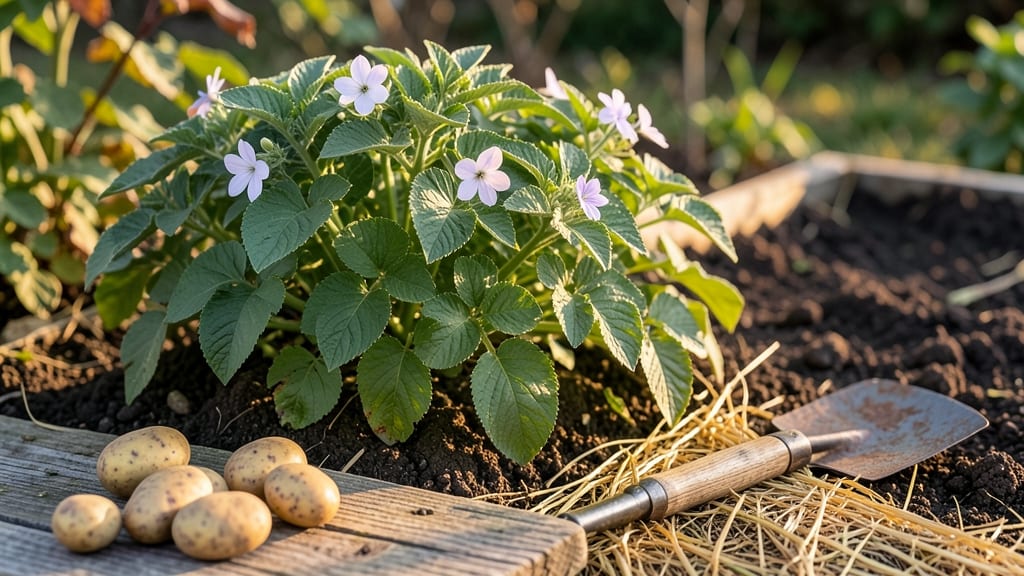
If you've ever planted 🥔 potatoes in Texas only to watch them bolt into flowers instead of growing tubers, you're not alone—and the fix starts with timing.
The best time to plant potatoes in Texas depends entirely on whether you're in North or South Texas, with each region offering a narrow window to avoid wasting your effort (and your seed potatoes).
For North Texas gardeners in zones 8a-9a, the sweet spot is late February to early March, when soil temperatures hover around 50°F and the threat of frost has passed.
Meanwhile, South Texas growers can push their planting into September or October, taking advantage of milder fall weather before the first frost hits. Get this wrong, and you risk bolting—when your potatoes focus on flowers instead of those prized tubers you're after.
But here's the kicker: even the perfect timing won't guarantee success if you don't account for your local microclimate. Humidity in East Texas or drought conditions in West Texas can throw off your potato's growth cycle, so we'll break down how to adjust your strategy based on where you live.
Let's dive into the exact steps to maximize your harvest, whether you're a spring or fall planter.
By the end of this guide, you'll know not just when to plant, but how to set up your potatoes for success—from soil prep to variety selection—so you can enjoy a bumper crop instead of a bolting disappointment. Ready to turn your Texas garden into a potato powerhouse?
Texas potato planting calendar: spring vs. fall timing for maximum yield
Texas gardeners face a unique challenge with potatoes—the state's diverse climate means what works in North Texas (zones 8a-9a) fails in South Texas (zones 9b-10a). The key to avoiding bolting lies in planting during your region's 60-90 day frost-free window, when soil temperatures consistently stay above 50°F.
For most gardeners, this means two prime opportunities: late winter/early spring or early fall.
In North Texas, where last frosts typically hit around February 15, aim to plant seed potatoes 4-6 weeks before that date—usually mid-January to early February. This gives tubers time to establish before summer heat arrives.
Meanwhile, South Texas gardeners can extend their season into September-October, taking advantage of cooler fall temperatures before the first frost in November.
But here's where most gardeners go wrong: they focus only on calendar dates, not soil temperature. Potatoes won't sprout until the soil reaches 45°F, but true growth requires 50°F+.
Use a soil thermometer to confirm readiness—planting too early in cold soil leads to rot, while waiting too long risks bolting as days lengthen.
Let's break down the exact planting windows by region, including soil temperature thresholds and how to adjust for your local microclimate.
Notice how West Texas has a later planting window due to its drier climate and earlier frost risks? This region's shorter growing season means gardeners must plant closer to the last frost date.
Meanwhile, South Texas can push into fall planting because its longer frost-free season (up to 280 days) allows for a second harvest before winter.
For Central Texas, the overlap between spring and fall planting creates flexibility. If your spring crop bolts due to heat, you can still plant a fall crop as late as early October, provided you choose early-maturing varieties like 'Red LaSoda' (60-70 days to harvest).
This two-season approach maximizes yield but requires careful variety selection.
Pro tip: Use row covers in early spring to warm soil faster, or black plastic mulch in fall to retain heat longer. Both tricks help you plant 2-3 weeks earlier than the calendar suggests, giving you a competitive edge in Texas's unpredictable climate.
Now that you know the ideal windows, let's address the biggest mistake Texas gardeners make: plant
Texas potato planting calendar: spring vs. fall timing for maximum yield
Texas' diverse climate means your potato planting strategy should match your region. North Texas gardeners in zones 8a-9a should focus on late February to early March planting, while South Texas growers in zones 9b-10a can extend their window into September-October.
The key difference? Soil temperature thresholds—potatoes need 45-55°F soil to sprout without bolting, which North Texas hits earlier than South Texas.
Central Texas falls in between, with ideal planting dates spanning mid-February to late March for spring crops. Each region's last frost date acts as your deadline: plant 4-6 weeks before to ensure tubers mature before summer heat sets in.
For example, Dallas gardeners should aim for February 15 planting, while Houston growers can wait until March 1.
Here's how Texas' three main regions compare for potato planting success:
Fall planting offers South Texas growers a second chance, but timing is critical. Plant 80-90 days before your first frost (typically November 15) to ensure tubers mature before winter sets in.
For example, Corpus Christi gardeners can plant September 15-October 1 for a December harvest. The trade-off? Fall potatoes require more frequent watering as summer heat lingers.
Regardless of season, always plant seed potatoes when soil temperatures are consistently above 45°F but below 80°F. Use a soil thermometer to monitor—potatoes won't sprout in cold soil, and they'll bolt in heat. For North Texas, this means waiting until mid-February even if your calendar says spring has arrived.
Pro tip: Chit your seed potatoes (sprout them indoors) 4-6 weeks before planting to give them a head start. This is especially helpful in North Texas where the growing season is shorter.
Place whole seed potatoes in a bright, cool spot (60-65°F) with the rose end up—they'll sprout faster and establish roots sooner in the garden.
Remember, Texas' unpredictable weather means flexibility is key. Monitor your local Almanac frost dates and adjust planting by 1-2 weeks if spring arrives early or late. The goal? Plant when soil is workable but air temperatures stay mild—this balance prevents bolting and maximizes tuber production.