
Plants
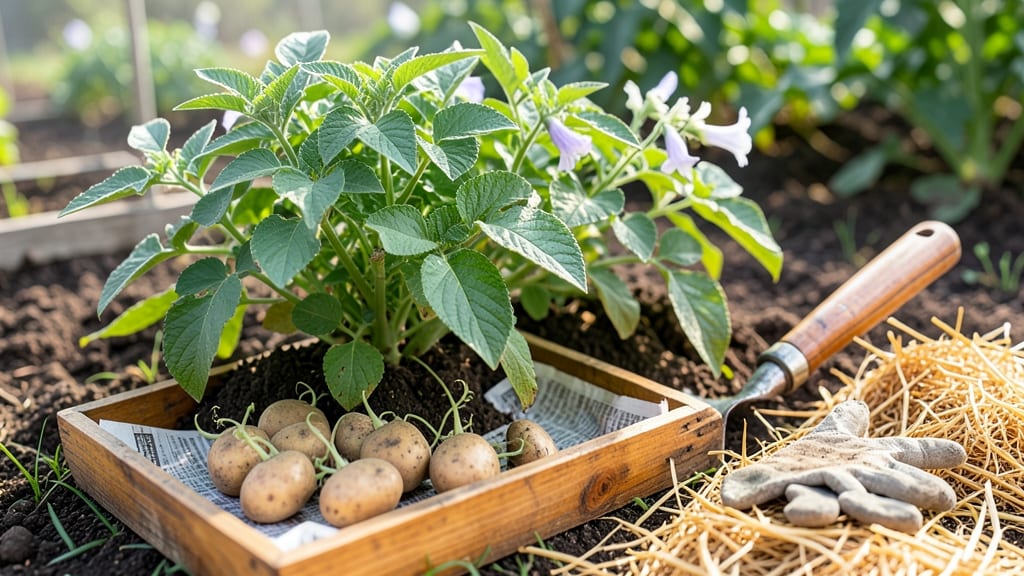
Knowing when to plant potatoes in Missouri could mean the difference between a bumper crop and a failed harvest—especially if you want to avoid the dreaded potato scab disease.
Missouri’s 5b-6b climate gives you a narrow window to get those 🥔 sprouts in the ground just right, and timing isn’t just about frost dates.
Plant too early, and your tubers might rot in cold soil; too late, and you’ll miss the sweet spot for maximum yield. The key is calculating 4-6 weeks before your last frost, but there’s more to it than that.
Soil temperature, regional microclimates, and even the variety you choose all play a role in whether your potatoes will thrive or struggle.
I’ll break down the exact weeks you should plant in Missouri—whether you’re in St. Louis, Kansas City, or rural areas—plus how to adjust for urban heat islands or late springs. You’ll also discover which potato varieties handle Missouri’s quirks best, so you can confidently plan your garden without guessing.
Let’s get those seed potatoes in the ground at the perfect moment—so you can enjoy a harvest full of golden, scab-free spuds by summer. Ready to dig in?
Missouri potato planting calendar: exact weeks before last frost for scab prevention
Missouri’s variable frost dates and scab disease risk make precise potato planting timing critical. The last spring frost typically arrives between March 15 and April 15, depending on your region.
Planting 2-4 weeks before this date ensures tubers develop in 50°F+ soil while avoiding early blight from cool, wet conditions.
St. Louis gardeners should aim for late March planting, while Kansas City’s cooler microclimate often needs early April timing. Columbia’s moderate climate falls between these windows. The key is soil temperature—wait until it reaches 45°F at 4-inch depth, verified with a soil thermometer.
Here’s your Missouri potato planting timeline by region, including scab risk windows and harvest projections:
| Region | Planting Window | Soil Temp Threshold | Scab Risk Period | Harvest Window |
|---|---|---|---|---|
| St. Louis | Late March (Mar 20-Apr 5) | 45°F+ at 4" | Apr 10-May 10 | June 20-July 10 |
| Kansas City | Early April (Apr 1-15) | 45°F+ at 4" | Apr 20-May 15 | June 25-July 15 |
| Columbia | Mid-March (Mar 15-30) | 45°F+ at 4" | Apr 5-May 5 | June 15-July 5 |
For zero scab risk, plant red or yellow varieties (like ‘Red LaSoda’) first—they’re less susceptible than white potatoes. Use drip irrigation in the scab risk window (April-May) to keep foliage dry. Avoid overhead watering during morning dew hours (6-9 AM) to prevent spore spread.
Missouri’s short growing season (165 frost-free days) demands early-maturing varieties (90-day harvest) for full yield. If you miss the spring window, try late planting (May 15) with fast varieties like ‘Early Girl’, but expect smaller tubers due to reduced daylight.
Pro tip: Chit sprouted seed potatoes (place in light 4-6 weeks before planting) jumpstart growth by 2-3 weeks. Store them in a cool (40°F), dark spot until sprouts are ½-inch long. This head start compensates for late frost delays common in Missouri’s USDA Zones 5b-6b.
After planting, hill soil around stems when they reach 6 inches tall, repeating every 2 weeks to encourage tuber formation. This earthing-up technique also protects against green potatoes (toxic solanine buildup) from sun exposure.
Missouri’s clay-heavy soils in many regions? Amend with compost or sand to improve drainage—waterlogged tubers rot quickly. Test your soil’s pH (6.0-7.0 ideal) and add lime if needed before planting to prevent blossom end rot.
Track your local frost dates using the Missouri Climate Center’s frost calculator (https://agecon.missouri.edu/climate). Adjust your planting date if your area experiences unusually early frosts—this happens 1 in 3 years in northern Missouri.
🌱 For maximum yield, plant two successions: one in early April (for June harvest) and another in mid-May (for July-August harvest). This staggered approach extends your fresh potato supply and reduces crop failure risk from unpredictable weather.
How to adjust planting for Missouri’s microclimates: urban vs. rural timing differences
Missouri’s diverse geography means your planting schedule should shift based on whether you garden in urban St. Louis, rural farmland near Kansas City, or the Columbia hills.
Urban areas warm up faster due to concrete heat absorption, while rural zones stay cooler longer. This mismatch can mean 2-3 weeks difference in ideal planting dates.
For urban gardeners, aim to plant 2-3 weeks earlier than rural guidelines. The city’s microclimate often lifts soil temps to 50°F (10°C)—the ideal sprouting threshold—by early March, while rural areas may need until late March. Test your soil weekly with a soil thermometer to confirm readiness.
Rural gardeners should wait until late March or early April, when nighttime temps consistently stay above 40°F (4°C). Cooler soils delay sprouting, increasing scab disease risk if planted too early. Use black plastic mulch to warm rural soils faster if needed.
| Factor | Urban Areas (St. Louis) | Rural Areas (Columbia/Kansas City) |
|---|---|---|
| Soil Warms to 50°F | Early March | Late March |
| Best Planting Window | Feb 20 - Mar 10 | Mar 20 - Apr 5 |
| Scab Risk | Low (warmer soils) | High (cooler soils) |
| Adjustment Tip | Use chit sprouting | Add black plastic mulch |
To fine-tune your schedule, chit sprouting your seed potatoes is a game-changer. Place them in a bright, cool (60°F/15°C) spot 2-3 weeks before planting. Look for ½-inch sprouts—these indicate readiness. Urban gardeners can start chitting in mid-February, while rural gardeners should wait until early March.
Another trick? Plant early varieties like 'Red Pontiac' in urban areas and mid-season 'Yukon Gold' in rural zones. Early varieties mature in 70-90 days, giving urban gardens a safety net against late frosts. Rural gardeners benefit from mid-season types that handle cooler soils better.
Pro tip: Mulch heavily in rural areas to maintain soil warmth. Use straw or leaves (4-6 inches thick) to create a 5-10°F warmer microclimate around tubers. This can shave 1-2 weeks off your growing season—critical for Missouri’s short window.