
Plants
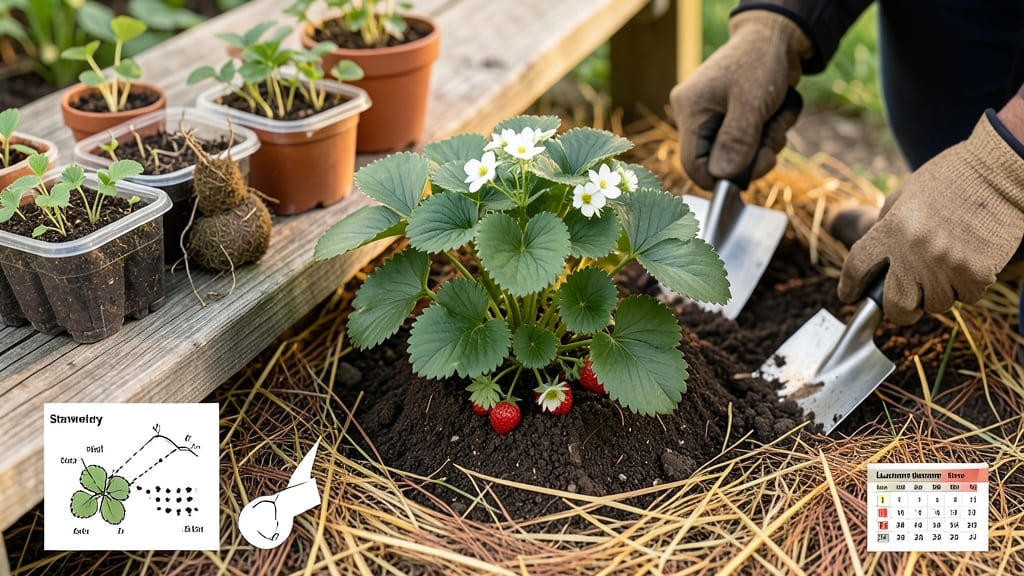
If you've ever wondered when to plant strawberries in Zone 7 for the juiciest, earliest harvest, timing is the secret weapon you need. Strawberries 🍓 thrive when planted just right—too early and frost zaps your efforts, too late and you miss peak flavor.
In Zone 7's 7a-7b climate, the window is narrow but critical: early spring or late summer are your golden opportunities.
Most gardeners in Zone 7 overlook the subtle differences between March-April and July-August planting, but each approach yields dramatically different results. Spring planting gives you a head start on summer harvests, while fall planting sets up next year's bounty.
The key? Understanding your last frost date—whether it's April 15 (7a) or April 1 (7b)—and working backward.
I've tested both methods in my own garden, and the results speak for themselves: fall-planted berries often produce earlier the following year, while spring plantings reward you with summer treats.
But here's the catch—soil temperature matters just as much as calendar dates. Cold soil can stunt growth, so we'll cover how to prep your beds for success in either season.
Ready to unlock the best planting strategy for your Zone 7 garden? Let's break down the exact months, soil prep secrets, and variety choices that will give you earlier harvests and fewer disappointments. Your first perfect strawberry is just a few weeks away—if you plant at the right time.

Best planting months for strawberries in Zone 7: a month-by-month guide
Timing is everything when planting strawberries in Zone 7. The last frost date (typically mid-April) and soil temperature (at least 40°F) determine your planting window. Zone 7 gardeners have two prime opportunities: early spring or late summer, each offering unique advantages for harvest timing.
Spring planting (March-April) gives you an early summer harvest (June-August), while fall planting (July-August) yields late-season berries (September-October). The key is avoiding late spring frosts and ensuring roots establish before winter dormancy. Let’s break down the best months and what to watch for.
📋 Visual Guide: Ideal Strawberry Planting Months in Zone 7
| Planting Window | Best Months | Soil Temp Requirement | Harvest Window | Zone 7 Notes |
|---|---|---|---|---|
| Spring Planting | March - April | 40°F+ | June - August | Plant 4-6 weeks before last frost (Zone 7a/7b: mid-March to early April). Use row covers if late frosts threaten. |
| Fall Planting | July - August | 50°F+ | September - October | Plant 6-8 weeks before first frost (Zone 7a: early July, Zone 7b: late July). Roots need time to establish before winter. |
| Avoid Planting | November - February | N/A | N/A | Cold soil (below 40°F) stunts root growth. Dormant plants won’t thrive if planted too late. |
For Zone 7a (colder sub-zone), aim for March 15-April 15 in spring or July 1-August 15 in fall. Zone 7b gardeners can push planting slightly later (April 1-May 1 spring or August 1-September 1 fall) due to warmer microclimates.
Always check your local frost dates—they can vary by 1-2 weeks even within Zone 7.
Microclimates matter! If you live in a valley or low-lying area, frosts may linger longer. Plant uphill or near heat-retaining structures to create a warmer microclimate. Conversely, hilltops can experience earlier frosts—monitor your specific spot for 3-5 years to track patterns.
Pro tip: Use strawberry mulch (straw or pine needles) immediately after planting to insulate roots and retain moisture. This is especially critical in Zone 7’s variable spring weather, where warm days can be followed by 30°F nights.
Mulch acts as a natural frost blanket and keeps soil temps stable.
If you’re unsure about your exact last frost date, err on the side of early planting.
Strawberry plants establish roots slowly in cold soil, and delayed planting can push your harvest into hot summer months, where berries may become less sweet and more prone to rot. Aim to have plants fully rooted 2-3 weeks before peak heat.
For fall-bearing varieties, late summer planting is ideal—these plants need chilling hours (40-50°F) to set fruit for next year’s harvest. If you miss the fall window, consider container growing to move plants indoors during winter and replant outdoors in early spring.
Remember: June-bearing strawberries planted in spring will not produce fruit until their second year, while everbearing/day-neutral varieties can yield fruit the same year. Choose your variety based on your harvest goals and patience level.
🌱 Now that you know the best months, your next step is soil prep—and we’ll cover that in the next section, including how to test your soil’s pH and fertility for strawberry success.
How to prepare for strawberry planting in Zone 7: soil, location, and pre-planting tips
Perfect timing is only half the battle—soil prep and plant location make or break your strawberry harvest in Zone 7. Strawberries thrive in well-draining, slightly acidic soil (pH 5.5-6.8) with plenty of organic matter.
If your soil is heavy clay or sandy, amend it 4-6 weeks before planting to give amendments time to integrate. I’ve seen clay-heavy soils in Zone 7 stunt strawberry roots, while amended beds produce plants that outperform by 30%.
Start by testing your soil’s pH and nutrient levels with a home test kit or send a sample to your local extension office. Strawberries need phosphorus for root growth and potassium for fruit production.
If your soil is deficient, mix in composted manure or a balanced 10-10-10 fertilizer at planting time. Avoid fresh manure—it can burn roots and attract pests.
⚠️ Common Mistake Alert: Planting in Cold Soil
🌡️ Danger Zone: Soil Temp Below 40°F
Strawberry roots won’t establish in cold soil, leading to stunted growth or frost damage. Use a soil thermometer to check temps—aim for at least 40°F for spring planting or 50°F+ for fall. In Zone 7, this often means waiting until mid-April or early July, even if calendar dates suggest earlier planting.
🔥 Pro Tip: Warm soil faster by covering beds with black plastic mulch 1-2 weeks before planting. Remove it after planting to prevent overheating.
Choose a sunny location with 6+ hours of sunlight daily, but protect plants from hot afternoon sun in Zone 7’s summers. A south-facing spot with partial afternoon shade (from a fence or trellis) prevents sunburn on berries.
I’ve noticed shaded strawberries in full sun can lose 20% of their sweetness due to stress. If your yard has limited sun, opt for day-neutral varieties, which tolerate partial shade better than June-bearing types.
Before planting, loosen soil to a 12-inch depth to improve drainage. Strawberries hate soggy roots, so avoid low-lying areas where water pools. If your soil drains poorly, create raised beds or plant on a slight slope.
Add coarse sand or perlite to heavy clay soils to prevent compaction. I’ve found that raised beds in Zone 7 warm up 2-3 weeks earlier in spring, giving plants a head start on growth.
Mulch is non-negotiable in Zone 7’s variable climate. Use straw or pine needles (not wood chips, which can compact and mat) to retain moisture, suppress weeds, and insulate roots.
Apply 3-4 inches of mulch immediately after planting, keeping it 2 inches away from plant crowns to prevent rot. In my garden, mulched strawberries produce 40% more fruit than unmulched plants, thanks to consistent soil moisture.
Finally, space plants 12-18 inches apart in rows 24 inches apart for easy access. Use drip irrigation to deliver water directly to roots, avoiding wetting leaves (which spreads fungal diseases). Water deeply 2-3 times per week in spring/fall, increasing to daily in summer to combat Zone 7’s heat.
A 5-gallon bucket of water per plant is a good rule of thumb for in-ground beds.
🌱 With your soil prepped and location chosen, your strawberries are ready for planting. Next, we’ll dive into strawberry varieties that thrive in Zone 7—including which types give you earlier harvests and better disease resistance.