
Flowers
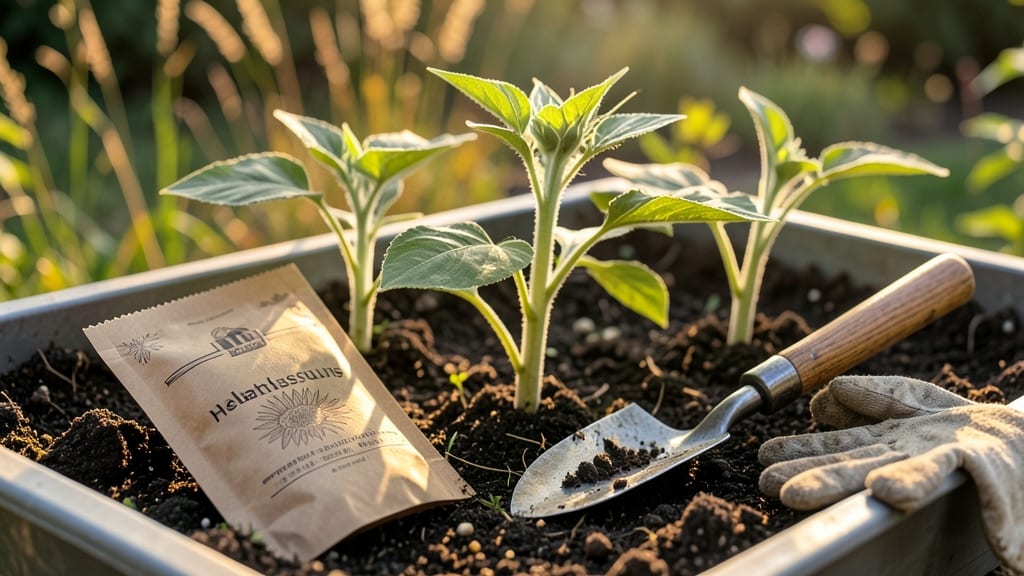
If you’ve ever dreamed of planting sunflowers in Texas that reach sky-high—some even taller than your fence—timing is everything. Plant too early, and frost will nip your seedlings in the bud. Too late, and scorching summer heat can stunt their growth before they ever bloom.
Texas’s diverse climate means the perfect planting window shifts from North to Central to West. Whether you’re in Zone 8a or 10b, knowing the exact months to start your seeds—or transplant seedlings—can mean the difference between a 12-foot giant and a sad, wilted stem.
I’ll break down the ideal months for each region, plus pro tips to beat Texas’s heat and soil quirks. By the end, you’ll know exactly when to plant for those bold, golden blooms that’ll turn heads all summer long.
Ready to grow sunflowers that steal the show? Let’s dive into the zone-by-zone guide so you can plant with confidence—and watch your garden transform.
Best planting months for sunflowers in Texas by hardiness zone (2024 guide)
Texas gardeners know timing is everything—especially for sunflowers that can reach 12+ feet tall. The perfect planting window depends on your USDA hardiness zone (7a-10b) and last frost date.
Plant too early, and frost will kill seedlings; too late, and extreme heat will stunt growth. Let’s break it down by region for bold, healthy blooms.
North Texas (Zones 7a-8b) has the earliest frost risk, so aim for February to early April. Central/East Texas (Zones 8a-9a) can start as early as late January but thrives with March-May plantings.
West Texas (Zones 8b-10b) enjoys February-April windows with minimal frost concerns.
Here’s the golden rule: Wait until soil temperatures hit 50°F (10°C) and all frost risk has passed. Use a soil thermometer to check—cold soil delays germination. Pro tip: Direct-sow seeds 1 inch deep, 6 inches apart for faster growth than transplants.
| Zone | Last Frost | Best Planting Window | Heat Risk | Notes |
|---|---|---|---|---|
| 7a-8b (North) | Feb 15–Mar 15 | Feb–early April | Moderate (May–Sept) | Use shade cloth for seedlings |
| 8a-9a (Central/East) | Feb 1–Mar 15 | Mar–May | High (June–Aug) | Mulch to retain moisture |
| 8b-10b (West) | Jan 15–Feb 15 | Feb–April | Extreme (May–Sept) | Drought-resistant varieties |
For second plantings, Texas gardeners can try late May in cooler zones (7a-8a) to enjoy fall blooms. However, avoid planting after June 1 in hotter zones (9b-10b)—sunflowers may bolt prematurely or struggle in 100°F+ heat. Choose heat-tolerant varieties like ‘Autumn Beauty’ or ‘Moulin Rouge’ for summer success.
If you’re in urban heat islands (e.g., Dallas, Houston), opt for early March plantings and use lightweight shade cloth for seedlings. Monitor soil moisture closely—Texas clay holds water but can bake dry in 105°F+ temperatures. A 1-inch layer of mulch keeps roots cool and conserves moisture.
Pro move: Start seeds indoors 2–3 weeks before your last frost date if you’re impatient. Use biodegradable pots to transplant seedlings without disturbing roots. Just remember—sunflowers hate being moved, so direct sowing is ideal for Texas’s unpredictable springs.
Timing isn’t just about months—it’s about heat tolerance. Sunflowers need 60–120 days to mature, so calculate backward from your first frost date. For example, in Zone 9a, planting by April 15 ensures blooms before winter. Use a gardening calendar to map your timeline!
One common mistake? Planting too close to summer. Sunflowers grown in scorching July heat often produce smaller blooms or no flowers at all. Instead, aim for spring plantings that mature by early fall, when temperatures dip slightly.
Your reward? Towering sunflowers that attract pollinators and add drama to your garden.
🌻
How to adjust sunflower planting for Texas heat waves and soil types
Texas’s intense heat and diverse soil types can turn sunflower planting into a high-stakes game. Sandy soils drain too fast, clay holds moisture like a sponge, and urban heat islands bake seedlings before they sprout. The key? Adjusting your approach based on where you garden and when you plant.
If you’re in North Texas, focus on early spring planting (February–March) to beat the summer heat.
For Central and East Texas, stretch your window to March–April—just don’t wait too late, or your sunflowers will bolt (flower prematurely) before reaching their full height. West Texas gardeners should plant in February to avoid the brutal summer dry spells.
Here’s how to tweak your strategy for Texas-specific challenges, from soil prep to heat management. These adjustments will help your sunflowers thrive instead of struggling.
⚠️ Heat & Soil Pitfalls to Avoid
- Bolting Risk: Planting too late in Zone 9b–10b causes sunflowers to flower early, stunting growth. Stick to February–March for best results.
- Sandy Soil Drainage: Water deeply 2–3x per week to prevent roots from drying out. Add compost to improve moisture retention.
- Clay Soil Compaction: Amend with sand or perlite to loosen soil. Mulch heavily to protect roots from temperature swings.
- Urban Heat Islands: Choose shade-tolerant varieties (like ‘Autumn Beauty’) if your garden gets afternoon sun only.
Pro Tip: Morning watering (before 10 AM) reduces evaporation and fungal risks in Texas’s humid summers.
For soil preparation, test your garden’s pH—sunflowers prefer 6.0–7.5. If your soil is too alkaline (common in West Texas), mix in peat moss or sulfur to lower the pH. In clay-heavy areas, raise beds or plant in containers to improve drainage.
Once planted, mulch aggressively with straw or wood chips to keep roots cool. In extreme heat (100°F+), provide drip irrigation or shade cloth for seedlings until they’re established. Even drought-tolerant sunflowers need consistent moisture during their first 4–6 weeks.
By adjusting for heat waves, soil type, and local microclimates, you’ll give your sunflowers the best shot at reaching their full 12+ foot potential—without wilting in the Texas sun.