
Plants
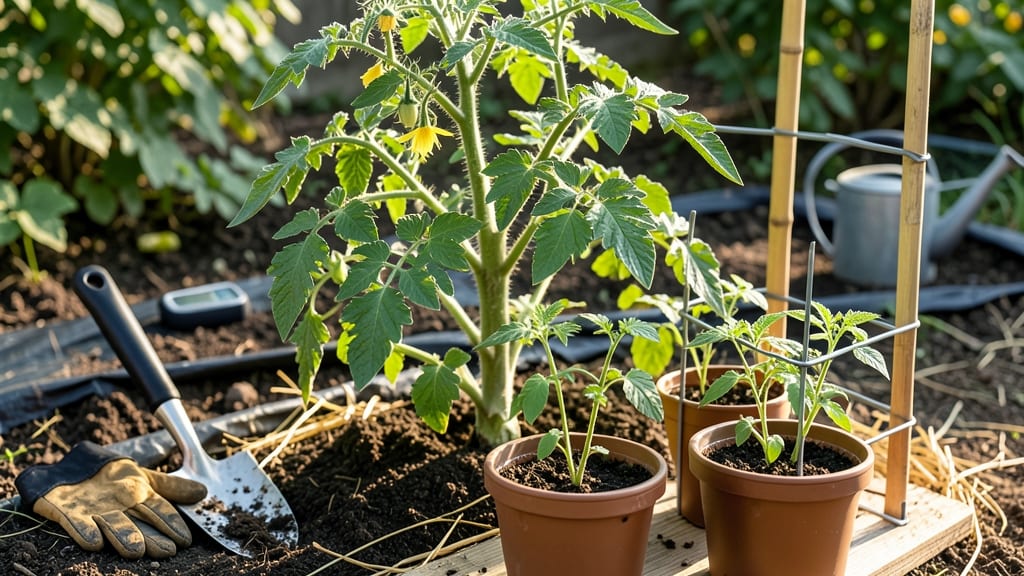
When do you plant tomatoes in North Carolina? Timing your tomato planting can make or break your harvest—get it wrong, and you might end up with frost-nipped seedlings or stunted plants. The 🍅 thrives when planted at the right moment, but the ideal window shifts depending on whether you're in the mountains, Piedmont, or coastal regions, where last-frost dates can vary by weeks.
Most gardeners in USDA zones 6a-8b start seeds indoors 6-8 weeks before the last expected frost, typically around March 15-April 15, then transplant seedlings after April 15 once soil temps hit 60°F.
But if you're in southern NC, you might even get an early start in March, while northern zones should wait until early May.
Don’t overlook fall planting, either—late July to early August gives you a second chance for a harvest before the first frost in October-November. The key is matching your variety to your microclimate; early-maturing types like ‘Early Girl’ work for short seasons, while heirlooms need more time.
I’ll walk you through the exact weeks to plant, how to adjust for your specific corner of NC, and the 3 biggest mistakes that kill tomato crops before they even start. Let’s get those seeds in the ground at the perfect moment!
North Carolina’s tomato planting zones: when to start indoors vs. outdoor transplanting
North Carolina’s diverse climate—spanning USDA zones 5b through 8b—means your tomato planting timeline depends heavily on where you live. Whether you’re in the cool mountain regions of the west or the warmer coastal plains of the east, getting the timing right ensures your plants thrive.
The key is balancing last-frost dates with soil warmth (tomatoes need soil at 60°F+ to germinate).
For most of NC, spring planting begins 4-6 weeks before your last frost date, while fall planting happens 8-10 weeks before the first frost. But don’t guess—use your local frost-free date (find yours via the NC State Extension or Almanac’s Frost Calculator) as your guide.
Miss it, and you risk frost damage or stunted growth.
Here’s how to break it down by region, including when to start seeds indoors vs. transplant seedlings for maximum yield:
| Region | USDA Zone | Last Frost Date | Start Indoors | Transplant Outdoors | Fall Planting Window |
|---|---|---|---|---|---|
| Mountains (Asheville, Boone) | 5b-6a | April 15–May 1 | March 1–15 | May 1–15 | July 15–August 1 |
| Piedmont (Raleigh, Greensboro) | 7a-7b | March 20–April 10 | February 15–March 1 | April 15–May 1 | July 1–July 15 |
| Coastal Plains (Wilmington, Fayetteville) | 8a-8b | March 1–March 15 | January 15–February 1 | March 15–April 1 | June 15–July 1 |
The Piedmont region (like Raleigh) offers the longest growing season, while mountain areas (like Asheville) have shorter windows. If you’re in zone 7b or warmer, you can even direct-sow seeds outdoors 2-3 weeks after your last frost—no need for indoor starts!
For cooler zones, start seeds indoors 6-8 weeks before transplanting to give seedlings a head start.
Pro tip: Use black plastic mulch to warm soil faster in spring, which can extend your planting window by 1-2 weeks. This is especially helpful in zone 6a or cooler, where soil takes longer to warm. Just remove it once soil temps hit 80°F+ to prevent overheating.
For fall planting, aim to transplant 8-10 weeks before your first frost. In zone 8b, this might mean planting as late as early August, while zone 6a gardeners should wrap up by mid-July.
Choose cold-tolerant varieties like ‘Stupice’ or ‘Mountain Merit’ for fall harvests—they handle cooler temps better than heat-lovers like ‘Solar Fire.’
Don’t forget: Urban heat islands (like downtown Charlotte) can push your last frost date 1-2 weeks later than rural areas. Check your exact microclimate by tracking local weather data or asking neighbors with established gardens.
A few extra days of warmth can mean the difference between ripe tomatoes and green fruit at season’s end.
🌱
5 Key factors that change your tomato planting timeline in NC
North Carolina’s diverse climate means your tomato planting schedule can shift by 3-4 weeks depending on where you live. The last frost date isn’t the only factor—soil temperature, variety heat tolerance, and even your garden’s microclimate play huge roles in timing.
For example, a Piedmont garden might have frost-free dates in early April, while mountain regions could wait until mid-May. Coastal areas often enjoy earlier planting windows, but humidity risks require extra vigilance against fungal diseases.
Here are the 5 critical factors that determine your perfect tomato planting window—and how to adjust for them:
Tomatoes need soil at 60°F+ to thrive. Use a soil thermometer—planting too early in cold soil stunts roots. In NC, this often aligns with late April to early May for most regions.
NC’s average last frost ranges from March 15 (coastal) to April 30 (mountains). Wait 2-3 weeks after the last frost to transplant seedlings outdoors for safety.
Heat-loving varieties like ‘Solar Fire’ can handle NC’s summer heat, while ‘Early Girl’ matures faster in cooler springs. Check days to maturity—short-season varieties need earlier starts.
A south-facing slope warms faster than a north-facing valley. Urban areas with heat islands can plant 2 weeks earlier than rural zones. Observe your garden’s unique conditions for 2-3 years.
For a second harvest, plant July 15–August 1 in most of NC. Choose fast-maturing varieties (60-70 days) and use row covers to extend the season until first frost (usually mid-October).
Use the NC State Extension’s frost-free date calculator to pinpoint your exact window. For most gardeners, mid-April to early June is ideal for spring planting, while late July to early August works for fall crops. Adjust based on your local conditions!
Pro tip: Black plastic mulch warms soil faster and suppresses weeds—perfect for pushing your planting window 1-2 weeks earlier in cooler microclimates. 🌱