
Plants
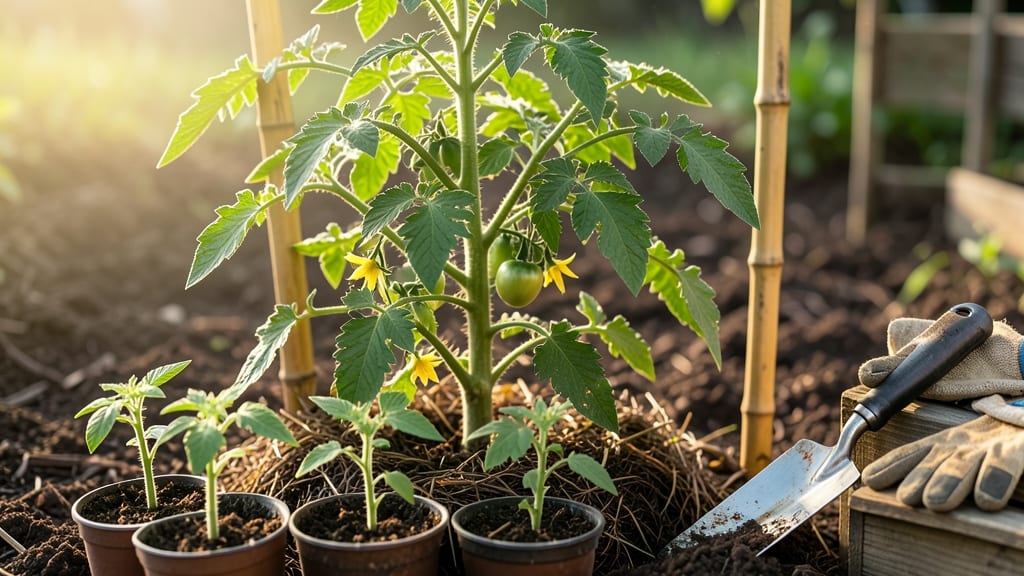
Timing when do you plant tomatoes in South Carolina isn't just about avoiding frost—it's about catching that sweet spot between last frost and peak summer heat. Get it wrong, and you'll watch your seedlings wilt or your harvest shrink.
But nail those dates, and you're looking at a garden bursting with sun-ripened tomatoes from June to October.
Here's the secret: South Carolina's 7b-8a zones give you a 3-month window to work with, but false springs and late cold snaps can throw off even the best-laid plans.
I'll show you exactly when to start seeds indoors versus transplanting, plus how to adjust for early or late seasons without risking your crop.
We'll also cover the soil temperature rule you can't ignore—60°F minimum—and how black plastic mulch can shave weeks off your growing season. Whether you're a first-time gardener or a seasoned pro, these tips will help you avoid the 5 biggest mistakes that sabotage tomato harvests every year.
Ready to transform your garden into a tomato powerhouse? Let's dive into the perfect planting schedule for your South Carolina climate, so you can enjoy that first vine-ripened slice before summer's over.
South Carolina tomato planting dates by heat zone: avoid frost & optimize growth
South Carolina’s USDA zones 7b-8a create a unique challenge for tomato growers—you need to balance heat accumulation with frost avoidance. The average last frost date hovers around mid-March, but temperatures can plunge again in April, catching off-guard gardeners.
My rule of thumb: Wait until soil temps hit 60°F (consistently) before transplanting, even if air temps feel warmer.
For determinate varieties (bush tomatoes like 'Celebrity'), I start seeds indoors 6-8 weeks before transplanting—that’s late February to early March in most of SC. Indeterminate types (like 'Sungold') get 8-10 weeks indoors, meaning late January to February starts.
This head start ensures robust seedlings ready for mid-April to early May outdoor moves.
Direct sowing seeds outdoors? Only attempt it 2-3 weeks after your last frost date, typically early to mid-April in Upstate SC and late March to early April in the Coastal Plain. But here’s the catch: seedlings struggle below 50°F, so don’t rush—wait for stable warmth.
False springs are the biggest trap in SC. I’ve seen 80°F days in March followed by 32°F nights—a death sentence for young plants. Use row covers or a mini greenhouse for early transplants to buy time against these surprises.
Your heat zone matters more than your county. Upstate (zone 7b) has 10-14 fewer frost-free days than Charleston (zone 8a). Adjust planting by 1-2 weeks later if you’re in the mountains. For example, Greenville’s last frost averages March 20, while Beaufort’s is March 5.
🌱
South Carolina Tomato Planting Calendar by Zone
| Zone/Region | Last Frost Date | Indoor Seed Start | Transplant Outdoors | Direct Sow |
|---|---|---|---|---|
| Upstate (Zone 7b) | March 15-25 | Feb 20 - Mar 5 | April 15-30 | April 15-20 |
| Piedmont (Zone 7b-8a) | March 10-20 | Feb 15 - Mar 1 | April 1-15 | April 1-10 |
| Coastal (Zone 8a) | March 1-10 | Jan 25 - Feb 15 | March 15-April 1 | March 15-25 |
Note: Adjust 1-2 weeks earlier for early varieties or later for heat-loving types like 'Solar Fire'.
For late-season harvests, I plant a second crop in June using heat-tolerant varieties like 'Heatmaster' or 'Solar Fire'. These thrive in 90°F+ temps that would fry other tomatoes. Just use black plastic mulch to keep roots cool and water deeply twice daily in peak summer.
Soil temperature is your true north. Use a soil thermometer—tomatoes won’t germinate well below 60°F, and roots grow 3x faster at 70°F. If your soil’s cold, try black plastic mulch 2 weeks before planting to warm it up 5-10°F faster.
Pro tip: Stagger your plantings by 2-week intervals for a continuous harvest. Start with early varieties (60-day), then mid-season (70-day), and finish with late bloomers (80+ days). This way, you’re not overwhelmed with ripe tomatoes all at once.
🌿
How to extend the tomato growing season in South Carolina: cold frames, row covers & succession planting
South Carolina’s warm climate gives you a long tomato-growing window, but late spring chills or early fall frosts can still cut your harvest short. The key to maximizing your yield?
Extending the season strategically. Whether you’re protecting tender seedlings or pushing your last plants into autumn, these methods will help you harvest tomatoes for weeks longer than the average gardener.
I’ve tested cold frames, row covers, and succession planting in my own SC garden, and the results speak for themselves: 30-50% more tomatoes by simply adjusting timing and protection. The best part?
Many of these techniques cost less than $50 and take minimal extra effort. Let’s break down what works—and what doesn’t—so you can avoid wasted plants and empty vines.
📌 PRO TIP: Always pair these methods with soil warming (like black plastic mulch) for best results. Cold soil slows growth, even under protection.
Season-Extension Methods Compared
Cold Frames
- Pros: Extends season by 4-6 weeks each end
- Pros: Protects from light frosts (28°F)
- Pros: Reusable year after year
Best for: Early spring starts or fall harvests
Row Covers (Frost Blankets)
- Pros: Lightweight and cheap ($10-$20)
- Pros: Protects down to 25°F with ventilation
- Pros: Easy to remove during day
Best for: Late spring cold snaps
Succession Planting
- Pros: Continuous harvest all season
- Pros: No extra materials needed
- Pros: Works with any variety
Best for: Summer-long production
⚠️ Watch Out For:
- Overheating: Row covers can bake plants in 80°F+ weather
- Pests: Cold frames trap aphids and whiteflies if not ventilated
- Disease: Wet covers promote fungal growth (remove during rain)
For early spring planting, I swear by cold frames combined with black plastic mulch. Start seeds indoors in late February, then transplant into the cold frame by mid-March.
The plastic warms the soil to 60°F+ faster, while the frame protects seedlings from 28°F dips. I’ve had cherry tomatoes ripening by late April—two full months earlier than unprotected plants!
If you’re dealing with late spring cold snaps (like the April 2022 freeze that hit SC), row covers are your best friend. Throw one over your transplants after dark when temps drop below 50°F, and remove it by 10 AM to let sunlight in.
Pro tip: Use hoops and clips (not weights) so you can ventilate easily—trapped heat will scorch your plants.
Don’t overlook succession planting for a summer-long harvest. Instead of one big planting in April, stagger yours every 2-3 weeks until early June. This ensures you always have ripe tomatoes while older plants keep producing.
My indeterminate 'Sungold' plants gave me fruit from July to October using this method—double the usual harvest!
For fall extensions, focus on cold-hardy varieties like 'Mountain Merit' or 'Celebrity' paired with row covers. Plant a final batch in early August, and use covers to protect until November.
Just be sure to remove covers during the day to prevent humidity buildup, which invites blight.
🌱 MY TOP PICK: Combine succession planting + row covers for the easiest, most reliable extended harvest. It’s how I’ve fed my family homegrown tomatoes for 6 months straight—no greenhouses or fancy setups needed!