
Flowers
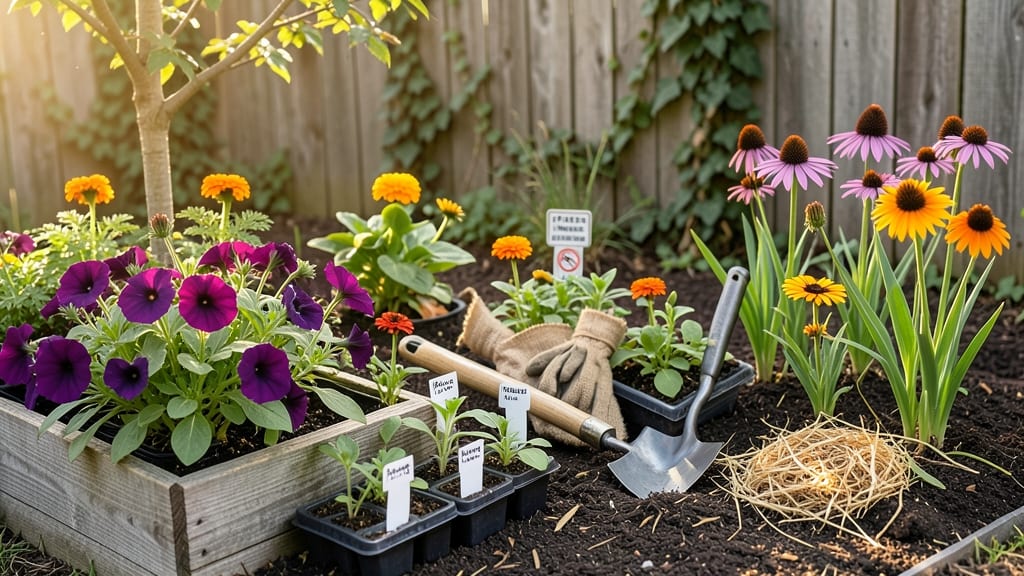
Timing your flower planting in Ohio isn’t just about grabbing a trowel—it’s the difference between a showstopping garden and one that fizzles before summer.
The best time to plant flowers in Ohio depends on whether you’re nurturing spring bulbs or fall-hardy perennials, with frost dates acting as your garden’s ultimate deadline.
Ohio’s 6a zone means you’ve got roughly 165 frost-free days to work with, but those dates shift yearly. Planting too early risks frost damage, while waiting too long can leave your garden playing catch-up.
I’ll show you how to align your planting with Ohio’s unpredictable weather—so you can enjoy 🌸 blooms from May through October without the guesswork.
Whether you’re dreaming of vibrant marigolds or hardy coneflowers, the key is knowing when to start seeds indoors, when to transplant tender annuals, and how to prep soil for fall’s cooler temperatures.
Let’s break down the perfect planting windows for Ohio’s most beloved flowers—and how to stretch your season with simple tricks.
Ready to transform your yard into a year-round floral masterpiece? You’ll walk away with a clear timeline, soil prep secrets, and even a cheat sheet for Ohio’s top bloomers. Let’s get those flowers in the ground the right way—no more missed deadlines or wilted dreams.
Ohio flower planting calendar: spring vs. fall timing by hardiness zone
Ohio’s USDA hardiness zones 5-7 mean your planting timeline shifts slightly depending on whether you’re in Toledo (Zone 6a), Columbus (Zone 6b), or Cincinnati (Zone 7a). The last average frost date typically falls around April 15, while the first frost hits around October 15.
These dates create your garden’s 165-day growing window—and missing them can mean sad, frost-nipped blooms.
Spring planting in Ohio starts 4-6 weeks before your last frost date, but soil temperature is just as critical as air temperature. Most flowers need soil to warm to at least 60°F before planting.
For fall, aim to get perennials and bulbs in the ground 6-8 weeks before the first frost to give roots time to establish before winter. Let’s break down the month-by-month planting schedule to keep your garden thriving.
🌱 Key Tip: Use a soil thermometer to check temperatures—cold soil can stunt growth even if air temps are warm. My personal trick? Plant cool-season flowers like pansies in early spring or late fall when soil is still chilly but frost isn’t imminent.
Ohio’s microclimates can throw off your timing—urban areas like Columbus often warm up faster than rural zones, while Toledo’s lake-effect can delay spring. To adjust, check the NOAA frost forecast for your county and add 2-3 weeks of buffer for high-risk years.
I’ve planted marigolds in early May only to see frost hit again—don’t skip the buffer!
For spring bulbs, like tulips and daffodils, plant in October or November—this gives roots time to establish before winter dormancy. In contrast, annuals like petunias need to wait until after the last frost (usually mid-May) to avoid frost damage.
My go-to trick? Start cool-season annuals like pansies in late August for fall color—they’ll bloom until a hard frost.
Fall planting is your secret weapon for next-year’s blooms. Perennials like coneflowers and black-eyed Susans should go in the ground 4-6 weeks before frost, while spring bulbs need 6-8 weeks. I’ve found that mulching with straw after planting helps insulate roots and retain
Top 10 flowers that thrive in Ohio’s climate—and when to plant them
Ohio’s 6a hardiness zone offers the perfect balance for a diverse range of flowers, from cold-hardy perennials to heat-loving annuals.
The key to a vibrant garden lies in planting at the right time—whether that’s after the last frost in spring or 6-8 weeks before the first frost in fall. I’ve curated Ohio’s top 10 flowers, each with its own ideal planting window to ensure year-round color and minimal fuss.
For spring bloomers, timing is critical. Most annuals like marigolds and petunias need to be planted after May 15 when soil temperatures consistently stay above 60°F.
Perennials like coneflowers and black-eyed Susans, however, can handle cooler soil and often do better when planted in early spring or fall. Let’s dive into the specifics so you can plan your garden like a pro.
🌸 Tip: Always check your local last frost date (typically April 15 in most of Ohio) and adjust planting times if you’re in a cooler microclimate like Toledo or Youngstown.
If you’re planting bulbs like tulips or daffodils, fall is your best bet. These cold-hardy varieties need time to establish roots before winter, so aim for October planting. For annuals like marigolds and petunias, wait until after the last frost date—typically mid-May—to avoid frost damage.
Pro tip: Use row covers if you’re eager to plant early and want to push your season.
For perennials like coneflowers and bee balm, you can plant in either spring or fall.
Fall planting gives roots a head start, while spring planting ensures they’re established before summer’s heat. Pansies are unique—they thrive in cool weather, so planting them in early spring or late summer will give you early blooms or late-season color.
Don’t forget to prep your soil before planting! Amend with compost or aged manure to improve drainage and fertility. Most Ohio flowers prefer well-draining soil with a pH between 6.0 and 7.0.
With the right timing and soil prep, you’ll have a garden bursting with color from spring through fall—no more missed deadlines or wilted dreams.