
Plants
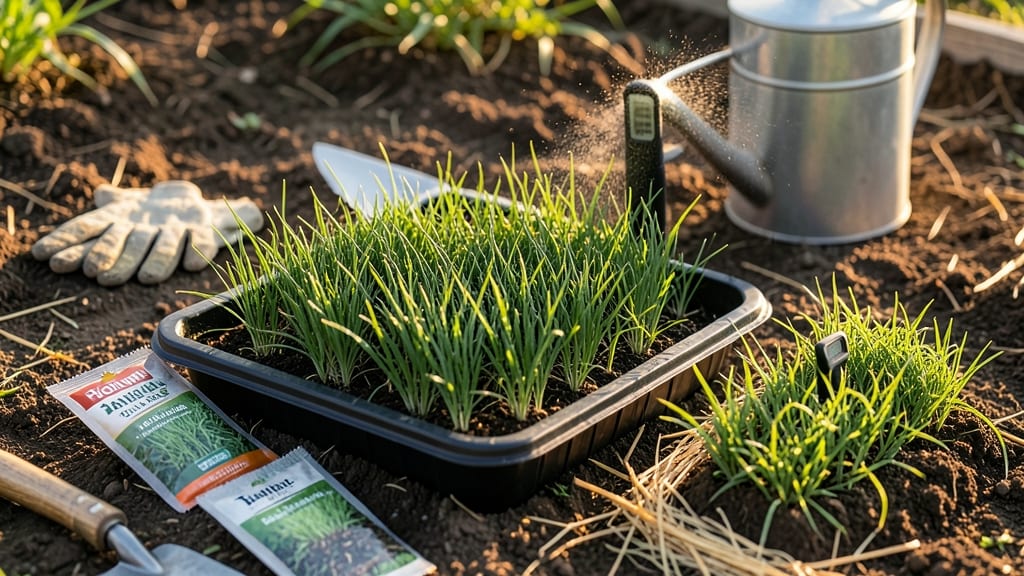
If you’ve ever stared at your patchy Florida lawn and wondered when is the best time to plant grass seed in Florida, the answer isn’t just about picking a month—it’s about outsmarting the state’s brutal summer heat and unpredictable storms.
Planting at the wrong time can leave you battling weak germination, fungal issues, or even wasted seed money. But get it right, and you’ll enjoy a lush, resilient lawn that thrives year-round with minimal effort.
The key to success lies in Florida’s two sweet spots: early fall and late spring. These windows offer cooler soil temperatures and steady rainfall—perfect conditions for grass seed to take root before the scorching summer sun or hurricane season kicks in.
Whether you’re in Miami’s tropical zone or Tallahassee’s slightly cooler climate, timing matters more than you might think.
I’ve seen firsthand how a few weeks’ difference can mean the difference between a vibrant lawn and a frustrating do-over. In this guide, I’ll break down the exact months to plant, how to prep your soil, and the grass types that thrive best in Florida’s climate.
No more guessing—just actionable steps to turn your lawn into the envy of the neighborhood.
Ready to skip the trial-and-error? Let’s dive into the best times to plant grass seed in Florida and the secrets that keep it green all year.
Optimal Florida grass seed planting months: avoid heat and rainfall pitfalls
Florida’s climate is a double-edged sword for grass seed—too hot, and your seed burns up; too wet, and fungal diseases take over. The best times to plant grass seed in Florida are early fall (August-September) and late spring (March-April).
These windows offer the perfect balance of soil temperatures between 65-75°F and steady rainfall, giving your seed the best chance to germinate and establish roots before extreme weather hits.
If you’ve ever tried planting in summer (June-August), you know the struggle—scorching heat dries out seed before it sprouts, while winter (December-February) brings unpredictable storms that can wash away fresh seed.
Even Florida’s USDA zones 8a-11 don’t escape these challenges, which is why timing is everything. Let’s break down the two ideal planting windows and why they work best for your Florida lawn.
🌱 Visual Tip: Use a soil thermometer to check temperatures before planting. Aim for 65-75°F—any hotter, and germination drops dramatically.
Early fall is my top recommendation for Florida gardeners. The August-September window gives your grass seed a head start before the hurricane season peaks in October. The soil stays warm enough for germination but cools just enough to reduce stress on young seedlings.
Plus, weed competition is naturally lower in fall, so your new grass has a better chance to establish without battling crabgrass or clover.
For those in North Florida (e.g., Gainesville, Tallahassee), late spring (March-April) can also work well, especially if you’re planting cool-season grasses like ryegrass.
However, most Florida homeowners opt for warm-season grasses like St. Augustine or Zoysia, which thrive in the heat but need that early fall window to avoid summer burnout.
One common mistake I see is planting too late in the year. If you wait until October or November, your grass may not establish strong roots before winter rains and cooler temps slow growth.
The goal is to give your lawn 8-12 weeks of ideal conditions before the next season’s challenges arrive.
Pro tip: If you’re in South Florida (Miami, Fort Lauderdale), where summers are even hotter, focus on early fall (August) planting. The humidity is still high, but the temperatures are dropping just enough to avoid seed scorch.
Use a lightweight mulch like straw to retain moisture and protect the seed from the intense sun.
Remember, Florida’s microclimates can vary dramatically even within a few miles. Check your local Cooperative Extension Service for hyper-local advice, especially if you’re near coastal areas where salt spray or sandy soil might affect germination.
Now that you know the best months, the next step is preparing your lawn for success. We’ll cover that in the next section, including how to tackle Florida’s sandy soil and weed-heavy conditions before planting.
Optimal Florida grass seed planting months: avoid heat and rainfall pitfalls
Florida’s climate makes timing everything—especially grass seed planting—critical. The best months to plant are September through November (early fall) and March through early May (late spring). These windows align with cooler soil temperatures and steady rainfall, giving seeds the ideal conditions to germinate without battling extreme heat or drought.
Why these months? During summer, Florida’s soil temperatures often exceed 85°F, which can bake grass seeds before they sprout. Meanwhile, hurricane season (June-November) brings heavy rains that can wash away newly planted seeds or cause waterlogging. Planting outside these windows risks weak germination, fungal growth, or even seed erosion.
Let’s break down the two ideal windows and why they work best for Florida’s unique conditions. Whether you’re in North Florida’s cooler zones or South Florida’s tropical heat, these timelines are your roadmap to success.
| Planting Window | Soil Temp (°F) | Rainfall (in/month) | Key Benefits | Risks to Avoid |
|---|---|---|---|---|
| Early Fall (Sept-Nov) | 75-85°F | 4-6 inches | Cooler temps, steady rain, hurricane season tapers off | Late Sept storms, fungal growth if overwatered |
| Late Spring (March-Early May) | 65-75°F | 2-4 inches | Warmer soil, less competition from weeds | Late May heat waves, drought stress |
| Summer (June-Aug) | 85-95°F | 6-10 inches | None (avoid at all costs) | Seeds bake, fungal growth, hurricane erosion |
| Winter (Dec-Feb) | 55-65°F | 2-3 inches | Cooler temps, slower growth (okay for cool-season grasses) | Weak germination, frost risk in North Florida |
If you’re in North Florida (zones 8a-9a), aim for late March to early May or September to October. The cooler temperatures here make early fall especially ideal, as soil stays moist longer.
Meanwhile, South Florida (zones 10a-11) gardeners should focus on September-November to avoid the brutal summer heat and hurricane season’s late peaks.
Pro tip: Check your soil temperature before planting—use a soil thermometer to ensure it’s between 65-75°F. If it’s hotter, wait; if it’s cooler, you’re golden. This small step can mean the difference between a thin, patchy lawn and a dense, green carpet.
Timing isn’t just about the calendar—it’s about reading your local microclimate. Pay attention to shade patterns, rainfall forecasts, and even your neighbors’ lawns. If their grass is thriving, they’re likely planting at the right time.
And remember: patience is key. Grass seed needs consistent moisture and time to establish roots, so don’t rush the process.