
Trees
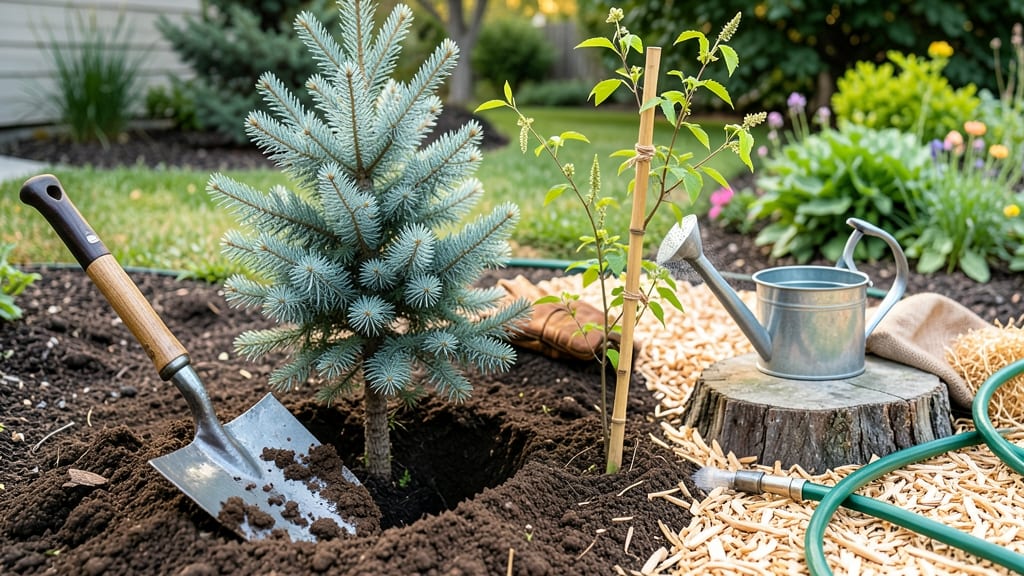
Timing your 🌳 tree planting in Colorado isn’t just about picking a month—it’s about reading your local microclimate like a pro. Plant too early, and frost will sabotage your sapling’s roots; too late, and your tree might struggle to establish before winter sets in.
The best window actually depends on whether you’re in the Front Range, Western Slope, or high plains—each with its own frost quirks and soil stories.
Most gardeners swear by fall planting (September-October) because cooler temps mean less stress for roots, while spring (March-April) gives trees a head start before summer’s dry heat kicks in. But here’s the kicker: Colorado’s elevation changes everything.
A tree planted in USDA Zone 5 might thrive in March when Zone 8’s last frost has already passed—so knowing your exact microclimate is the key to success.
In this guide, I’ll break down the exact months that work for your specific corner of Colorado, plus how to prep your soil and pick the right tree species for your yard’s challenges.
Whether you’re battling wind, rocky soil, or unpredictable frost, you’ll learn how to give your 🌳 tree the fighting chance it deserves—no guesswork required.
Ready to plant with confidence? Let’s dive into the science behind Colorado’s planting calendar and the 3 mistakes that could turn your new tree into a sad, stunted shadow of its potential.
Colorado’s 3 planting Zones: microclimate-specific months for tree success
Colorado’s diverse geography means your tree’s success hinges on microclimate timing. The Front Range, Mountain Regions, and High Plains each have unique frost dates and soil conditions that dictate the best planting window.
Ignoring these can lead to frost heave or stunted growth, so let’s break it down by zone.
For Front Range cities like Denver and Boulder (USDA Zones 5-7), aim for March–April or September–October. These months align with soil temperatures above 40°F, giving roots time to establish before winter.
In contrast, high-elevation areas (Zones 3-5) like Aspen or Leadville should wait until late May or plant in early September to avoid late frosts.
The High Plains (Zones 5-6) have earlier springs, so February–March works for bare-root trees, while container-grown trees thrive in September–October. Always check your last frost date—Colorado’s ranges from March 15 in Denver to June 1 in Grand Junction.
🌱
Spring planting (March–April) gives trees 6–8 weeks of active growth before winter, while fall planting (September–October) lets roots establish without competing with summer heat. For container-grown trees, fall is ideal—they’re less stressed and can hydrate roots before dormancy.
Soil temperature matters more than calendar dates. Use a soil thermometer to confirm 40°F+ for root growth. In high-elevation zones, wait until late May to avoid late spring frosts, which can kill tender new shoots.
🌿
Colorado’s elevation gradients create microclimates where a blue spruce thrives in Zone 4 but wilts in Zone 7. Match your tree species to your zone—Colorado blue spruce for mountains, hackberry for plains, and serviceberry for Front Range gardens.
Always check the USDA Hardiness Zone Map for your exact location.
Pro tip: Bare-root trees planted in early spring (before buds swell) have higher survival rates, while container-grown trees planted in fall avoid transplant shock. Both strategies leverage Colorado’s short growing season efficiently.
☀️
Don’t rely on calendar months alone—watch for leaf bud swell in spring or color change in fall. These natural cues confirm your tree is ready to adapt to Colorado’s unpredictable weather. Pair timing with proper soil prep (next section!) to ensure roots thrive year-round.
How to prepare soil and choose tree species for Colorado’s short growing season
Colorado’s short growing season and diverse microclimates demand careful soil prep before planting trees. The key is to amend heavy clay soils in the Front Range and improve drainage in sandy soils common on the Western Slope.
Start by testing your soil’s pH—most Colorado trees thrive in neutral to slightly alkaline conditions (6.0-7.5).
For container-grown trees, plant in fall (September-October) when roots can establish before winter. Bare-root trees should go in early spring (March-April) while soil is still workable but frost-free. The 10-10-10 fertilizer ratio works well for most species, but evergreens like Colorado blue spruce prefer a low-nitrogen blend.
| Soil Type | Amendments Needed | Best Tree Species |
|---|---|---|
| Clay (Front Range) | Compost + gypsum | Hackberry, Green Ash |
| Sandy (Western Slope) | Peat moss + organic matter | Ponderosa Pine, Russian Olive |
| Mountain (High Elevation) | None (natural loam) | Engelmann Spruce, Quaking Aspen |
After planting, mulch heavily (3-4 inches) with wood chips to retain moisture and regulate soil temperature. Keep mulch 6 inches away from the trunk to prevent rot. For drought-prone areas, consider deep-rooted species like Russian olive or cottonwood, which tolerate Colorado’s arid conditions.
Water deeply once per week for the first two months after planting, then taper to bi-weekly once roots establish. Evergreens need consistent moisture, while deciduous trees can handle slightly drier conditions once established. Avoid overhead watering to prevent fungal diseases like canker.
In high-elevation areas (7,000+ ft), prioritize cold-hardy species like Colorado blue spruce or limber pine. These trees handle shorter growing seasons and late frosts better than tender varieties. Always acclimate container-grown trees to outdoor conditions for 7-10 days before planting to avoid transplant shock.
For urban planting, choose smaller trees like dwarf Alberta spruce or serviceberry to avoid root competition with sidewalks. Always call 811 before digging to check for underground utilities—Colorado’s Front Range has dense infrastructure that can damage young roots.