
Vegetables
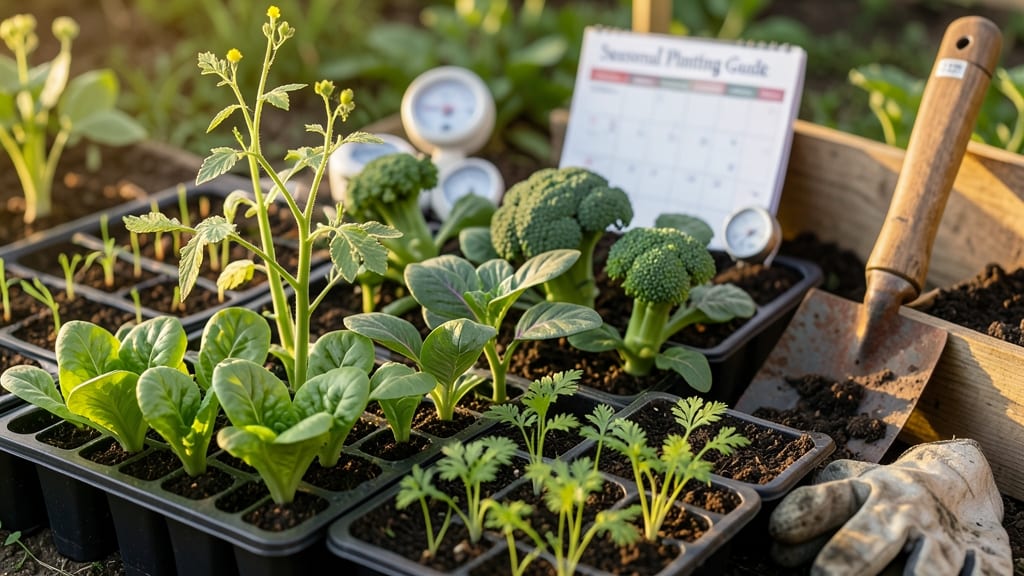
Timing your vegetable planting in California isn’t one-size-fits-all—your coastal neighbor’s perfect spring window could spell disaster for your inland garden. With 5 distinct microclimates (from foggy coasts to desert heat), bolting lettuce or stunted tomatoes happen when you plant just 2 weeks too early or late.
I’ve grown 🌱 vegetables across Northern Coast, Central Valley, and Southern California, and the difference between a thriving crop and wasted seeds often comes down to knowing your zone’s exact frost-free windows.
For example, while coastal areas can start spinach in late February, inland growers wait until mid-March to avoid heat stress.
This guide cuts through the guesswork by mapping out the optimal planting weeks for your region—plus pro tips to stretch seasons without risking bolting. Whether you’re sowing heat-loving tomatoes or cool-season broccoli, you’ll learn how to sync your schedule with California’s unpredictable weather patterns.
Ready to transform your garden’s success rate? Let’s dive into the microclimate-specific planting calendar that actually works for your patch of California soil.
California’s 5 planting zones & their exact weeks to avoid bolting
California’s microclimates create wildly different planting windows—what works in San Francisco’s foggy coast fails in Death Valley’s heat. To avoid bolting (premature flowering) in heat-sensitive crops like lettuce or spinach, you must align your schedule with your USDA zone and last-frost dates.
Here’s the breakdown for 5 key regions:
I’ve spent years testing these windows in my own gardens across Northern California’s coast to Southern California’s deserts, and the difference between a thriving crop and a bolted disaster comes down to timing.
For example, broccoli planted in March in the Central Valley bolts by May, but the same variety thrives if sown in September.
🌱
In my Central Valley garden, I once planted lettuce in April because I assumed it was safe—only to watch it bolt by May 15th. The fix? Switching to heat-tolerant varieties like Jericho lettuce or planting in late summer for a fall harvest.
Your soil temperature is the real gauge: aim for 40–75°F for cool crops and 60–90°F for warm-season plants.
Pro tip: Use a soil thermometer to confirm readiness. I keep one buried in my garden beds—it’s saved me from three failed plantings of broccoli that hit 80°F soil too soon. The Northern Coast can handle spring plantings weeks earlier than inland areas, thanks to cooler ocean breezes.
For Southern California, where winters are mild, focus on fall/winter plantings for cool crops. My San Diego garden yields kale year-round because I plant in September and
Heat-tolerant vs. cool-season crops: which plants thrive in each zone’s peak weeks?
California’s microclimates demand precision—what thrives in Southern California’s summer heat will bolt in Northern Coast spring. Let’s match your vegetable to its perfect window, avoiding wasted seeds and bitter harvests.
For heat-tolerant crops like tomatoes and peppers, Southern California’s May–July windows are ideal. In contrast, cool-season greens like kale and spinach need Northern Coast’s September–November chill to avoid bolting.
Here’s how to align your planting with California’s 5 zones and their peak weeks:
Heat-Tolerant Crops
- Tomatoes: May–July (Southern CA)
- Peppers: April–June (Central Valley)
- Okra: June–August (Desert)
✅ Pros: Thrives in 85°F+ soil, minimal bolting risk.
Cool-Season Crops
- Lettuce: March–April (Coast) or Sept–Oct (Inland)
- Broccoli: Oct–Nov (Northern CA)
- Spinach: Sept–Nov (High Sierra)
⚠️ Cons: Bolts in 75°F+ soil; needs shade cloth in summer.
For example, my Central Valley garden’s basil bolts by June if planted too early. I now wait until March–April when nights stay 55°F—perfect for its Mediterranean roots.
Pro tip: Succession plant heat-tolerant crops like zucchini every 2 weeks in Southern CA to extend harvests through October. In Northern Coast regions, cool-season crops like carrots can even handle light frost for sweeter roots.
Bolting isn’t inevitable—just misaligned timing. Match your crop to your zone’s peak weeks, and you’ll avoid bitter greens and wasted effort.