
Plants
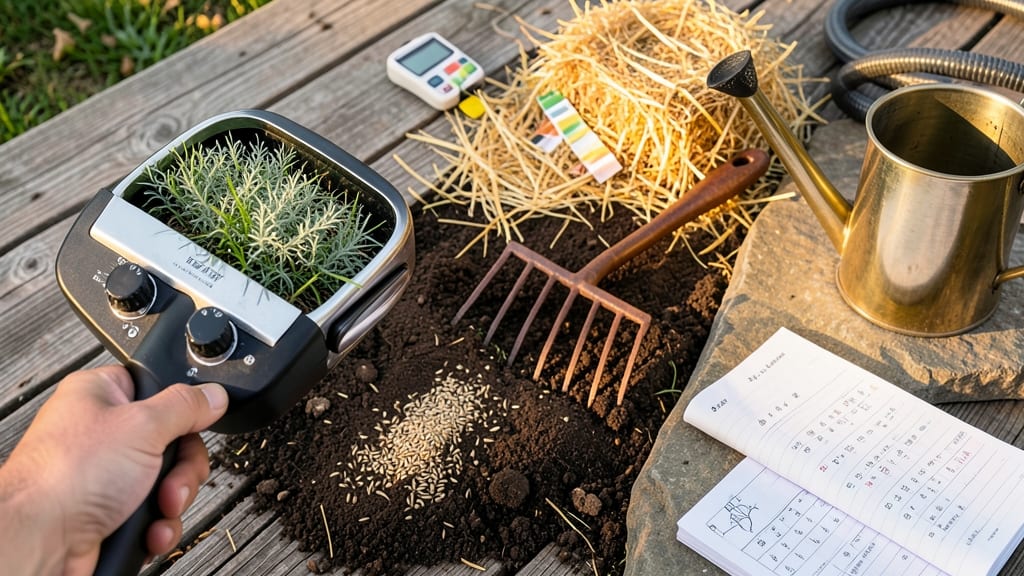
Timing your grass seed planting in Colorado isn’t just about the calendar—it’s about altitude, microclimates, and soil temperatures that can shift your perfect window by weeks. Get it wrong, and you’ll battle weeds or watch your seed bake in the high plains sun.
But nail it, and you’ll unlock a lush, drought-resistant lawn that thrives in Colorado’s unique growing conditions.
Most gardeners assume spring is the only time to plant 🌱, but late summer to early fall often works better for Colorado’s 5-7 (varies by region) zones. Why? Cooler soil temperatures and consistent moisture give seeds the ideal conditions to sprout before winter sets in.
We’ll break down exactly when to plant based on your elevation—whether you’re in Denver’s Front Range or the Western Slope’s high desert.
You’ll also discover how to read your soil’s temperature (a game-changer for germination) and which grass types—like cool-season Kentucky bluegrass or drought-tolerant tall fescue—align with Colorado’s short growing seasons. Skip the guesswork and learn the science-backed deadlines that keep your lawn thriving year after year.
Ready to transform your patchy yard into a vibrant green space? Let’s dive into the microclimate-smart planting schedule that works for Colorado’s diverse landscapes—no more wasted seed or missed opportunities.
Colorado grass seed planting deadlines by elevation zone (with microclimate adjustments)
Colorado’s elevation extremes create wildly different planting windows—what’s perfect in Denver (5,280 ft) may fail in Telluride (8,750 ft). Most gardeners focus on USDA Zones 5-7, but microclimates (urban heat, mountain winds) shift deadlines by 4-6 weeks.
Let’s break it down by region so you plant when soil temps and rainfall align with your grass seed’s needs.
For Front Range cities (Denver, Boulder, Fort Collins), aim for late August through mid-September (fall) or mid-April to early May (spring).
At 6,000–7,000 ft, soil warms faster than mountain areas, giving you a 6-week window where germination succeeds without summer heat stress. Western Slope (Grand Junction, Durango) shifts these dates 2–3 weeks earlier due to lower humidity and faster soil drying.
Mountain communities (above 8,000 ft) like Steamboat Springs or Aspen must plant earlier in spring (March 15–April 15) or late July–early August to avoid short growing seasons. Here, cool-season grasses like fine fescue thrive, but warm-season types (Bermuda) struggle—even if planted at the "right" time.
🌱Pro Tip: Use Colorado State University’s PlantTalk Colorado tool to input your exact elevation and last frost date for hyper-localized advice. Their data shows Denver’s frost-free season averages 160 days, while Grand Junction’s stretches to 200+ days—a critical difference for seedling survival.
| Elevation Zone | Ideal Planting Window | Soil Temp Range (°F) | Microclimate Adjustments |
|---|---|---|---|
| Front Range (5,000–7,000 ft) | Late Aug–Mid-Sept (Fall) / Mid-April–Early May (Spring) | 50–65°F | Urban areas: Plant 1–2 weeks earlier (heat islands warm soil faster). |
| Western Slope (4,000–6,000 ft) | Late July–Early Sept (Fall) / Early April–Mid-May (Spring) | 55–70°F | Arid climates: Water deeply 2x/day for first 10 days. |
| Mountain Regions (7,000–9,000 ft) | Late July–Early Aug (Fall) / March 15–April 15 (Spring) | 45–55°F | High winds: Use erosion mats until grass reaches 3 inches. |
| High Peaks (9,000+ ft) | June–Early July (Only Spring) | 40–50°F | Short season: Choose fast-germinating fine fescue blends. |
Your lawn’s aspect (which way it faces) can shift your ideal date by up to 3 weeks. A south-facing slope in Fort Collins may hit 60°F soil temps by April 1, while a north-facing yard might need to wait until May 1.
Use a soil thermometer ($10 at garden centers) to confirm—plant when temps hit 50°F for 5 consecutive days.
Common mistake: Planting Kentucky bluegrass in Denver’s summer (June–July) because "it’s warm." The seeds bake in 90°F+ soil, leading to 0% germination. Instead, opt for tall fescue, which tolerates 75°F soil better. Pro tip: If you must plant in summer, water 3x daily to keep soil below 70°F.
💧Watering Hack: In dry years (like 2020–2022), Colorado’s fall planting success dropped by 40% due to early frosts. To hedge your bets, pre-soak your seedbed for 24 hours before planting and use mulch (straw, not plastic)
5 Critical factors that shift your planting window in Colorado (and how to adapt)
Colorado’s microclimates can shift your ideal grass seed planting window by 30+ days. One neighbor’s perfect timing might leave your lawn struggling—or thriving—because of soil temperature, elevation, or even your yard’s aspect (the direction it faces).
Let’s break down the 5 game-changers that determine your exact planting date.
First, soil temperature is non-negotiable. Grass seed needs 50°F–65°F soil temps to germinate. In Denver, that’s typically mid-April to early May for spring planting, but at 10,000 feet in the mountains, wait until late May or June. Use a soil thermometer ($10 at garden centers) to avoid guesswork.
Altitude is the second big player. Every 1,000 feet gain pushes your planting window 1–2 weeks later. For example, Fort Collins (5,000 ft) can plant in early April, while Aspen (8,000 ft) should wait until late May. Check your USDA hardiness zone (Colorado ranges from Zone 4–7) and adjust accordingly.
| Factor | Impact on Planting Window | How to Adapt |
|---|---|---|
| Soil Temperature | 50°F–65°F = go; <70°F = wait | Use a soil thermometer; test at 4" depth |
| Altitude | +1,000 ft = delay 1–2 weeks | Check USDA zone; mountain areas need later dates |
| Aspect (Direction) | South-facing = earlier; north-facing = later | Plant south slopes in spring; north slopes in fall |
| Rainfall Patterns | Dry spells = plant earlier; wet springs = delay | Monitor NOAA forecasts; aim for steady moisture |
| Wind Exposure | High winds = dry soil; delay until calmer | Use windbreaks or plant in fall for protection |
Your lawn’s aspect (the direction it faces) can also shift timing. A south-facing slope warms faster, letting you plant 2–3 weeks earlier in spring. But a north-facing yard stays cooler—ideal for fall planting (August–September) when soil temps are perfect.
Shade from trees or buildings? Opt for fine fescue, which tolerates cooler conditions.
Rainfall patterns are another wild card. Colorado’s dry springs (like 2023) mean planting too late risks drought stress, while wet springs (like 2019) can delay germination. Check the NOAA 7-day forecast before seeding—you need consistent moisture for the first 2 weeks. If rain’s unreliable, use a drip irrigation system ($20–$50) to keep soil evenly damp.
Finally, wind exposure can dry out seed before it germinates. Lawns in open plains (e.g., eastern Colorado) need extra care: plant in fall when winds are calmer, or use windbreaks like shrubs or temporary fencing.
Pro tip: Lightly rake seed into soil to weigh it down—this reduces wind blowout by 40%.
Pro move: Test your soil’s readiness with Colorado State University’s free soil test kits (available via CSU Extension). Their reports include organic matter and pH adjustments—critical for Colorado’s alkaline soils. With these factors nailed down, you’ll plant at the exact moment your grass seed takes off like a rocket.