
Planting
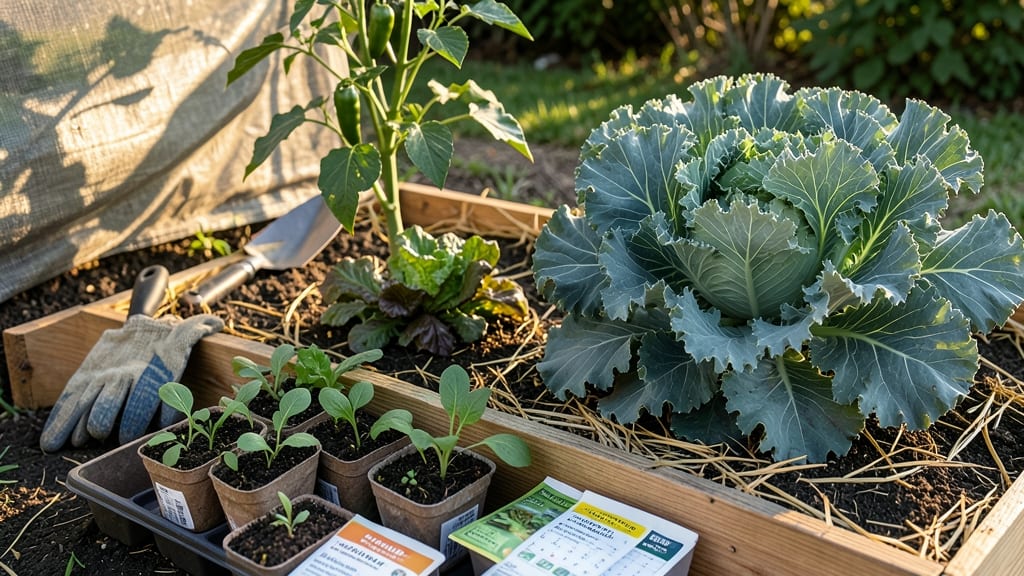
Planting a fall garden in Houston, Texas, isn’t just possible—it’s your chance to beat the heat and harvest before frost sets in. With the right timing, you can grow a thriving 🥕 garden that outlasts summer’s lingering warmth and delivers fresh produce straight through December.
Here’s the secret: Houston’s 9a climate gives you a narrow but golden window between August and October to plant heat-tolerant crops like okra, sweet potatoes, and collards.
Miss this window, and you risk stunted growth or early frost damage—but get it right, and you’ll enjoy a bountiful harvest when others are bundling up.
I’ve tested these strategies in Houston’s humidity and soil, and the results speak for themselves. You’ll learn exactly when to plant each crop, how to prep your soil for maximum yield, and which varieties thrive in Houston’s unique conditions. Let’s turn your backyard into a fall harvest haven—without the guesswork.
Whether you’re a seasoned gardener or just starting, these actionable tips will help you avoid common mistakes and extend your growing season. Ready to dig in? Let’s make your fall garden the envy of the neighborhood.
Houston’s fall planting timeline: exact dates for heat-tolerant vegetables
Houston’s fall gardening season runs from mid-August through October, but timing is everything. The key is planting heat-tolerant crops early enough to establish roots before the first frost (usually December 1).
Start with warm-season crops like sweet potatoes in August, then transition to cool-season favorites like collards and kale by September.
Your soil temperature is critical—ideal planting occurs when soil cools below 85°F. Use a soil thermometer to check before sowing seeds. Houston’s humidity and heat can delay germination, so prioritize fast-sprouting varieties like radishes or turnips for early fall harvests.
Here’s your month-by-month breakdown of what to plant and when, tailored to Houston’s climate:
| Month | Planting Window | Crops to Plant | Notes |
|---|---|---|---|
| August | Early August | Sweet potatoes, okra, black-eyed peas | Plant before soil cools below 85°F. |
| September | Mid-September | Collards, kale, turnips, radishes | Soil temp drops to 75-80°F—perfect for cool crops. |
| October | Early October | Broccoli, cabbage, lettuce, spinach | Plant 6-8 weeks before first frost for harvest. |
| Late October | Late October | Garlic, onions, peas | Plant bulbs for spring harvest; peas tolerate light frost. |
For succession planting, sow fast-growing crops like radishes or lettuce every 2-3 weeks in September and October. This ensures a continuous harvest before frost. Use shade cloth (30-50%) to protect tender greens from late-season heat spikes, which can still hit 90°F in October.
Monitor Houston’s rainfall patterns—too much rain can drown seeds or cause fungal diseases. Amend clay-heavy soil with compost to improve drainage, and mulch with straw or pine needles to retain moisture and suppress weeds. This prep work is just as critical as planting dates.
Pro tip: Direct-sow seeds instead of transplanting when possible. Houston’s heat can shock young seedlings, and transplants often struggle to adapt. Start with seed packets labeled “heat-tolerant” or “quick-maturing” for best results.
If you’re new to fall gardening in Houston, start small with 1-2 crops to test your timing. For example, plant radishes in mid-September—they’ll mature in 30 days and give you instant feedback on your soil and watering routine.
Remember, Houston’s frost date is unpredictable. While the average first frost is December 1, some years see frost as early as November 15. Keep a frost cloth on hand to protect late-season crops like broccoli or cabbage if temperatures dip below 32°F.
🌱
Top 5 heat-tolerant crops for Houston’s fall garden (and how to extend their season)
Houston’s fall garden thrives when you choose heat-tolerant crops that handle the lingering summer heat while still producing before frost. These five varieties are my go-to picks for Houston’s unique climate—drought-resistant, fast-growing, and packed with flavor. Let’s dive into the best options and how to keep them producing longer.
First up are okra and black-eyed peas, two Southern staples that love Houston’s heat. Okra thrives in temperatures up to 95°F and can even handle brief droughts, while black-eyed peas mature quickly—often ready to harvest in just 60 days.
Both do well in poor, sandy soil, making them perfect for Houston’s clay-heavy gardens with added compost.
Next, consider Malabar spinach, a vine-like green that stays crisp in the heat and doesn’t bolt like traditional spinach. It’s a perennial in Houston’s zone 9a, meaning it can regrow year after year if protected from frost.
Pair it with sweet potatoes, which actually need warm soil to germinate—plant them in late August for a fall harvest.
Don’t overlook collard greens and turnips for late-season harvests. Collards handle light frosts and become sweeter after a few chilly nights, while turnips mature in just 45 days.
Both tolerate partial shade, making them great for Houston’s intense afternoon sun if you’re using shade cloth or planting near taller crops.
🌱
🌿 Heat-Tolerant Crops: Pros & Cons for Houston’s Fall Garden
Okra
- Thrives in 90-95°F
- Drought-tolerant
- Fast-growing (50-60 days)
- Needs deep, well-draining soil
- Can attract pests like aphids
Black-Eyed Peas
- Ready in 60 days
- Fixes nitrogen in soil
- Tolerates poor soil
- Susceptible to root rot if overwatered
- Needs staking for vining types
Malabar Spinach
- Perennial in Houston
- Heat- and drought-resistant
- No bolting in heat
- Needs trellising for vines
- Slower growth than lettuce
To extend your fall harvest, use succession planting for quick crops like radishes or lettuce. Sow seeds every 2 weeks in September to keep a steady supply.
For heat-sensitive crops, try shade cloth (30-50%) to lower soil and air temperatures by 10-15°F, which can delay frost damage by 2-3 weeks.
For extra protection, add a lightweight row cover when nighttime temperatures dip below 50°F. This simple trick can buy you an additional 4-6 weeks of growing time. My favorite late-season crops under cover? Bok choy and arugula—both handle cooler temps and add vibrant color to your fall garden.
🌿