
Planting
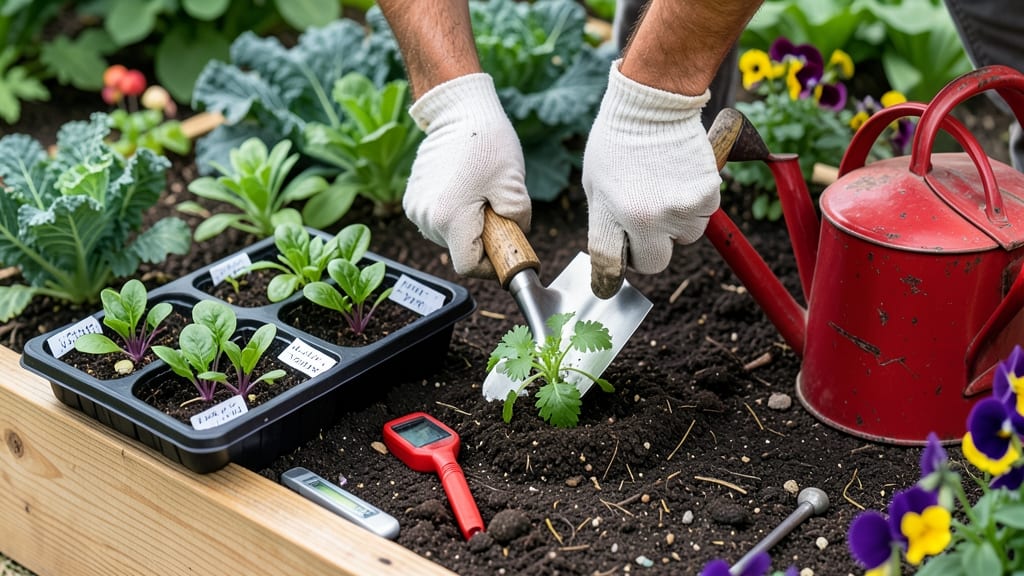
Timing when to plant a garden in Georgia perfectly means the difference between a thriving harvest and wasted seeds—especially when dealing with heat-sensitive crops that bolt faster than you can say "Peach State summer."
With USDA Zones 7b-8b and frost dates that shift from mid-March to October, Georgia’s planting window is deceptively tricky. Plant too early, and your lettuce will turn bitter before you can blink; too late, and your tomatoes won’t ripen before the first frost sneaks in.
The key? Mastering the exact months for cool-season starts (like broccoli in February) and warm-season powerhouses (tomatoes in May).
I’ve spent years testing what works in Georgia’s humid climate, from the Coastal Plain’s longer growing season to the Piedmont’s earlier frosts. Whether you’re a first-time gardener or a seasoned pro, these heat-tolerant strategies will help you beat bolting and maximize your yield—no guesswork required.
Ready to unlock Georgia’s full gardening potential? Let’s dive into the month-by-month breakdown that’ll keep your 🌱 General Garden thriving all season long.
Georgia’s exact planting months by crop type (cool vs. warm season)
Georgia’s USDA Zones 7b-8b offer two prime planting windows: spring (March–April) and fall (August–September). But timing varies wildly between cool-season crops (like broccoli) and warm-season crops (like tomatoes). Miss the window, and you’ll either fry your greens or freeze your squash.
Let’s break it down by region and crop type so you can align your planting schedule with Georgia’s unpredictable weather patterns.
In the Coastal Plain, where humidity lingers longer, start cool-season crops as early as late February under row covers. Meanwhile, the Piedmont and Mountain regions can wait until mid-March to avoid frost.
For warm-season crops, Coastal areas can plant peppers and tomatoes by mid-April, while the Mountains should wait until late April to escape late frosts. Fall planting? Coastal gardeners can sow spinach and kale until early October, while the Mountains must finish by mid-September.
Pro Tip: Use a soil thermometer to confirm 60°F+ soil temps for warm-season crops. Cool-season crops thrive in 50–65°F soil. Georgia’s humidity also speeds up germination—soak seeds overnight before planting to avoid drying out.
🌱
For direct sowing, stick to the table above—but for transplants, start seeds 6–8 weeks before your region’s last frost. For example, if your last frost is April 1, begin tomato seedlings indoors by February 1.
Georgia’s humidity speeds up seedling growth, so use grow lights to prevent leggy seedlings.
🌿
One common mistake? Planting cucumbers and squash too early. These heat-lovers need consistent 75°F+ soil to thrive. If you plant them in April in the Piedmont, they’ll bolt or rot. Instead, wait until mid-May or use black plastic mulch to warm the soil faster.
For fall crops, prioritize fast-maturing varieties like ‘Early Girl’ tomatoes or ‘Black Beauty’ zucchini to harvest before frost.
🌡️
Need a quick reference? Bookmark this: Coastal gardeners plant 2 weeks earlier than Piedmont/Mountain regions. And always check the Almanac’s frost predictor for your exact county—Georgia’s microclimates can vary by 10+ days even within 50 miles.
Pro move: Plant succession crops like bush beans every 2 weeks from April to July for continuous harvests.
How to beat bolting in Georgia’s heat: 5 proven strategies for heat-tolerant crops
Georgia’s summer heat can turn your crisp lettuce into bitter bolts faster than you can say "garden fail." But with the right strategies, you can extend your growing season and keep your greens, herbs, and other heat-sensitive crops thriving.
The key? Understanding how to cool roots, manage soil temps, and choose the right varieties for Zone 7-8 climates.
Bolting happens when plants sense stress from heat (above 80°F) or long daylight hours, triggering them to flower and go to seed. For Georgia gardeners, this means spring and fall are your golden windows—but even then, a few degrees too warm can ruin your harvest.
Let’s tackle this with science-backed tactics that actually work in our humid, hot summers.
- 1. Use shade cloth to block 30-50% sunlight during peak heat (11 AM–3 PM). This keeps soil temps 10-15°F cooler and slows bolting in crops like lettuce and spinach.
- 2. Mulch heavily with straw or wood chips to insulate roots. Aim for 3-4 inches—this maintains consistent soil moisture and prevents temperature spikes.
- 3. Plant heat-resistant varieties like Romaine lettuce, Malabar spinach, or Swiss chard. These tolerate 90°F+ temps better than traditional greens.
- 4. Water deeply in the morning to cool soil and encourage deep root growth. Avoid evening watering—it promotes fungal diseases in Georgia’s humidity.
- 5. Succession plant every 2-3 weeks in spring/fall. This ensures a continuous harvest before bolting sets in. Try fast-growing crops like radishes or bush beans as fillers.
Don’t overlook soil temperature—it’s just as critical as air temp. Use a soil thermometer to monitor levels. Most cool-season crops need soil temps below 75°F to avoid bolting.
If your soil hits 80°F+, it’s time to shade your plants or switch to heat-loving crops like okra or sweet potatoes.
Another game-changer? Adjust your planting schedule based on Georgia’s microclimates. Coastal areas (like Savannah) have earlier springs and later falls, while the Piedmont (Athens) and Mountains (Blue Ridge) can have frost until November.
Use this to your advantage—plant heat-tolerant crops in early summer (June) when coastal areas are still mild.
Pro tip: Harvest outer leaves first from crops like lettuce or kale. This reduces stress on the plant and gives you weeks of harvest before bolting takes over. Pair this with regular harvesting, and you’ll stretch your season by 30-45 days—perfect for Georgia’s short but intense growing windows.
Remember, bolting isn’t always bad—it’s how plants reproduce! But with these strategies, you’ll delay the process long enough to enjoy crisp, tender greens instead of bitter bolts. Now grab your shade cloth and get planting—your garden’s sweet spot is waiting! 🌱