
Planting
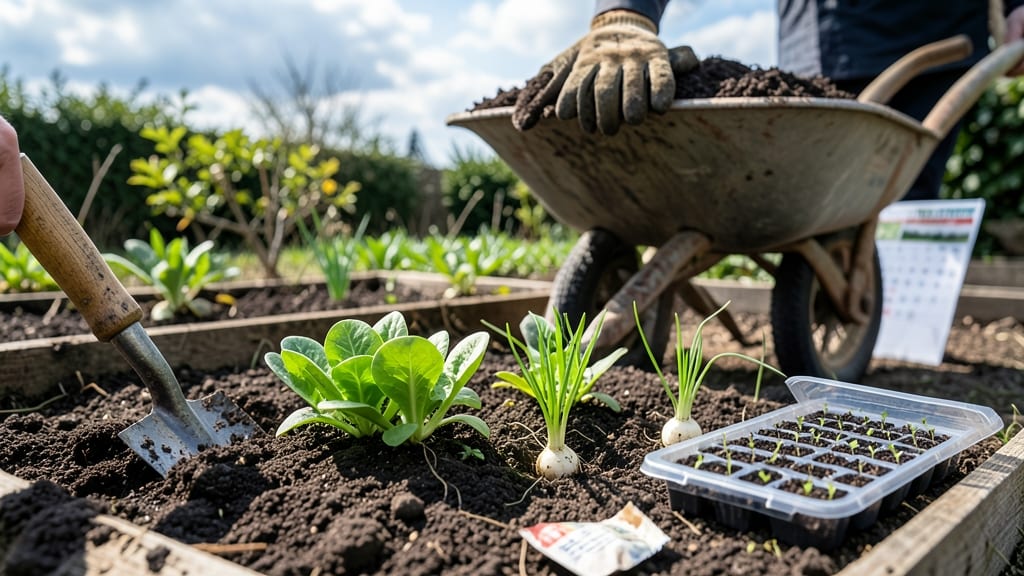
Timing when to plant a garden in New Brunswick perfectly means the difference between a thriving harvest and wasted effort.
With frost dates varying from Fredericton’s chilly May 15 to Saint John’s slightly later May 22, getting the timing right is everything—especially when you’re eyeing those first crisp potatoes or sweet blueberries.
I’ve spent years watching local gardens flourish (and sometimes fail) because of one simple mistake: planting too early or too late. The key isn’t just memorizing dates—it’s understanding how microclimates along the coast or in the Fundy region can shift your ideal window by 1-2 weeks.
Let me show you exactly when to start seeds indoors, when to transplant, and how to adjust for New Brunswick’s unpredictable spring.
Whether you’re a first-time gardener or a seasoned pro, this guide breaks down the best planting times for everything from hardy kale to heat-loving tomatoes.
We’ll also cover how to extend your growing season with row covers and cold frames—so you can keep harvesting well into fall, no matter where you are in the province.
Ready to turn your garden into a productive powerhouse? Let’s dive into the frost-free dates, crop-by-crop timing, and pro tips that’ll have your 🌱 Garden thriving all season long.
New Brunswick frost-free dates by region: planting windows for your Zone
New Brunswick’s planting schedule varies dramatically from the cooler inland regions near Fredericton to the milder coastal areas of Saint John.
The last spring frost typically arrives between May 10 and June 1, while the first fall frost hits anywhere from September 15 to October 15, depending on your location. These dates determine whether you can plant warm-season crops like tomatoes or stick to cool-season greens like kale.
For accurate planning, check the New Brunswick Department of Agriculture’s annual frost forecasts or use the Environment Canada climate maps. My garden in Fredericton (Zone 4b-5a) usually gets its last frost around May 20, while Saint John (Zone 5b-6a) often sees frost-free soil by May 10.
Rural areas in the Fundy Coastal region may even enjoy 10-14 extra frost-free days compared to inland spots.
Microclimates play a huge role—urban areas with concrete and buildings can trap heat, delaying frost, while low-lying spots near rivers may freeze earlier. I’ve noticed my south-facing raised beds warm up 3-5 days earlier than the north side of my yard.
Always scout your garden’s sun exposure patterns before committing to planting dates.
| Region | USDA Zone | Last Frost (Spring) | First Frost (Fall) | Frost-Free Days |
|---|---|---|---|---|
| Fredericton | 4b-5a | May 15-25 | September 20-October 5 | 120-140 days |
| Saint John | 5b-6a | May 5-15 | October 5-15 | 150-170 days |
| Moncton | 5a-5b | May 10-20 | September 25-October 10 | 130-150 days |
| Rural (Fundy Coastal) | 5b-6a | April 25-May 10 | October 10-20 | 160-180 days |
*Dates based on 30-year averages; check local forecasts for yearly adjustments.
If you’re in Zone 4b (Fredericton), wait until after May 20 to plant tomatoes, peppers, and cucumbers, as earlier plantings risk frost damage. In Zone 5b-6a (Saint John), you can start warm-season crops as early as May 5, giving you a longer harvest window.
For cool-season crops like spinach and peas, I plant in early April under row covers to beat the frost.
For 2024-2025 planning, compare this year’s frost dates with historical data. The New Brunswick Agroclimate Atlas shows that Saint John’s last frost has occurred as late as June 5 in 10% of years, while Fredericton’s first frost can arrive as early as September 10.
Always have a backup plan—like row covers or cold frames—for unpredictable years.
Adjust your planting timeline if you notice late-spring frosts in your area.
I once lost my early tomato seedlings to a May 28 frost in Fredericton, but switching to transplants after June 1 saved my harvest. Hardening off seedlings 10-14 days before transplanting also helps them adapt to outdoor conditions.
Pro tip: Use biodegradable plant pots
Best crops to plant in New Brunswick by season: timing for maximum yield
New Brunswick’s cool maritime climate means some crops thrive in spring while others prefer late summer. Cool-season vegetables like kale and peas love early planting, while warm-season favorites like tomatoes and peppers need to wait until after the last frost. Timing is everything for avoiding frost damage and maximizing harvests.
For Fredericton and inland areas (USDA Zone 5a-6a), aim to plant cool crops in early May and warm crops in late May to early June. Coastal regions like Saint John and Moncton (Zone 5b-6b) can start slightly earlier, often by mid-April to early May for hardy greens.
Here’s a quick guide to the best crops and their ideal planting windows:
Don’t forget about perennials like asparagus and rhubarb—they’re planted in early spring but won’t produce until their second year. For late-summer harvests, try planting spinach or lettuce in August for a cool-season boost before frost.
Pro tip: Use succession planting for crops like lettuce and radishes—sow seeds every 2–3 weeks to ensure a continuous harvest. This works especially well in Saint John’s milder coastal climate, where the growing season stretches longer.
If you’re unsure about your local frost dates, check the New Brunswick Department of Agriculture or use a frost-free date calculator tailored to your region. Even a 1–2 week difference can mean the difference between a thriving garden and a failed crop!