
Planting
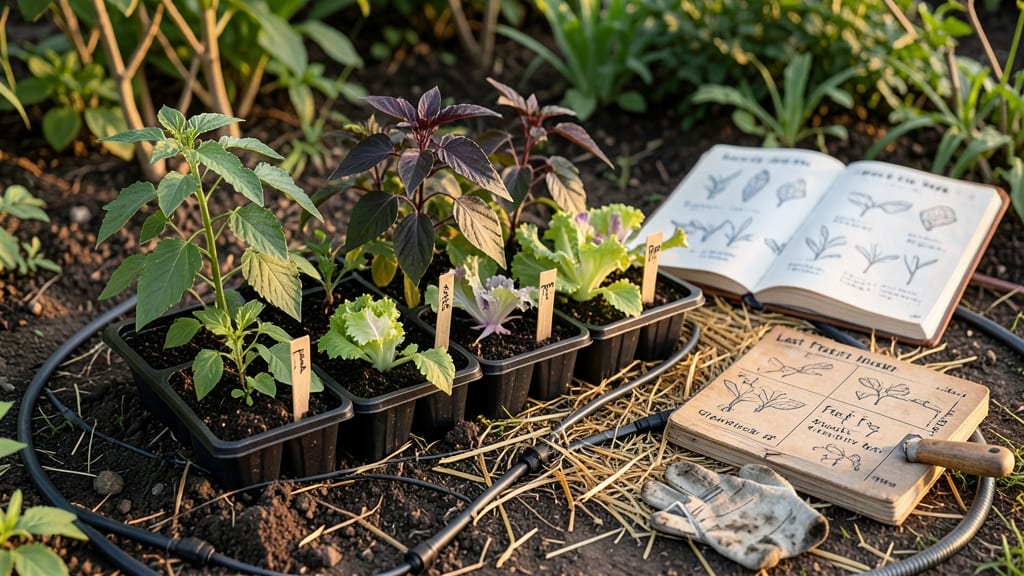
Timing when to plant a garden in Virginia perfectly can mean the difference between a thriving harvest and wasted effort. With the state's diverse climate—from the mild coastal plains to the cooler mountain regions—knowing exactly when to plant your 🌱 General Vegetable Garden is crucial for success.
Most gardeners in Virginia's 6a-8a zones start planning as early as February, but the right window depends on whether you're planting cool-season crops like lettuce or warm-season favorites like tomatoes. Missing these deadlines could leave your plants vulnerable to frost or struggling in the heat.
I'll walk you through the exact planting schedule tailored to Virginia's microclimates, including when to start seeds indoors versus transplanting outdoors. Whether you're a beginner or a seasoned gardener, these insights will help you maximize your growing season and avoid common mistakes.
From preparing your soil in late winter to extending harvests into fall, you'll discover practical tips to make the most of Virginia's unique growing conditions. Let's get your garden off to the best possible start!
Virginia planting zones & deadlines: when to start seeds vs. transplanting
Virginia spans USDA Hardiness Zones 5a to 8a, creating dramatic differences in planting windows. For example, Zone 5a (like the Shenandoah Valley) has a last frost date around April 15, while Zone 8a (Tidewater) sees frost as late as March 15.
These variations mean your neighbor’s planting schedule might not work for you!
Understanding these zones helps you decide when to start seeds indoors versus when to transplant seedlings outdoors. Cool-season crops like lettuce and peas can handle light frosts and often start 4-6 weeks before your last frost date.
Warm-season crops like tomatoes and peppers, however, need soil temperatures above 60°F and should wait until 2-3 weeks after your last frost.
Pro Tip: Use a soil thermometer to confirm soil readiness—warm-season crops won’t thrive in cold soil, no matter how warm the air feels. For Zone 6a, this usually means waiting until mid-April to early May.
For warm-season crops, timing is equally critical. Tomatoes, peppers, and cucumbers need warm soil and air to germinate. In Zone 6a, this means waiting until after May 1 for direct sowing. If you’re impatient, start seeds indoors in March and transplant after the last frost.
Don’t forget about fall planting! Many cool-season crops thrive in Virginia’s mild autumns. For example, kale and broccoli can be planted as late as September 1 in Zone 7a and still produce before frost. Use row covers to extend the season even further.
One common mistake is planting warm-season crops too early. Seeds may rot in cold soil, and seedlings can stunt or die from chilly nights. Always check soil temperature—aim for 60°F+ for warm-season crops and 40°F+ for cool-season crops.
Use a planting calendar tailored to your zone. For instance, Zone 5a gardeners should focus on early spring and late summer plantings, while Zone 8a gardeners can enjoy year-round growing with careful planning. Adjust for microclimates—a south-facing slope warms up faster than a north-facing valley.
Finally, keep an eye on moon phases and weather forecasts. Planting during the moon’s waxing phase is said to boost growth, and avoiding heatwaves or rain forecasts ensures your seedlings get a strong start.
With these deadlines and tips, you’ll be well on your way to a thriving Virginia garden!
Best plants for Virginia’s microclimates: what to grow by region & season
Virginia’s varied geography—from the humid Tidewater region to the cooler Shenandoah Valley—creates distinct growing conditions that favor different plants. In Zone 8a (like Norfolk), heat-tolerant crops like okra and sweet potatoes thrive year-round, while Zone 6a (like Roanoke) rewards gardeners with hardy kale and carrots that survive winter.
Choosing the right plants for your microclimate ensures a longer harvest and fewer struggles.
For coastal Virginia, prioritize salt-tolerant varieties like Swiss chard and collard greens, which handle the salty breeze near the Chesapeake Bay. Inland Piedmont areas benefit from heirloom tomatoes and peppers, which love the warm days and cool nights.
Meanwhile, the Appalachian foothills (Zones 6a-7a) are perfect for potatoes and cabbage, which appreciate the region’s shorter, cooler summers.
Spring planting (March–April) is ideal for cool-season crops like lettuce, spinach, and radishes, while warm-season staples such as beans, squash, and corn should wait until after the last frost (typically mid-April in most zones). Fall planting (August–September) allows for a second harvest of broccoli, cauliflower, and turnips before winter sets in.
🌱 Virginia Microclimate Plant Guide
| Region | Best Crops | Planting Window | Notes |
|---|---|---|---|
| Tidewater (Zone 7b-8a) | Okra, Sweet Potatoes, Eggplant | March–June, August–October | Heat-tolerant; mulch to retain moisture. |
| Piedmont (Zone 6b-7a) | Tomatoes, Peppers, Green Beans | April–May, July–August | Well-draining soil; stake tall varieties. |
| Shenandoah Valley (Zone 6a-7a) | Potatoes, Cabbage, Carrots | March–April, August–September | Cool nights; extend season with row covers. |
| Mountains (Zone 5b-6a) | Kale, Spinach, Radishes | February–March, July–August | Short season; choose fast-maturing varieties. |
Don’t overlook herbs and flowers that thrive in Virginia’s climate. Basil and cilantro love the Piedmont’s warmth, while lavender and rosemary flourish in the drier, cooler Appalachians.
Even native wildflowers like black-eyed Susans and coneflowers attract pollinators and require minimal care. These additions not only beautify your garden but also support local ecosystems.
For container gardening, opt for compact varieties like bush beans, dwarf tomatoes, and strawberries. These thrive in pots and are perfect for balconies or small spaces, especially in urban areas like Richmond or Alexandria.
Just ensure containers have drainage holes and use a lightweight potting mix to prevent root rot.
Experiment with unusual crops that do well in Virginia, such as sunchokes (Jerusalem artichokes) or Malabar spinach. These low-maintenance plants adapt well to Virginia’s soil and climate, offering unique flavors and textures. Start small—try a few new varieties each season—to discover what grows best in your specific microclimate.