
Plants
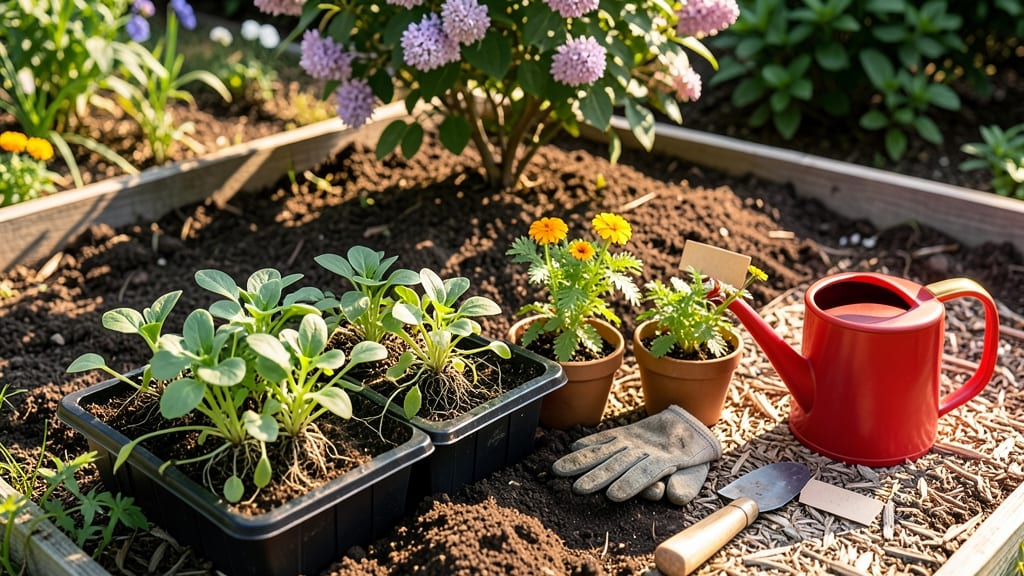
Timing your annuals planting just right in Michigan can mean the difference between a garden bursting with color and one that fizzles before summer even begins. With frost dates that shift yearly, knowing exactly when to plant annuals in Michigan is the key to unlocking vibrant blooms and thriving plants.
I’ve seen firsthand how a few weeks too early or late can leave gardeners frustrated, but the good news is there’s a science to it. Michigan’s diverse zones—from the Upper Peninsula’s cooler climate to the southern region’s warmer stretches—each have their own perfect window for planting.
Let’s break down the exact timeline so you can get your annuals in the ground at the perfect moment.
Whether you’re dreaming of petunias, marigolds, or crisp lettuce, understanding your local frost dates and soil conditions is non-negotiable. I’ll walk you through the 6-8 week rule before your last frost, plus how to adjust for Michigan’s microclimates. No more guessing—just a foolproof plan to make your garden shine.
Ready to transform your yard into a summer paradise? Let’s dive into the step-by-step guide that’ll have your annuals thriving from spring through fall. Trust me, your future self will thank you when those first blooms pop up right on schedule.
Michigan’s frost dates by Zone: 6-8 week planting timeline for annuals
Michigan’s last frost dates vary dramatically across its three main regions—Zone 4 (Upper Peninsula), Zone 5 (Northern Lower Peninsula), and Zone 6 (Southern Lower Peninsula). Getting these dates wrong can mean the difference between a lush summer garden and a wilted disappointment.
I’ve planted annuals in all three zones, and I can tell you: timing is everything!
Most annuals need 6-8 weeks of warm soil and air before the last frost to establish strong roots. Cool-season annuals like pansies and lettuce are exceptions—they can handle light frosts and often go in 4-6 weeks before the last frost.
But for warm-season favorites like tomatoes and marigolds, wait until the soil is at least 55°F.
Here’s the exact planting timeline you need, broken down by zone and plant type. Use these dates as your guide, but always check the 10-day forecast before planting—late frosts sneak up even in May!
If you’re in Zone 6 (Southern Michigan), you can sometimes push warm-season plants like peppers and eggplants into the ground by May 10, but only if you’re using black plastic mulch to warm the soil faster.
I’ve had success with this trick in Jackson and Lansing, but it’s riskier in colder zones.
For cool-season annuals, start seeds indoors 4-6 weeks before your last frost date. Pansies and snapdragons can even handle light frosts, so don’t wait too long to plant them.
In Zone 4, I’ve seen calendulas bloom through October frosts—just cover them with a lightweight row cover if frost is forecasted.
Pro tip: Use Michigan State University’s frost date maps for your exact location. Cities like Traverse City and Marquette often have 1-2 weeks later last frosts than their surrounding areas due to lake-effect microclimates. Always check!
One mistake I see new gardeners make is planting warm-season annuals too early. Tomato seedlings left in cold soil will rot at the stem. Wait until the soil is at least 60°F—use a soil thermometer to check! In Zone 5, that usually means late May.
For container gardening, you can plant 1-2 weeks later than in-ground plants because containers warm up faster. Just move them to a sunny spot and keep them near your house to protect from wind and late frosts.
I’ve grown geraniums in pots on my patio until October in Zone 6!
Remember: Frost dates are averages. Even in Zone 6, you can get a late frost in May. Always have a frost cloth ready to cover tender plants like petunias and begonias if the weather forecast warns of 32°F or below.
Michigan’s frost dates by Zone: 6-8 week planting timeline for annuals
Michigan’s three distinct USDA zones (4, 5, and 6) mean your last frost dates can vary by weeks, not days. For Zone 4 (Upper Peninsula), expect your average last frost around May 15, while Zone 6 (southern Michigan) typically sees frost-free conditions by April 25.
This variation is why timing matters—plant too early, and frost will kill tender seedlings.
To avoid disappointment, follow the 6-8 week rule: plant warm-season annuals (like tomatoes and marigolds) 6-8 weeks before your last frost date. For cool-season annuals (such as pansies or lettuce), you can start as early as 4-6 weeks before, even if light frosts linger.
This gives them time to establish roots before summer heat arrives.
Here’s the breakdown you need to nail your planting schedule, zone by zone. Adjust for your microclimate—urban areas may warm faster than rural spots, and south-facing gardens often thaw earlier.
| Zone | Last Frost Date | Plant Warm-Season Annuals | Plant Cool-Season Annuals |
|---|---|---|---|
| Zone 4 (Upper Peninsula) | May 15 | April 20 - May 5 | March 20 - April 15 |
| Zone 5 (Northern Lower Peninsula) | May 1 | March 25 - April 15 | March 1 - March 20 |
| Zone 6 (Southern Lower Peninsula) | April 25 | March 10 - March 30 | February 20 - March 10 |
*Adjust dates 1-2 weeks earlier for urban microclimates or south-facing gardens.
For Zone 4 gardeners, this means your tomatoes and peppers should hit the soil by May 5 at the latest. If you’re in Zone 6, you can start warm-season annuals as early as March 10, giving you a head start on the season.
But don’t rush—soil temperature matters just as much as calendar dates.
Check soil warmth with a soil thermometer; most warm-season annuals need soil at 60°F or above. If your soil is still chilly, wait a few more days or use black plastic mulch to warm it faster. Patience here pays off with stronger, healthier plants.
Pro tip: Use row covers or cold frames to extend your planting window by 2-3 weeks in cooler zones. This lets you sow cool-season crops like spinach or kale even earlier, while protecting warm-season starts from late frosts. Just remove covers once plants are established to avoid overheating.
Remember, Michigan’s weather is unpredictable—always have a backup plan for late frosts. If frost is forecasted after planting, cover tender seedlings with lightweight fabric or old bedsheets. Your annuals will thank you with vibrant blooms and bountiful harvests all season long.