
Plants
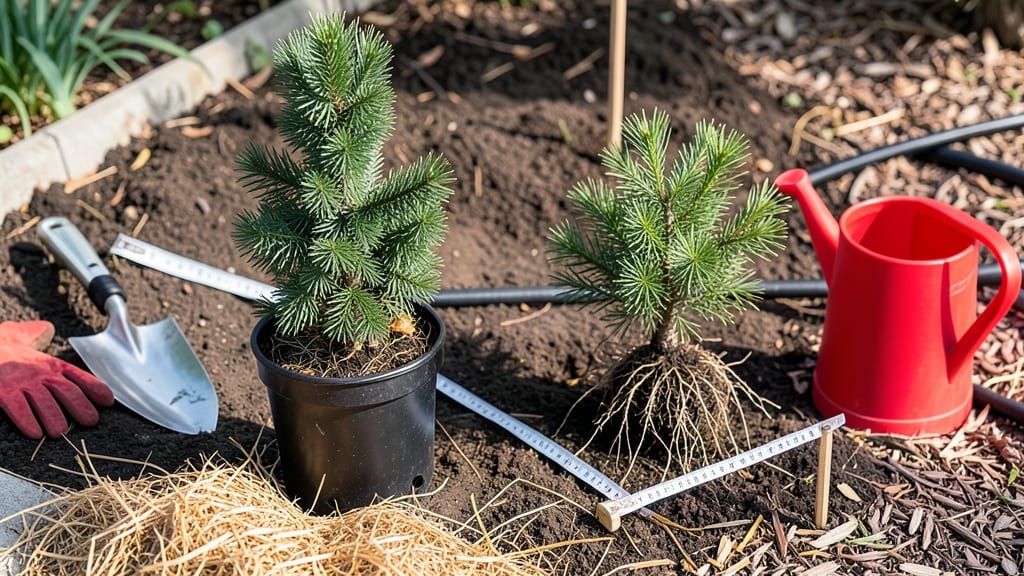
Planting arborvitae at the wrong time in Michigan can mean the difference between a thriving evergreen and one that struggles to survive your 5b-6b winters. The key to success lies in timing it right—whether you're working with bare-root seedlings or container-grown 🌲 plants.
Most gardeners in Michigan know spring and fall are the best seasons, but did you know the exact 4-6 weeks before your last frost is the sweet spot? This window gives your arborvitae time to establish roots before winter sets in.
In the Upper Peninsula, that might mean planting in early May, while southern Michigan gardeners can start as early as mid-April.
Container planting adds flexibility, but even then, you'll want to avoid extreme heat or cold. Whether you're prepping your garden bed or choosing a pot, understanding Michigan's frost dates is non-negotiable for long-term success.
Let's break down exactly when to plant for maximum growth and minimum stress on your new evergreen.
From soil prep to post-planting care, I'll walk you through every step to ensure your arborvitae takes root strong and grows into the lush, wind-resistant beauty you're after. Ready to get started? Let's dive in.
Michigan arborvitae planting timeline: weeks before last frost for optimal survival
Michigan’s USDA hardiness zones 5b-6b create a narrow window for planting arborvitae—too early and frost kills tender roots, too late and winter stress sets in.
The ideal planting window spans 4-6 weeks before your region’s last frost date, typically mid-April to early May for spring or mid-September to early October for fall.
For most of Michigan, this means planting between April 15 and May 15 in spring or September 15 and October 15 in fall. The Upper Peninsula (Zone 5b) has a 2-week earlier window than the Lower Peninsula (Zone 6a-6b), so adjust accordingly.
Use the Michigan State University Gardening Calendar to pinpoint your exact last frost date. For example, Detroit’s average last frost is April 20, while Marquette’s is May 5. Planting 4 weeks before these dates ensures roots establish before winter.
Arborvitae thrive when soil temperatures reach 45°F (7°C)—a soil thermometer helps gauge readiness. In southern Michigan, this happens by early April, while northern regions may wait until mid-May.
Fall planting is riskier but works if you plant 6-8 weeks before first frost (typically by October 1). This gives roots time to harden before winter. Avoid planting in November or December—new roots won’t survive Michigan’s -10°F (-23°C) winters.
Container-grown arborvitae can be planted 1-2 weeks earlier than bare-root varieties since their roots are less vulnerable to cold. However, bare-root seedlings need warmer soil (50°F/10°C+) for best survival.
| Region | USDA Zone | Spring Planting Window | Fall Planting Window |
|---|---|---|---|
| Southern Michigan (Detroit, Kalamazoo) | 6a-6b | April 15 - May 15 | September 15 - October 10 |
| Central Michigan (Lansing, Grand Rapids) | 5b-6a | April 20 - May 20 | September 10 - October 5 |
| Upper Peninsula (Marquette, Houghton) | 5b | May 1 - May 15 | September 1 - September 25 |
If you miss the spring window, fall planting is your second chance—but only if you can plant 6 weeks before first frost. For example, in Traverse City (Zone 6a), aim for September 15 to ensure roots harden before October 15’s average first frost.
For container planting, extend your window by 2-3 weeks since potted roots are insulated. However, avoid planting in extreme heat (>90°F/32°C), which stresses young trees. Early morning or late afternoon planting minimizes shock.
Pro tip: Acclimate container-grown arborvitae for 3-5 days before planting by placing them in partial shade outdoors. This hardens them off for Michigan’s temperature swings.
Always check local weather forecasts for unexpected late frosts—especially in Michigan’s Great Lakes regions, where lake-effect snow can delay spring or bring early winter.
Michigan arborvitae planting timeline: weeks before last frost for optimal survival
Michigan's USDA hardiness zones 5b-6b create a unique challenge for arborvitae planting—getting the timing wrong can mean weak root establishment or winter kill.
The 4-6 week window before your last frost date is your sweet spot, but Michigan's regional differences mean Upper Peninsula gardeners should wait longer than those in southern Michigan.
For most of southern Michigan, aim to plant between mid-April and early May for spring planting, while northern Michigan gardeners should wait until late April to mid-May when soil temperatures consistently stay above 45°F.
Fall planting works best from mid-September to early October, giving roots time to establish before winter dormancy.
🌱Pro Tip: Use your local Michigan State University Extension frost date maps to pinpoint your exact last frost date—this varies by 1-2 weeks across the state!
| Region | Spring Planting Window | Fall Planting Window | Key Consideration |
|---|---|---|---|
| Southern Michigan (Zones 6a-6b) | Mid-April to early May | Mid-September to late September | Soil warms faster; plant earlier |
| Central Michigan (Zones 5b-6a) | Late April to mid-May | Early to mid-September | Moderate climate; balance timing |
| Upper Peninsula (Zones 4b-5a) | Late May to early June | Late August to early September | Cooler soils; delay planting |
Container-grown arborvitae offer more flexibility, allowing you to plant 1-2 weeks earlier than bare-root seedlings. This is because their root systems are already established, giving them a head start in cooler soils. However, avoid planting when ground temperatures are still below 45°F—this can cause root shock.
🌲Critical Note: If you're planting in clay-heavy Michigan soils, amend with compost or sand to improve drainage. Poor drainage is the #1 killer of newly planted arborvitae in our state!
For container planting specifically, aim to transplant when soil temperatures are consistently above 50°F—this typically aligns with late April to May in most of Michigan. Container plants can handle slightly cooler soils better than bare-root, but don't push your luck with early planting dates.