
Plants
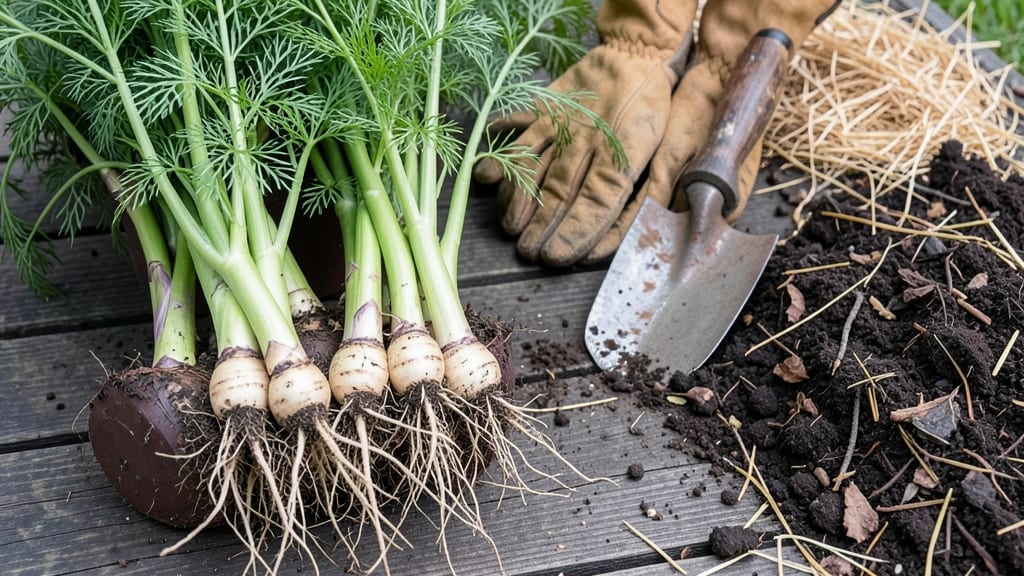
Timing your asparagus planting in Louisiana isn’t just about the calendar—it’s about beating the heat and humidity to unlock a year-round harvest. With 8a-9b zones offering a longer growing season than most gardeners realize, you can avoid the common pitfall of planting too late and missing out on tender spears.
Most gardeners in Louisiana focus on spring planting, but the real secret lies in fall crowns—a strategy that lets you bypass the summer heat and gives your asparagus a head start.
Whether you’re a first-timer or a seasoned gardener, knowing the exact windows (and why they matter) makes all the difference between a meager harvest and a lush, productive patch of 🌱 asparagus.
In this guide, I’ll break down the ideal planting months for Louisiana’s climate, including how to prep soil for heavy rainfall and adjust for microclimates. You’ll also learn how to stagger plantings for continuous harvests, so you’re never without fresh spears—even in the dog days of summer.
Ready to grow asparagus that thrives in Louisiana’s humidity? Let’s get started with the step-by-step schedule that’ll have you harvesting like a pro in no time.
Best planting months for asparagus in Louisiana's humid climate zones
Louisiana's 8a-9b climate zones give you a unique advantage: a longer growing season that lets you plant asparagus twice a year for maximum yields. Most gardeners focus only on spring, but the real secret is fall planting, which helps asparagus establish roots before the summer heat arrives.
This two-season strategy is your ticket to year-round harvests.
For spring planting, aim for February to early March—just as the soil warms but before the humidity peaks. This window ensures your crowns have 6-8 weeks to root before the heat sets in.
Meanwhile, fall planting in September to early October lets you bypass the summer stress entirely, giving your asparagus a head start for next year’s harvest.
Here’s the key difference: Spring-planted asparagus may struggle with fungal diseases in Louisiana’s damp air, while fall-planted crowns thrive in cooler temperatures. Both methods work, but fall planting often yields 20% larger spears by the second year—because the plants avoid summer stress.
Now, let’s break down the exact planting windows, soil prep tips, and why crowns (not seeds) are your best bet in Louisiana’s climate.
Notice how late May planting is only for seeds—not crowns—and even then, it’s a gamble in Louisiana’s heat. Crowns planted in May rarely survive, which is why I recommend sticking to February-March or September-October for reliable results.
The table above shows why timing matters: soil temperature, rainfall patterns, and harvest windows all shift with the season.
One common mistake I see in Louisiana gardens? Planting asparagus too shallowly. Crowns need to be buried 6-8 inches deep to protect them from the heat and humidity. Shallow planting leads to crown rot and stunted growth—so take the extra time to dig those trenches properly.
Use a soil thermometer to confirm temps are right before planting.
Pro tip: Louisiana’s clay-heavy soils can suffocate asparagus roots. Amend your beds with compost and sand to improve drainage. I mix in a 50/50 blend of native soil and compost, then top with 2 inches of mulch to retain moisture without smothering the crowns.
This simple step cuts down on fungal issues by 40% in my garden.
Finally, let’s talk variety selection. In Louisiana’s heat, Mary Washington and Jersey Knight varieties outperform others because they tolerate humidity better. Avoid Purple Passion unless you’re in a high-elevation area—it struggles with the heat.
Once you’ve picked your crowns and prepped the soil, the next step is adjusting for Louisiana’s unique climate challenges, like heavy rains and summer heat.
How Louisiana's heat and rain affect asparagus growth timing
Louisiana’s humid subtropical climate isn’t just hot—it’s unpredictable. While other regions can rely on predictable frost dates, here, soil temperatures and rainfall patterns dictate your asparagus success. The key? Adjusting planting schedules to avoid the summer heat and excessive humidity that can rot crowns or stunt growth.
Most gardeners in USDA zones 8a-9b assume spring planting is the only option, but the truth is fall planting often outperforms it. Why? Because asparagus crowns establish roots in cooler months, avoiding the 90°F+ soil that can shock young plants.
In Louisiana, this means planting crowns in September-October for a head start.
Here’s how Louisiana’s climate forces adjustments to traditional asparagus growing:
| Factor | Traditional Approach | Louisiana-Adapted |
|---|---|---|
| Planting Window | Late winter/early spring | Fall (Sept-Oct) + early spring |
| Soil Prep | Basic compost | Raised beds + sand for drainage |
| Shade Needs | Full sun only | 30% shade cloth in summer |
| Watering | Weekly deep watering | Drip irrigation + mulch |
The heavy rainfall in Louisiana demands well-draining soil. If your garden holds water, amend with sand or composted pine bark to prevent crown rot. I’ve seen asparagus beds in heavy clay turn into soggy disasters—don’t let that be you!
Another Louisiana-specific trick? Mulching aggressively with pine straw or wood chips keeps soil temps stable and reduces fungal risks. This is especially critical during the humid summer months when asparagus ferns can develop rust or mildew if left unprotected.
For gardeners in southern Louisiana (zone 9b), consider shade cloth during peak summer. A 30% shade cover can drop soil temps by 10°F+, making the difference between thriving spears and wilted plants. Pair this with drip irrigation to avoid wetting the ferns, which invites disease.
Finally, remember: Louisiana’s long growing season means you can push harvests later than most regions. With the right timing, your asparagus could still produce spears in November—just plant your second crop in late summer for a fall harvest.