
Plants
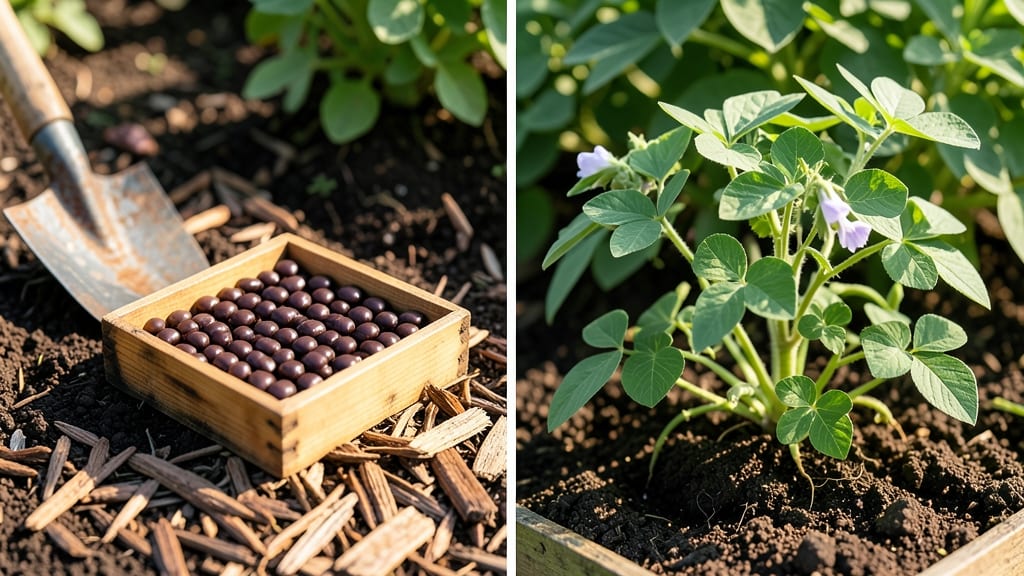
Planting beans in Maine at the wrong time can mean the difference between a bumper crop and a sad, frost-nipped failure. With our 5b-6b climate, timing is everything—too early, and a late frost will wipe out your 🌱 efforts; too late, and you’ll miss the sweet summer harvest window.
Most gardeners here wait until mid-May to early June, after the last frost date, but Maine’s unpredictable weather means you can’t just follow a calendar. Soil temperature matters just as much—beans need that ground to warm up to at least 60°F before they’ll germinate properly.
In this guide, I’ll break down the exact windows for planting bush vs. pole beans, plus the best varieties for Maine’s short growing season. Whether you’re a first-timer or a seasoned gardener, these tips will help you avoid common mistakes and maximize your harvest from July to September.
Ready to grow beans that thrive? Let’s get started with the timing secrets that work in Maine’s climate—no guesswork required.
Maine’s frost-free zones and best planting windows for beans
Maine’s USDA hardiness zones 5b-6b create unique challenges for gardeners, especially when planting heat-loving beans. The state’s last average frost dates vary dramatically—from May 10-15 in Southern Maine to May 25-30 in Northern Maine.
These differences mean your planting window could shift by two full weeks depending on where you live, making precise timing critical for success.
Beans thrive in warm soil (60°F+) and consistent temperatures above 50°F. In Maine, this typically aligns with mid-May to early June for most regions, but microclimates near coastlines or urban areas may allow earlier planting.
The key is waiting until nighttime temperatures stay above 55°F consistently, as even a light frost can kill young seedlings.
Bush beans (like Provider) are slightly more cold-tolerant than pole beans (like Kentucky Wonder), but neither should be planted until after the last frost. For maximum yield, aim to have beans flowering and setting pods by late June, giving them enough time to mature before Maine’s first frost in October.
Here’s the critical window for planting beans in Maine, broken down by region and variety type:
| Region | Last Frost Date | Ideal Planting Window | Soil Temp Requirement | Notes |
|---|---|---|---|---|
| Southern Maine (Portland, Kittery) | May 10-15 | Mid-May to early June | 60°F+ | Earliest planting; use row covers if late frost risk |
| Central Maine (Augusta, Waterville) | May 15-20 | Late May to mid-June | 60°F+ | Standard timing; monitor nighttime temps |
| Northern Maine (Bangor, Presque Isle) | May 25-30 | Late May to early June | 60°F+ | Latest planting; consider cold frames |
| All Regions (Succession Planting) | N/A | Every 2 weeks until July 15 | 60°F+ | Extend harvest with staggered plantings |
For pole beans, which take longer to mature (60-70 days), I recommend starting seeds indoors 2-3 weeks before your region’s last frost date.
This gives them a head start and ensures they’re ready to transplant when soil conditions are ideal. Bush beans, which mature faster (50-55 days), can often be direct-sown after the last frost without needing to start indoors.
One common mistake I see in Maine gardens is planting beans too early in hopes of a longer growing season. Young bean plants are extremely frost-sensitive—even a 28°F night can kill them.
Always check the 7-day forecast before planting, and consider using floating row covers for an extra layer of protection if late frosts are predicted.
If you’re in a coastal area, you might experience earlier soil warming due to the moderating effect of the ocean. In these cases, you can sometimes plant 1-2 weeks earlier than inland areas.
However, inland gardens—especially in higher elevations—often have colder soils and may need to wait until early June for safe planting.
For maximum productivity, aim to have your beans flowering by mid-July. This gives them enough time to produce pods before Maine’s first frost in October.
If you’re growing dwarf varieties like Blue Lake, you might squeeze in a late July planting for a fall harvest, but these will need row covers to protect them from early frosts.
Pro tip: Use a soil thermometer to confirm your soil has reached 60°F before planting. Cold soil delays germination and can lead to poor stands of seedlings. If your soil is
Top 5 bean varieties for Maine gardens and their ideal planting times
Maine’s short growing season means choosing the right bean varieties is just as important as timing. Some varieties thrive in cooler soils and mature quickly, while others need warmer conditions and longer summers.
Here are my top 5 bean picks for Maine gardens, ranked by cold tolerance and days to harvest.
For early planting (late April to mid-May), opt for cold-hardy varieties like ‘Provider’ bush beans—these tolerate soil temps as low as 50°F and mature in just 50-55 days. They’re perfect for gardeners in Southern Maine who want to beat the frost.
If you’re in Northern Maine or prefer pole beans, ‘Kentucky Wonder’ is a standout. Plant these after May 15 (when soil warms to 60°F) and expect a harvest in 60-65 days. Their vining habit saves space and produces until frost.
For a mid-season harvest (June to August), ‘Blue Lake’ green beans are my go-to. These bush beans mature in 55-60 days and handle Maine’s humidity well. Plant them in early June for best results, especially in cooler microclimates.
Don’t overlook dwarf varieties like ‘Mascotte’—ideal for containers or small spaces. They mature in 50 days and can be planted as late as July for a fall harvest. Their compact size makes them great for balcony gardens or urban plots.
For late-season planting (July-August), try ‘Romano’ beans. These heat-tolerant varieties thrive in warmer soil and produce until early October if planted by July 1. Their long pods are perfect for fresh eating or drying.
Pro tip: Always soak seeds overnight before planting to speed up germination—especially crucial in Maine’s cooler soils. And remember, pole beans need trellises (install them at planting time to avoid root disturbance).