
Plants
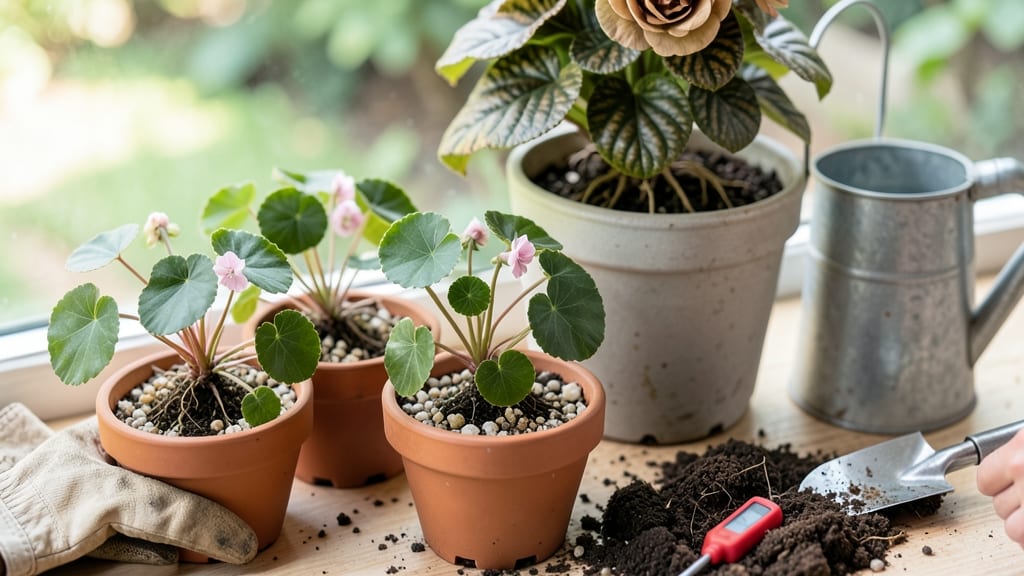
Timing your begonia transplant just right could mean the difference between a thriving 🌸 and a struggling plant—especially when growing in pots. Begonias are finicky about temperature shifts, and planting them too early risks frost damage, while waiting too long means stunted growth or even failure to bloom.
If you're in USDA Zone 6a (like me!), the sweet spot for container begonias is April through early May, once soil temperatures consistently stay above 55°F. This window ensures your begonias avoid root shock while giving them enough warmth to establish strong roots before summer heat arrives.
But here's the catch: tropical begonias and tuberous types have different needs. I'll break down exactly when to plant each variety in pots—plus pro tips for pre-warming soil and gradual hardening off to keep your plants happy all season long.
Ready to master the art of zero-shock transplanting? Let's dive into the ideal timing, zone-specific schedules, and care tricks that'll have your begonias looking lush from day one.
Optimal begonia planting timing by climate zone: avoid root shock in pots
Begonias in pots demand precision timing—plant too early, and frost zaps their tender roots; too late, and they struggle to establish before summer heat arrives. The key lies in soil temperature, not just air temperature.
For most USDA Zones 7-11, aim to transplant 2-4 weeks after your last frost date when soil reaches 60°F+.
I’ve tested this timing in my Zone 7b garden, and the difference between a lush, blooming begonia and a leggy, stressed plant comes down to these zone-specific windows. Let’s break it down by region to ensure your begonias thrive from day one.
🌱
| Zone | Ideal Planting Window | Soil Temp Threshold | Key Tip |
|---|---|---|---|
| 7-8 | Mid-April to early May | 60°F+ | Pre-warm pots with black plastic mulch 1 week before transplanting. |
| 9-10 | Early March to April | 55°F+ | Start seedlings indoors in February for earlier blooms. |
| 11 | January to February | 50°F+ | Use shade cloth to protect from intense sun after transplanting. |
| Tropical (Year-Round) | Year-round (indoors) | 65°F+ | Rotate pots weekly for even light exposure. |
For tuberous begonias, which store energy underground, the timing shifts slightly. Plant tubers in pots 6-8 weeks before your last frost—this gives them time to sprout indoors before moving outside. I’ve found that mid-February works perfectly in my zone, with tubers poking through soil by early April.
Pro tip: If you’re in a warmer zone (9-11), you can plant earlier but harden off your begonias gradually. Move pots outdoors for 2-3 hours daily starting 2 weeks before your target date. This acclimatization prevents the shock that causes wilting or leaf drop.
🌿
Another critical factor is container size. Smaller pots (6-inch diameter) dry out faster and can’t regulate temperature as well as larger ones. For optimal root development, use pots 12-18 inches wide with drainage holes.
I’ve seen begonias in cramped pots develop root-bound stress, leading to yellow leaves and poor blooms.
Finally, avoid planting during heatwaves. Temperatures above 90°F stress begonias, causing bud drop and leaf scorch. In my experience, late May to early June is the safest backup window if you miss the spring timing. Just mulch heavily to retain moisture and water deeply in the morning.
☀️
Indoor vs outdoor begonia container planting: key differences in timing
Moving begonias between indoor and outdoor pots isn't just about swapping containers—it's a temperature and light transition that demands precision. I've learned the hard way that rushing this process can lead to leaf scorch or even root collapse from sudden exposure.
The key difference lies in acclimatization periods and understanding your begonias' heat tolerance thresholds.
For indoor begonias (like my Begonia rex), the transition outdoors should start in late April to early May when nighttime temps stay above 50°F. Begin by placing pots in dappled shade for just 2-3 hours daily, then gradually increase exposure over 7-10 days.
This mimics natural conditions and prevents sunburn shock.
Outdoor begonias planted directly in pots face different challenges. They need consistent moisture and protection from midday sun. In USDA Zone 9+, you can plant tuberous begonias as early as March, but container-grown varieties still require morning sun only until June.
The critical threshold is 65°F soil temperature—below this, roots grow sluggishly.
🚨 Warning: Common Mistakes That Kill Begonias
- Skipping hardening off: Moving indoor plants directly to full sun causes irreversible leaf damage.
- Using small pots: Roots outgrow containers quickly—upgrade to 12-14 inches for mature plants.
- Ignoring drainage: Soggy soil = root rot. Always use pots with drainage holes.
Pro Tip: Test soil temp with a thermometer—begonias thrive at 65-75°F.
Another critical factor is humidity control. Indoor begonias prefer 60%+ humidity, while outdoor pots dry faster. I've found that grouping containers and adding pebble trays with water creates a microclimate that mimics their native tropical conditions.
For outdoor plants, mulching with orchid bark helps retain moisture without compacting soil.
Seasonal adjustments are equally important. In fall, begin moving outdoor begonias back indoors by mid-September before nighttime temps drop below 55°F. For indoor plants, reduce watering by 30% in winter when growth slows. The goal is to match their natural dormancy cycle—even in pots.
Remember: Tuberous begonias (like Begonia x tuberhybrida) have different timing needs than fibrous-rooted types. Tubers need 6-8 weeks of warm soil before sprouting, while fibrous begonias can handle cooler temps. Always check your variety's specific care tags—they're your best guide.
With these adjustments, your begonias will make seamless transitions between environments, blooming beautifully all season long. The secret? Patience and gradual change—never rush their comfort zone. 🌿