
Plants
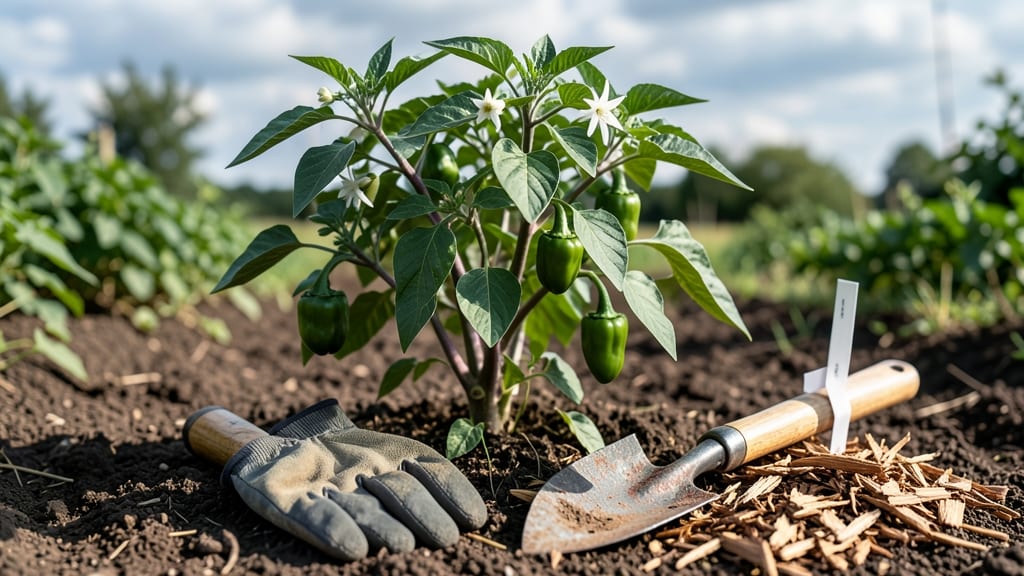
Timing your Bell Pepper 🌶️ planting in Kansas isn’t just about avoiding frost—it’s about giving these heat-loving plants the perfect window to thrive before summer’s scorching temperatures take over.
In USDA Zones 5b-7a, waiting until after the last frost (typically around April 15) ensures your seedlings aren’t shocked by chilly nights, but rushing them too soon can leave them struggling when temps climb above 90°F.
The key? Planting between April 15 and May 15 balances the risk of frost with the need for warm soil—ideally hitting that 60°F mark.
Whether you’re starting seeds indoors or transplanting young plants, understanding Kansas’ unique climate quirks—like sudden heatwaves or unpredictable spring weather—will make or break your harvest.
I’ll walk you through the exact steps to time it right, from soil prep to heat management tricks that keep your peppers productive from July through October.
Skip the guesswork and learn how to turn your garden into a Bell Pepper 🌶️ powerhouse, even in Kansas’ unpredictable growing season. Let’s get those plants in the ground the smart way.
Kansas bell pepper planting dates: frost-free zones & last spring frost timing
Kansas spans USDA Hardiness Zones 5b-7a, meaning your last spring frost can vary wildly—from late March in southern cities like Wichita to mid-April in northern areas like Manhattan. For bell peppers, which cannot tolerate frost, timing is everything.
The optimal planting window in Kansas is between April 15 and May 15, but this shifts based on your exact location and whether you're starting seeds indoors or transplanting seedlings.
Bell peppers thrive in warm soil (60°F+) and need consistent temperatures above 50°F. Planting too early risks stunted growth or death, while waiting too late cuts your harvest window short. Let’s break down the frost-free timeline for Kansas cities and how to use it to your advantage.
🌱 Pro Tip: Use the 50°F soil temperature rule as your green light—wait until your soil thermometer confirms it’s reached this threshold before planting. In Kansas, this typically aligns with mid-to-late May for direct sowing, but earlier for transplants.
| Kansas City | Avg. Last Frost | Start Indoors | Transplant Outdoors | Direct Sow |
|---|---|---|---|---|
| Wichita (Zone 7a) | March 25 | March 1 | April 15-May 1 | May 10-15 |
| Topeka (Zone 6a) | April 10 | March 15 | April 20-May 5 | May 15-20 |
| Manhattan (Zone 5b) | April 15 | March 10 | May 1-15 | May 25-June 1 |
| Hays (Zone 6b) | April 5 | March 1 | April 25-May 10 | May 15-20 |
*Timing based on 30-year averages; check local forecasts for adjustments.
If you’re starting seeds indoors, begin 8-10 weeks before your last frost date—this gives seedlings enough time to grow 4-6 inches tall before transplanting. For example, in Manhattan (Zone 5b), that means starting seeds around March 10 for a May 1 transplant.
Harden off seedlings by placing them outdoors for 6-8 hours daily for 1 week before transplanting.
For direct sowing, wait until soil temperatures consistently stay above 60°F. In Kansas, this usually happens by mid-to-late May, but use a soil thermometer to confirm.
Plant seeds ½ inch deep and 1 inch apart, thinning to 12-18 inches apart once seedlings emerge. Thin carefully—bell peppers hate being disturbed.
Extending your season with row covers or black plastic mulch can push your planting window 2-3 weeks earlier. Mulch warms soil faster and suppresses weeds, while row covers protect young plants from late frosts. Just remove covers when plants are 6 inches tall to avoid overheating.
Missed the spring window? Don’t despair—Kansas’ fall planting can yield a second harvest. Start seeds indoors July 15-August 1 for a September transplant, aiming to harvest before the first frost (October 15). Choose fast-maturing varieties (like ‘Early California Wonder’) for this approach.
Heat tolerance requirements: how to avoid Kansas summer stress for bell peppers
Kansas summers can push temperatures above 90°F (32°C), which stresses bell peppers and reduces yields. These plants thrive in 70-85°F (21-29°C) soil and air temperatures, making heat management a critical skill for Kansas gardeners.
Without proper care, peppers may drop flowers or fruits, or develop sun scorch on their skins.
To extend your growing season, focus on three key strategies: soil temperature control, shade solutions, and irrigation timing. Start by testing your soil—bell peppers need soil temps above 60°F (15°C) to germinate and grow well.
Use a soil thermometer to monitor conditions, especially in early spring or late fall plantings.
🌶️
Temperatures above 90°F (32°C) cause:
- Blossom drop (flowers fall off)
- Fruit scarring (peppers develop white patches)
- Reduced yield (smaller, misshapen peppers)
Shade cloth is your best friend during Kansas summers. A 30-50% shade cloth reduces heat stress while still allowing enough light for photosynthesis. Install it over your pepper plants in late afternoon when the sun is strongest.
Pair this with drip irrigation—watering directly at the base keeps foliage dry and prevents fungal issues like powdery mildew.
Watering deeply in the early morning (6-8 AM) ensures roots absorb moisture before the heat of the day. Avoid overhead watering, which can lead to leaf burn.
Mulch with straw or wood chips to retain soil moisture and keep roots cool. For container-grown peppers, use self-watering pots to maintain consistent moisture levels.
Companion planting also helps mitigate heat stress. Pair bell peppers with basil, marigolds, or nasturtiums, which improve air circulation and deter pests. Avoid planting near fennel or beans, as they can compete for nutrients or attract pests that harm peppers.
Rotate crops yearly to prevent soil depletion and disease buildup.
If you're planting in late summer for a fall harvest, choose heat-tolerant varieties like ‘Jupiter’ or ‘Carolina Wonder’ and provide extra shade. Harvest peppers regularly to encourage continuous production, and watch for signs of stress like yellowing leaves or wilting. Adjust care immediately if you spot these symptoms.